
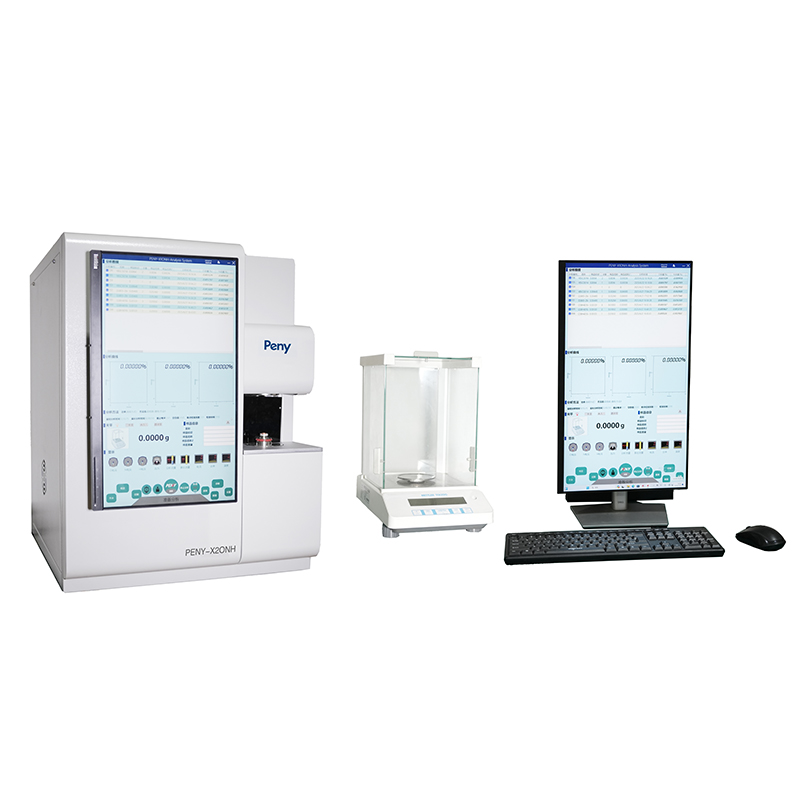
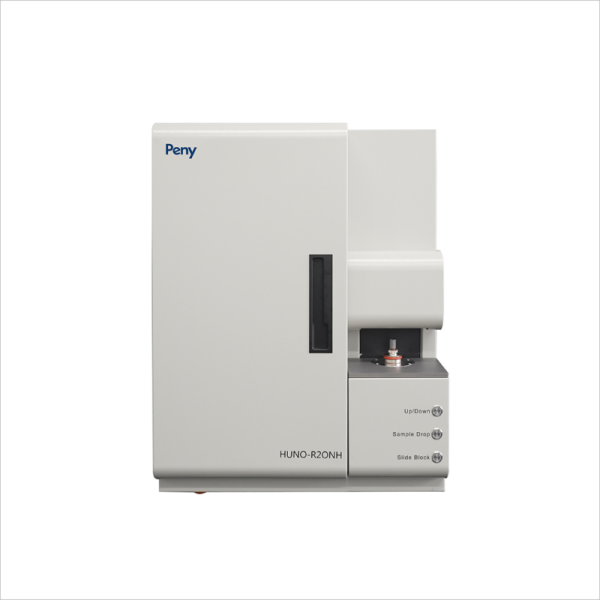
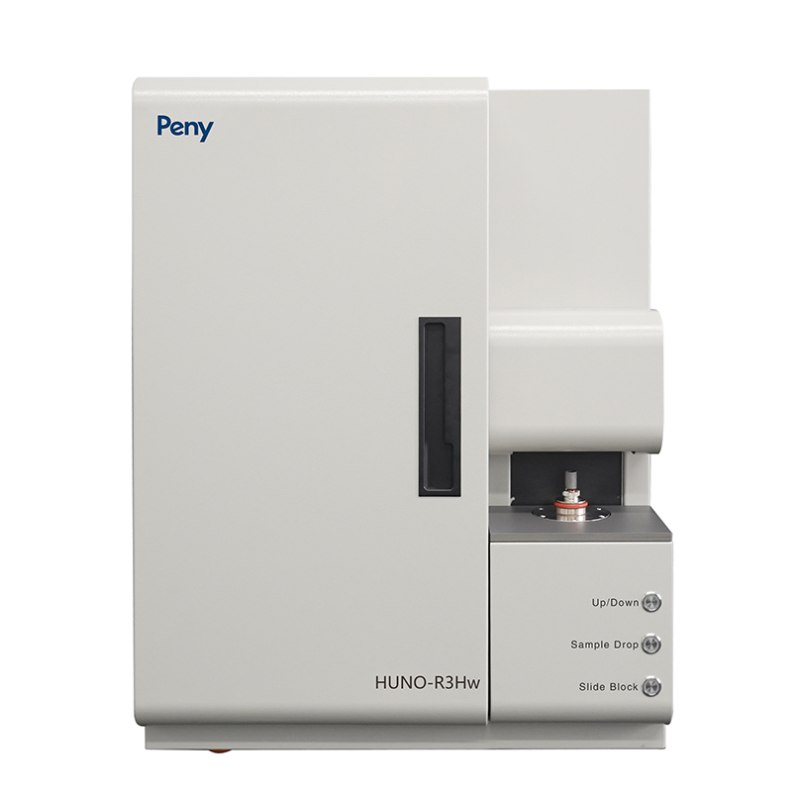
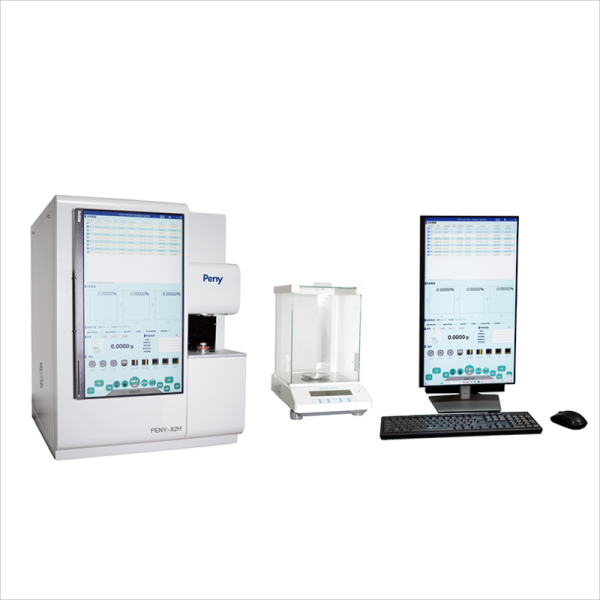
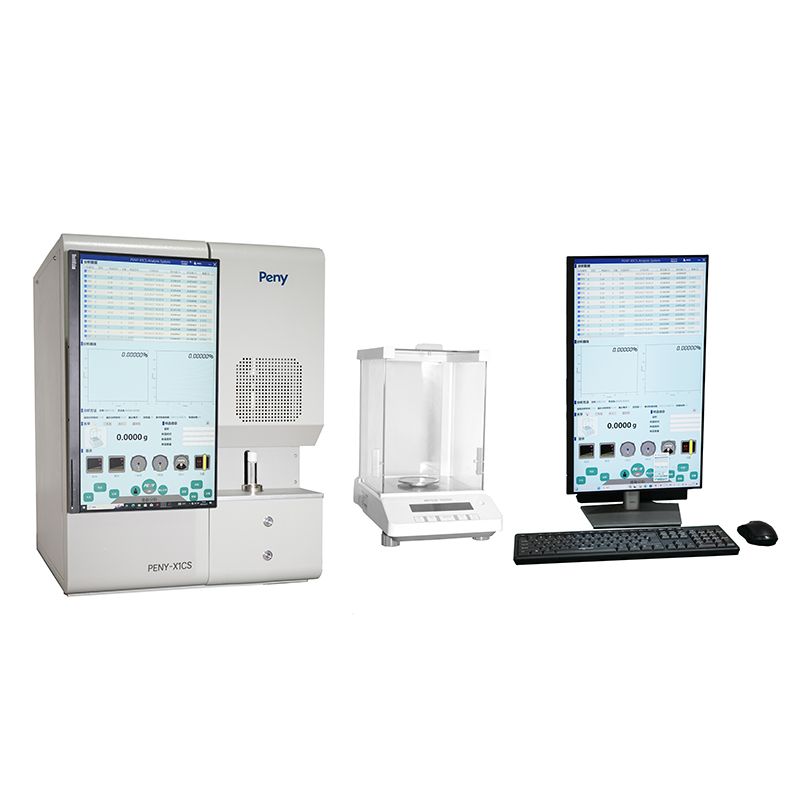
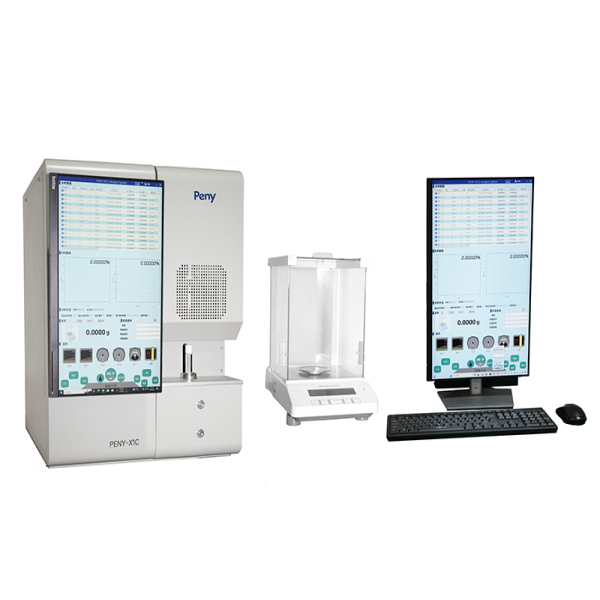
Imagine you're a quality control engineer at a mid-sized aluminum foundry in Ohio. Your direct reading spectrometer has been your trusted workhorse for years, but lately, you've noticed something troubling: the results for trace elements like silicon and magnesium are drifting. You rerun the samples, clean the electrodes, even replace the argon—still inconsistent. The frustration mounts as you realize a batch of aerospace-grade alloy might be rejected due to suspected contamination. This is the reality for many labs, and the root cause often lies in calibration drift. But what if your spectrometer could deliver unwavering accuracy? Let's explore why a calibration upgrade might be the game-changer you need.
Pain Point 1: Inconsistent Results and Scrapped Batches
In high-volume production, even a 0.01% deviation in alloy composition can lead to catastrophic failures. For instance, a European automotive supplier reported that 3% of their gearbox components failed tensile tests due to undetected manganese fluctuations. The cost? Over $500,000 in scrap and rework per year. The root cause? Their direct reading spectrometer's calibration curve had shifted due to electrode wear and temperature variations. Operators were unaware until the damage was done.
Pain Point 2: Frequent Downtime for Recalibration
Traditional calibration requires running multiple standards, often taking 30-45 minutes per shift. A steel mill in South Korea lost 2 hours per week on recalibration, translating to $120,000 in lost production annually. Worse, the process is prone to human error—mislabeling standards or incorrect drift correction can introduce new errors.
Pain Point 3: Compliance Risks with International Standards
ASTM E415 and ISO 17025 demand rigorous calibration traceability. A UK-based metal recycler faced a failed audit when their spectrometer's calibration records showed gaps during a critical batch of copper alloys. The result: a temporary suspension of their export license and a $200,000 fine.
Solution 1: Automated Drift Correction with Smart Calibration
Peny Scientific Instruments (Nantong) Co., Ltd. has developed a patented algorithm that continuously monitors key parameters—electrode gap, argon flow, and temperature—and adjusts the calibration curve in real time. This reduces drift by 80% and eliminates the need for daily manual recalibration. For the Ohio foundry, implementing this upgrade cut their scrap rate from 2.5% to 0.3% within three months.
Solution 2: Multi-Matrix Calibration Standards
Instead of relying on a single set of standards, the upgraded system uses a library of over 50 certified reference materials (CRMs) spanning aluminum, steel, copper, and nickel alloys. The spectrometer automatically selects the best-fit calibration for each sample matrix. A German tool manufacturer reduced recalibration time by 70% and improved accuracy for high-carbon steel by 15%.
Solution 3: Cloud-Based Calibration Monitoring
With IoT connectivity, calibration data is uploaded to a secure cloud platform. Auditors can access real-time drift charts and compliance reports. The UK recycler now passes audits with zero findings, and their calibration costs dropped by 40%.
Customer Case Studies
1. AeroTech Inc. (Wichita, Kansas, USA)
Aircraft parts manufacturer upgraded their direct reading spectrometer with Peny's advanced calibration. Result: 99.8% first-pass yield on titanium alloys, saving $1.2M annually. Quality manager: "The upgrade paid for itself in three months. Our auditors are impressed."
2. Stahlwerke GmbH (Duisburg, Germany)
Steel producer reduced calibration downtime from 4 hours/week to 30 minutes. Annual savings: €180,000. Lab director: "The automated drift correction is a lifesaver for our night shifts."
3. GreenMet Recycling (Birmingham, UK)
Non-ferrous recycler improved copper alloy purity by 0.05%, enabling premium pricing. Revenue increase: £250,000/year. Operations head: "Our export compliance is now seamless."
4. Kobe Precision (Osaka, Japan)
Electronics component maker achieved 0.1% RSD for lead-free solder analysis. Yield improvement: 5%. Chief engineer: "The multi-matrix calibration is incredibly versatile."
5. Dubai Steel LLC (Dubai, UAE)
Construction steel supplier passed ISO 17025 audit with zero non-conformities. Quality manager: "The cloud monitoring gave our auditors confidence."
Applications and Partnerships
Peny's calibration upgrade is deployed in automotive (e.g., BMW supply chain), aerospace (Boeing suppliers), and metal recycling (Sims Metal Management). Key partnerships include ASTM International for standard development and Bureau Veritas for certification support.
FAQ
Q: How often should I recalibrate my direct reading spectrometer?
A: With traditional systems, daily. With Peny's upgrade, weekly verification suffices, as the system auto-corrects drift. However, full recalibration is recommended monthly per ASTM E415.
Q: Can I retrofit the upgrade to existing spectrometers?
A: Yes, it's compatible with most major brands (e.g., Bruker, Shimadzu, ARL). Installation takes 2-4 hours.
Q: What about trace elements like carbon and sulfur?
A: The upgrade includes specialized UV optics for sensitive detection down to 10 ppm for carbon and 5 ppm for sulfur, with calibration stability over 8 hours.
Q: How does the cloud calibration handle data security?
A: All data is encrypted (AES-256) and stored in ISO 27001-certified servers. You can also opt for on-premise storage.
Q: What is the ROI timeline?
A: Most customers see payback within 6-12 months through reduced scrap, lower labor, and fewer audits.
Conclusion
Calibration is not a routine task—it's the backbone of reliable metal analysis. By upgrading your direct reading spectrometer with Peny Scientific Instruments' advanced solutions, you can eliminate drift, reduce costs, and achieve compliance with confidence. Ready to transform your lab? Download our technical white paper "Next-Gen Calibration for Direct Reading Spectrometers" or contact our sales engineers for a personalized demo. Visit penyinstruments.com to get started.
