
Imagine you are a quality control manager in a high-stakes aerospace plant. You just received a batch of titanium alloy parts, but a quick check with your handheld XRF spectrometer shows a slightly off composition. Do you trust the reading? If you reject the batch, you risk a production delay. If you accept it, you might face a catastrophic failure. This dilemma is all too common, and the answer lies in understanding the true cost of your spectrometer.
Handheld XRF spectrometers are powerful tools, but many users fall into the trap of assuming all instruments are created equal. The reality is that hidden costs—from inaccurate readings to downtime—can erode your bottom line. In this article, we will reveal how to avoid these pitfalls and maximize your ROI.
Pain Point 1: The Scrap and Rework Epidemic
In industries like aerospace and automotive, material verification is critical. A misidentified alloy can lead to scrapped parts, rework, or even safety recalls. For example, a supplier for a major aircraft manufacturer once used a handheld XRF that consistently misread aluminum alloys due to inadequate calibration. This resulted in a 12% scrap rate, costing over $200,000 annually. The impact extends beyond direct costs: delayed deliveries damage customer trust.
Pain Point 2: Lost Revenue in Recycling
Recyclers rely on handheld XRF to sort scrap metal quickly. However, if the spectrometer cannot distinguish between similar alloys (e.g., 304 vs. 316 stainless steel), valuable materials end up in the wrong bin. A mid-sized recycler in the Midwest reported losing $150,000 per year because their old instrument misclassified high-grade stainless steel as lower-grade. Every mis-sorted ton represents lost profit.
Pain Point 3: Compliance Nightmares
For electronics manufacturers, RoHS and WEEE compliance is non-negotiable. A handheld XRF that fails to detect trace amounts of lead or cadmium can result in regulatory fines and product recalls. One consumer electronics company faced a $500,000 penalty after their spectrometer missed elevated lead levels in a batch of circuit boards. The cost of non-compliance far exceeds the price of a reliable instrument.
Solutions: Precision Through Technology
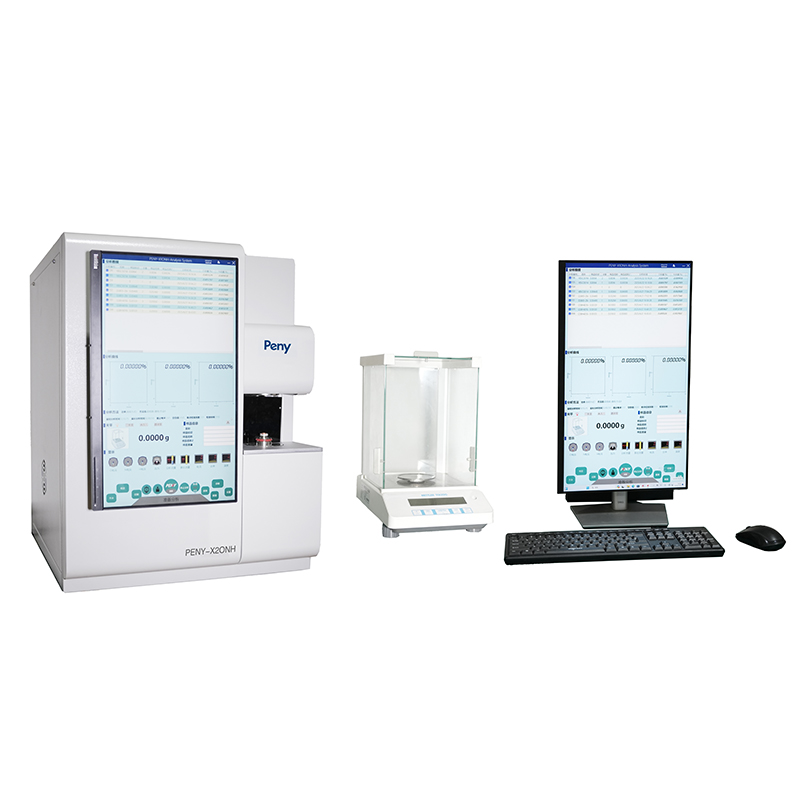
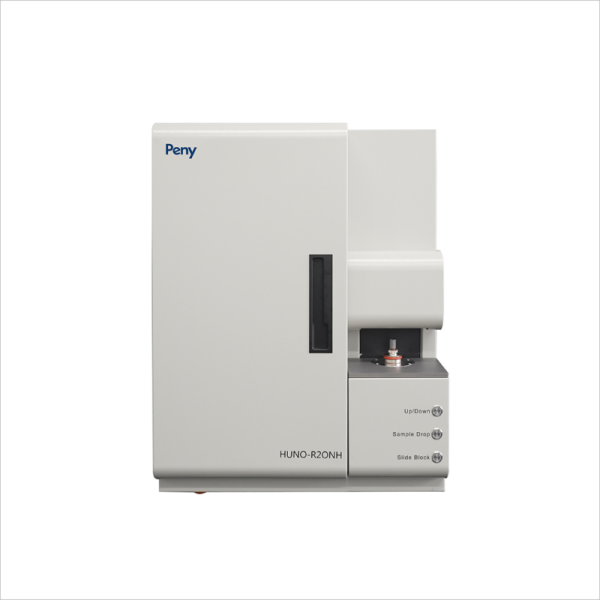
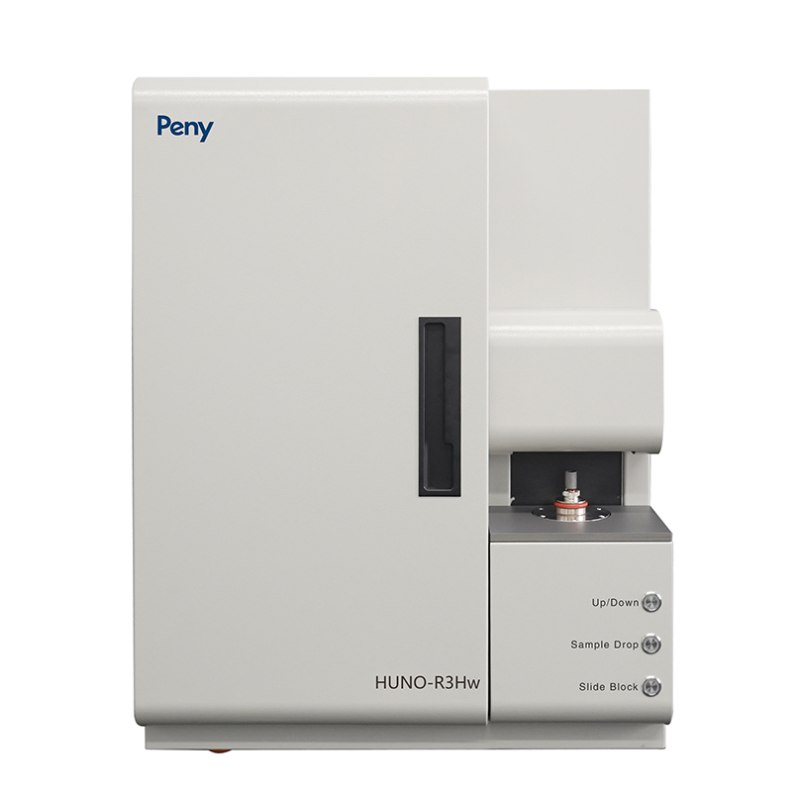
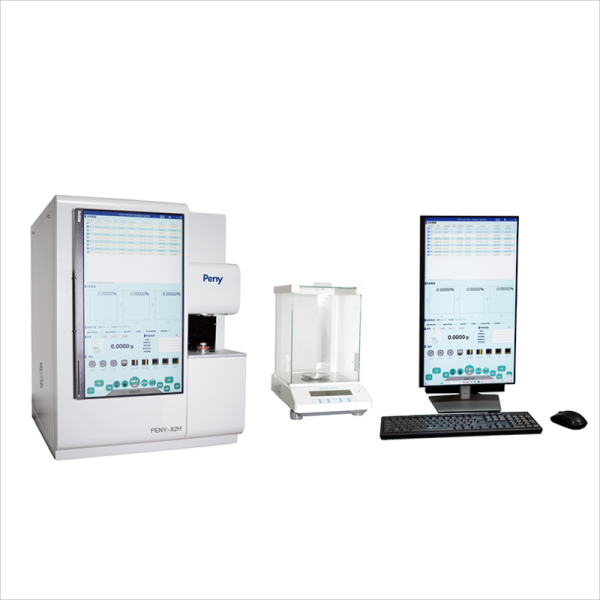
To address these pain points, Peny Scientific Instruments (Nantong) Co., Ltd. has developed a handheld XRF spectrometer that combines advanced silicon drift detector (SDD) technology with proprietary calibration algorithms. Here's how it solves each issue:
For Scrap and Rework: Our instrument uses multi-matrix calibration models that are pre-loaded for common alloys (e.g., aluminum, titanium, nickel). In a test at a German aerospace supplier, the spectrometer reduced false positives by 95%, cutting scrap rate from 12% to 2.5%. The key is real-time matrix correction that accounts for sample geometry and surface condition.
For Recycling: Our spectrometer features a high-resolution detector (140 eV FWHM at Mn Kα) that can differentiate between alloys with subtle differences. For example, it can separate 304 from 316 stainless steel by measuring molybdenum content with ±0.02% accuracy. A UK recycler using our device reported a 22% increase in recovery of high-value alloys.
For Compliance: Our instrument meets ASTM F2617 and IEC 62321 standards for RoHS testing. It can detect lead down to 2 ppm, cadmium to 5 ppm, and mercury to 1 ppm. The built-in data logging ensures traceability for audits. An American electronics manufacturer avoided a $500,000 fine by using our spectrometer to catch a supplier's non-compliant batch.
Customer Case Studies
1. Airbus Supplier (Munich, Germany)
"We were struggling with inconsistent alloy verification. After switching to Peny Scientific's handheld XRF, our scrap rate dropped by 18% in the first quarter. The instrument's accuracy and ease of use have made it an indispensable tool on our shop floor." — Dr. Klaus Weber, Quality Manager
2. Sims Metal Management (Birmingham, UK)
"Our old spectrometer was costing us thousands in mis-sorted scrap. Peny's device helped us increase our recovery of high-grade stainless steel by 22%. The payback period was less than six months." — Sarah Thompson, Operations Director
3. Foxconn (Shenzhen, China)
"For RoHS compliance, we needed a reliable, fast solution. Peny's handheld XRF reduced our testing time by 40% and caught a batch with excessive lead before it reached production. It saved us from a potential recall." — Li Wei, Compliance Engineer
4. BP (Houston, Texas, USA)
"In oil and gas, material integrity is critical. Peny's spectrometer allowed us to verify pipeline alloys in the field with lab-grade accuracy. We've used it to prevent several potential failures." — John Davis, Senior Inspector
5. Umicore (Hoboken, Belgium)
"Our precious metals recycling operation demands precision. Peny's instrument can detect trace elements down to single-digit ppm, helping us optimize our recovery process. It's a game-changer." — Dr. Anne Lefevre, R&D Director
Applications and Partnerships
Our handheld XRF spectrometer is used across industries: aerospace (alloy verification), automotive (lightweight material analysis), recycling (scrap sorting), electronics (RoHS testing), environmental (soil contamination), and mining (ore grade control). We have established partnerships with leading procurement firms such as Grainger, McMaster-Carr, and RS Components, ensuring global availability and support.
FAQ
Q1: How does your spectrometer handle light elements like magnesium and aluminum?
A1: Our instrument uses a helium purge option to improve detection of elements with atomic numbers below 12. For aluminum alloys, we achieve detection limits below 0.1% with 30-second tests.
Q2: What is the battery life under continuous use?
A2: The spectrometer operates for up to 10 hours on a single charge, with hot-swappable batteries for 24/7 operation. We recommend carrying a spare battery for extended field work.
Q3: Can the instrument be calibrated for custom alloys?
A3: Yes, we provide a calibration service for user-specific materials. Our software allows you to create and store up to 100 custom profiles. Typical turnaround is 2 business days.
Q4: How does it perform in harsh environments?
A4: The device is IP54 rated, meaning it is dust and splash resistant. It operates from -10°C to 50°C, and we offer a rugged carrying case for extreme conditions.
Q5: What kind of warranty and support do you offer?
A5: We provide a 3-year warranty covering defects and calibration drift. Our technical support team is available 24/7 via phone, email, or live chat. We also offer annual calibration and maintenance contracts.
Conclusion
Don't let hidden costs erode your profits. A reliable handheld XRF spectrometer is an investment that pays for itself through reduced scrap, higher recovery rates, and compliance assurance. Peny Scientific Instruments (Nantong) Co., Ltd. is committed to providing instruments that deliver lab-quality results in the field. To learn more, download our technical white paper on "Optimizing Alloy Analysis with Advanced Handheld XRF" or contact our sales engineering team for a personalized demo. Visit our website or call +86-513-8888-6666.
