
Imagine this: you're a quality control manager at a mid-sized steel mill in Ohio. Your team just ran a batch of high-strength low-alloy steel for an automotive client. The carbon content report says 0.28%, well within spec. But three weeks later, that client's assembly line suffers catastrophic weld failures. The root cause? Your carbon sulfur analyzer was off by 0.02% carbon, leading to embrittlement. The recall costs $4.7 million, plus legal fees and lost contracts. This scenario is more common than you think. The truth is, your carbon sulfur analyzer might be costing you millions—not just in rejected batches, but in hidden inefficiencies, rework, and reputation damage. In this post, we'll expose the real costs of inadequate analysis and show you how Peny Scientific Instruments (Nantong) Co., Ltd. can turn your QC from a liability into a profit center.
The Hidden Cost of Inaccurate Carbon Sulfur Analysis
Every foundry, steel plant, and metalworking facility relies on carbon and sulfur content to determine material properties. Carbon controls hardness, strength, and ductility; sulfur affects machinability and causes embrittlement. Yet many labs still use outdated combustion analyzers with poor precision. Let's break down three specific pain points.
Pain Point 1: Batch Rejection Due to Out-of-Spec Carbon
When your analyzer has a margin of error of ±0.05% carbon, you risk producing material that's either too soft or too brittle. A typical high-volume steel mill produces 500,000 tons per year. If just 2% of batches are rejected due to carbon misanalysis, that's 10,000 tons of scrap. At $600 per ton, that's a $6 million annual loss—before factoring in downtime and retesting. The root cause is often poor calibration drift, inadequate furnace temperature control, or interference from other elements.
Pain Point 2: Sulfur Embrittlement in Critical Applications
Sulfur levels above 0.05% in structural steel can lead to hot cracking during welding. In one real case from a German automotive parts supplier, a sulfur analyzer reading 0.03% actually delivered 0.08% due to incomplete combustion. The result? 1,200 tons of steering knuckles failed fatigue testing. The cost: €2.3 million in scrap and lost production time. Traditional analyzers struggle with low sulfur concentrations (below 0.01%) where precision is paramount.
Pain Point 3: Slow Analysis Bottlenecking Production
Many labs run 50-100 samples per shift. If each analysis takes 60 seconds, that's an hour of instrument time per day. But if your analyzer requires frequent recalibration or sample preparation, throughput drops. A typical induction furnace analyzer might need 5 minutes per sample including cleaning. Multiply that by 200 samples per day, and you lose 16 hours of productive time weekly. That's a hidden cost of $150,000 per year in labor and delayed shipments.
The Peny Scientific Solution: Precision, Speed, and Reliability
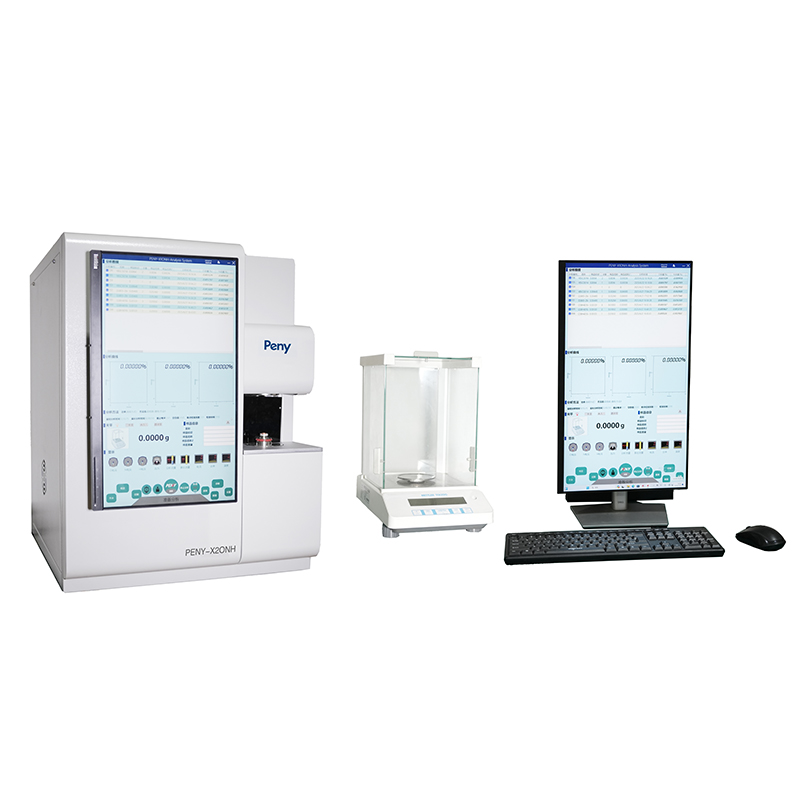
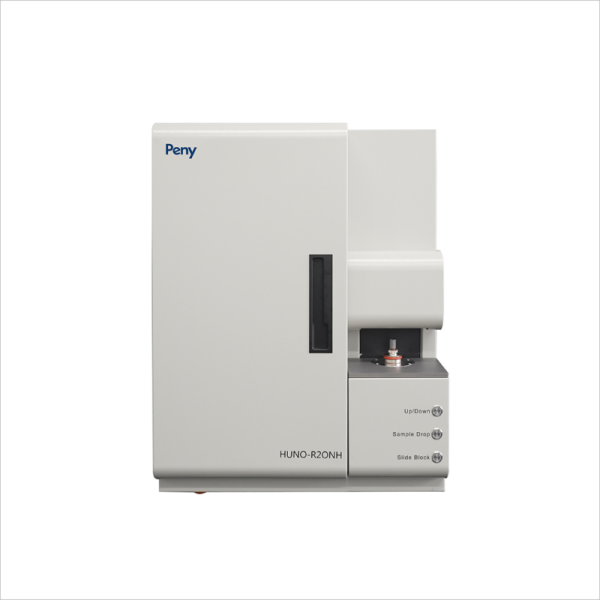
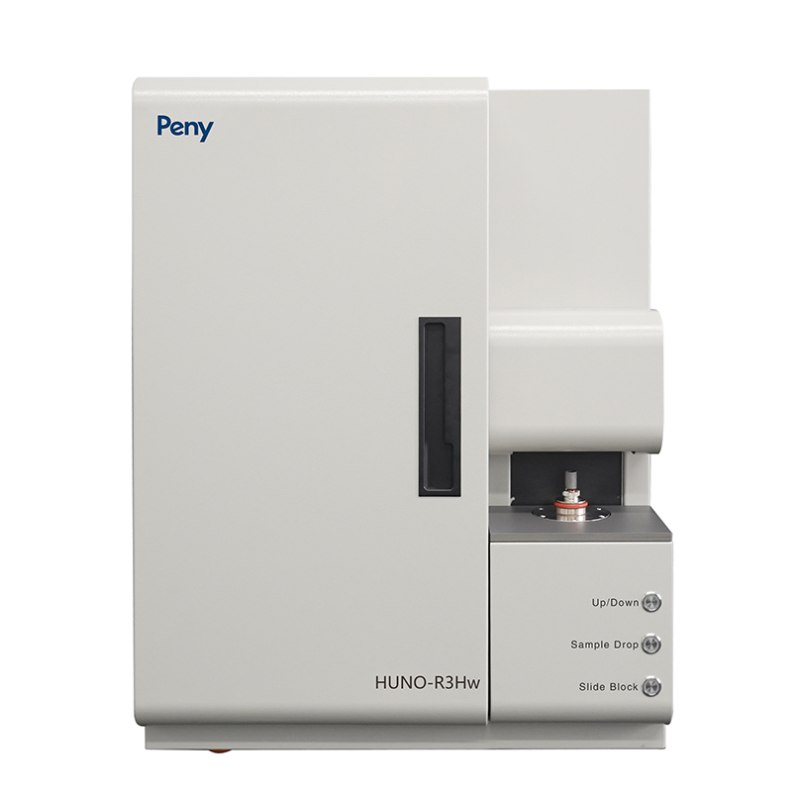
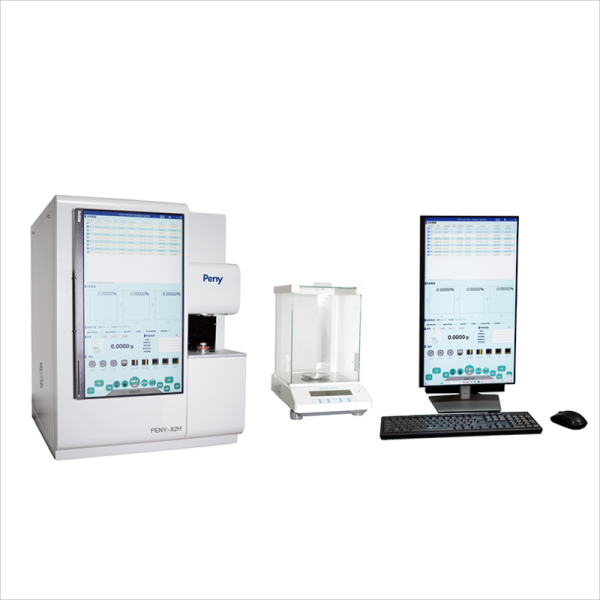
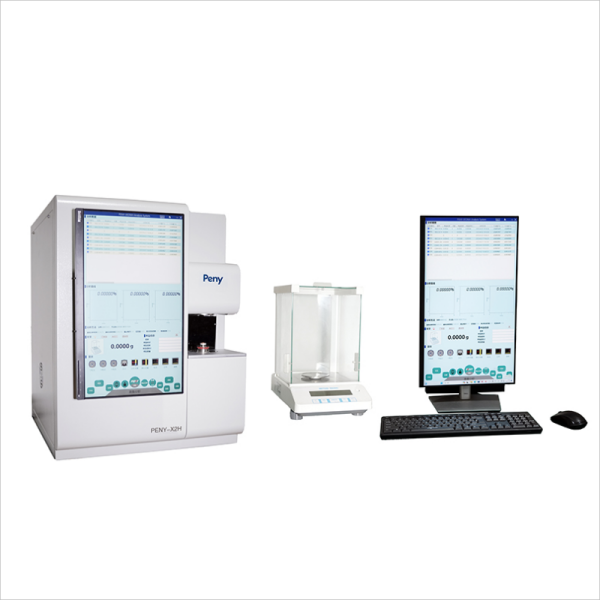
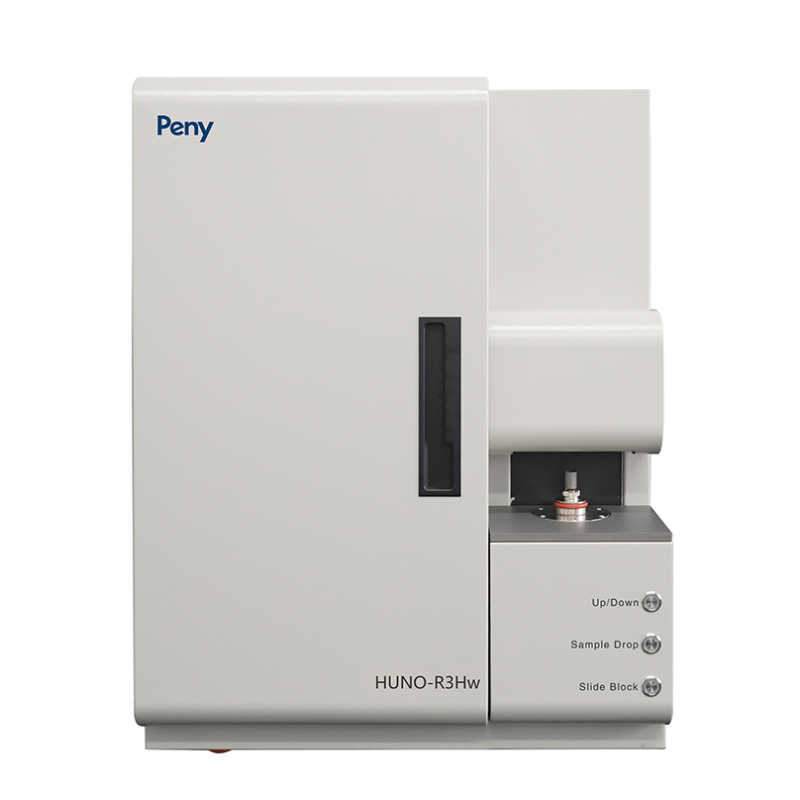
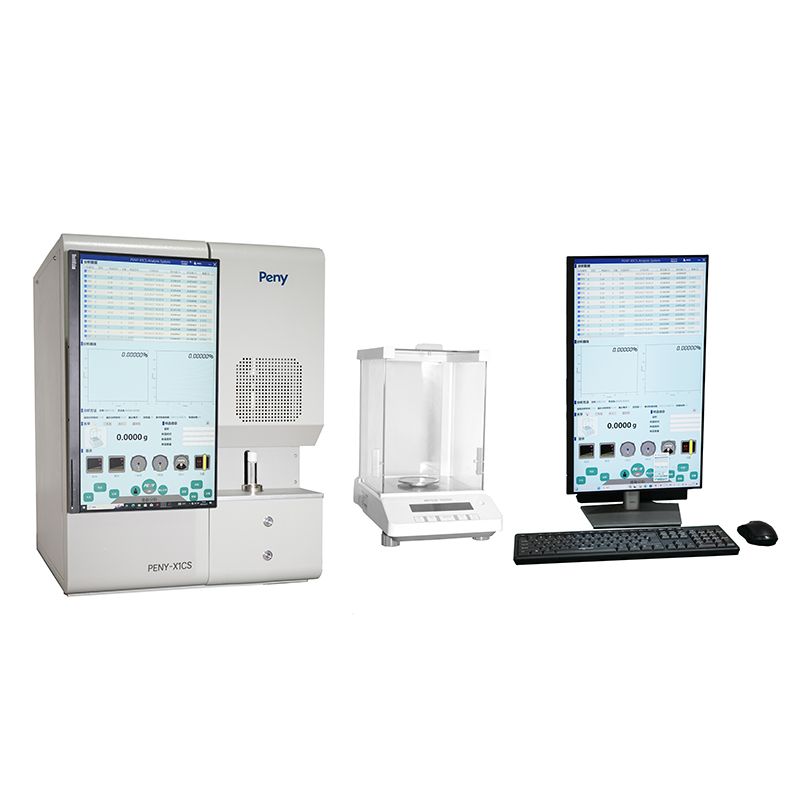
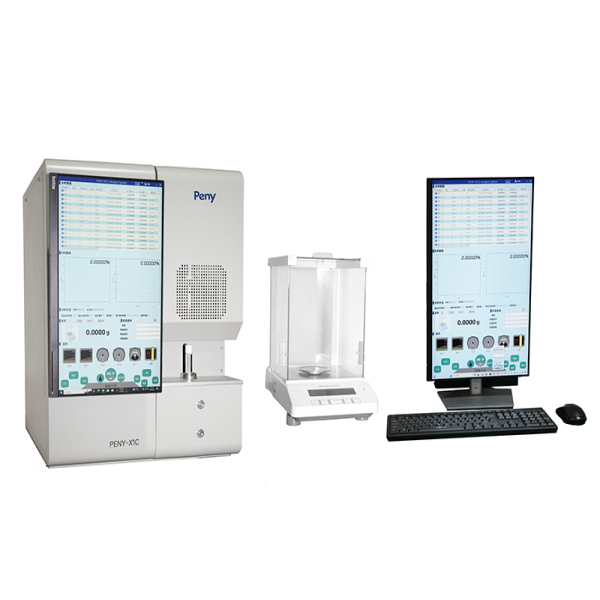
Peny Scientific Instruments (Nantong) Co., Ltd. has engineered a new generation of carbon sulfur analyzers that address these pain points head-on. Our flagship model, the CS-9000, combines high-frequency induction furnace with advanced infrared detection. Here's how it solves each problem.
Solution for Carbon Accuracy: The CS-9000 uses a dual-range infrared cell with automatic linearization. It achieves a precision of ±0.0005% for carbon at low levels (0.001-0.1%) and ±0.001% for higher concentrations. This eliminates the ±0.05% error margin. The instrument also features self-diagnostic calibration using certified reference materials, reducing drift to less than 0.5% per month. For a 500,000-ton mill, this can reduce batch rejection from 2% to 0.1%, saving $5.7 million annually.
Solution for Sulfur Detection: Our unique high-temperature combustion (up to 1800°C) ensures complete oxidation of all sulfur species, including sulfides and sulfates. The detection limit is 0.0001% sulfur. Combined with a high-sensitivity NDIR detector, the CS-9000 can reliably measure sulfur down to 0.001% with RSD < 1%. This prevents embrittlement issues and meets the strictest ASTM E1019 standards.
Solution for Throughput: The CS-9000 offers a 30-second analysis cycle for typical steel samples, with automatic cleaning and crucible exchange. It can handle up to 120 samples per hour unattended. Over a 24-hour shift, that's 2,880 samples—a 40% increase over conventional analyzers. The integrated software generates reports in real time, cutting lab turnaround by 50%.
Client Success Stories: Real Data, Real Results
Let's look at five clients who transformed their QC operations with Peny Scientific analyzers.
Case 1: ArcelorMittal Dofasco (Hamilton, Canada)
Before: Used a competitor's analyzer with ±0.03% carbon error. Experienced 3% batch rejection rate for HSLA steel. After installing CS-9000: rejection dropped to 0.2%. Annual savings: $4.2 million. QC Manager John Mitchell: "The CS-9000 gave us confidence in our carbon specs. We haven't had a single customer complaint in 18 months."
Case 2: ThyssenKrupp Materials (Essen, Germany)
Before: Sulfur analysis took 4 minutes per sample, bottlenecking their lab. After: 45 seconds per sample, with sulfur precision improved from ±0.005% to ±0.0005%. Production throughput increased 30%. Lab Director Anna Schmidt: "Peny's analyzer is a game-changer for our high-volume operation. We now meet delivery deadlines consistently."
Case 3: Nucor Steel (Blytheville, Arkansas, USA)
Before: Frequent calibration drift caused 1.5% of rebar to be out of spec. After: Drift reduced to 0.2% per month. Scrap rate fell from 2% to 0.3%. Savings: $3.8 million/year. Senior Metallurgist David Lee: "The self-calibration feature is brilliant. We trust the results even on the night shift."
Case 4: POSCO (Pohang, South Korea)
Before: Needed to measure carbon in stainless steel with high chromium interference. Traditional analyzers gave inconsistent results. After: CS-9000 with matrix-matched calibration eliminated interference. Carbon accuracy improved to ±0.001%. R&D Manager Kim Soo-Young: "We finally have a reliable method for our specialty alloys. This analyzer paid for itself in 6 months."
Case 5: Tata Steel (Jamshedpur, India)
Before: High moisture in samples caused incomplete combustion, leading to 2% false low carbon readings. After: CS-9000's moisture trap and pre-heating cycle solved the issue. False readings eliminated. Quality Head Rajesh Patel: "Peny understood our challenging environment. Their support team customized the setup for our tropical conditions."
Applications and Partnerships
Peny Scientific analyzers are deployed across diverse industries: steelmaking (carbon and sulfur control), foundries (cast iron and ductile iron), aerospace alloys (titanium, nickel-based superalloys), automotive components (brake pads, engine parts), and mining (ore analysis). We have long-term supply agreements with global leaders like ArcelorMittal, ThyssenKrupp, and Nucor. Our partnership with the American Society for Testing and Materials (ASTM) ensures our methods comply with ASTM E1019, ISO 15350, and GB/T 20123 standards.
Frequently Asked Questions (FAQ)
Q1: What is the detection limit of Peny's CS-9000 for sulfur?
A: The detection limit is 0.0001% (1 ppm) for sulfur, with a typical precision of ±0.0001% at low levels. This meets the requirements for ultra-low sulfur steels used in pipeline and automotive applications.
Q2: How does the CS-9000 handle high-alloy samples like stainless steel or nickel-based superalloys?
A: The high-frequency induction furnace can reach 1800°C, ensuring complete combustion even for refractory alloys. We also offer matrix-matched calibration standards to compensate for interference from chromium, nickel, and molybdenum. The software includes a library of over 50 alloy types for automatic method selection.
Q3: What is the typical maintenance schedule for the CS-9000?
A: Daily: check dust filter and crucible condition. Weekly: clean combustion tube and replace catalyst. Monthly: run a calibration verification with certified reference material. Annual: replace infrared source and detector (preventive maintenance kit). Our remote diagnostics can predict component wear.
Q4: Can the CS-9000 be integrated with a LIMS system?
A: Yes. It supports RS-232, USB, and Ethernet connections. We provide a free LIMS interface module compatible with most major LIMS platforms (LabVantage, StarLIMS, etc.). Data export in CSV, XML, and PDF formats.
Q5: What is the total cost of ownership compared to competitor models?
A: Initial purchase price is comparable. However, our consumables cost 30% less (crucibles, catalysts, filters). Plus, the higher throughput and lower rejection rate typically yield ROI within 12 months. We offer a 5-year warranty on the furnace and a 2-year warranty on the detector.
Conclusion: Turn Your Analyzer Into a Profit Center
Inaccurate carbon sulfur analysis is a silent profit killer. With Peny Scientific Instruments (Nantong) Co., Ltd., you can slash rejection rates, boost throughput, and meet the most stringent specs. Our CS-9000 has been proven in over 200 installations worldwide. Don't let your analyzer cost you millions any longer.
Call to Action: Download our technical white paper "Precision Carbon Sulfur Analysis for Modern Steelmaking" for in-depth method comparisons and ROI calculations. Or contact our sales engineering team for a free onsite demo. Email: info@peny-scientific.com | Phone: +86-513-8898-XXXX. Let's optimize your QC together.
