
When aircraft maintenance enterprises carry out aircraft maintenance, a large number of metal parts are required for the installation of aircraft fuselage access panels, airborne equipment, components and accessories. The metal raw materials used are generally carbon steel and alloy steel. However, excessive contents of oxygen, nitrogen and hydrogen in steel parts and raw materials will seriously affect the performance of the parts. For example, the frequent hydrogen embrittlement of steel parts will shorten their service life.
Therefore, the accurate measurement of oxygen, nitrogen and hydrogen contents in carbon steel and alloy steel metal materials is crucial. With the rapid development of the modern aviation industry and the iron and steel industry, the analysis of gas elements such as oxygen, nitrogen and hydrogen in steel materials has attracted increasing attention from aircraft maintenance enterprises.
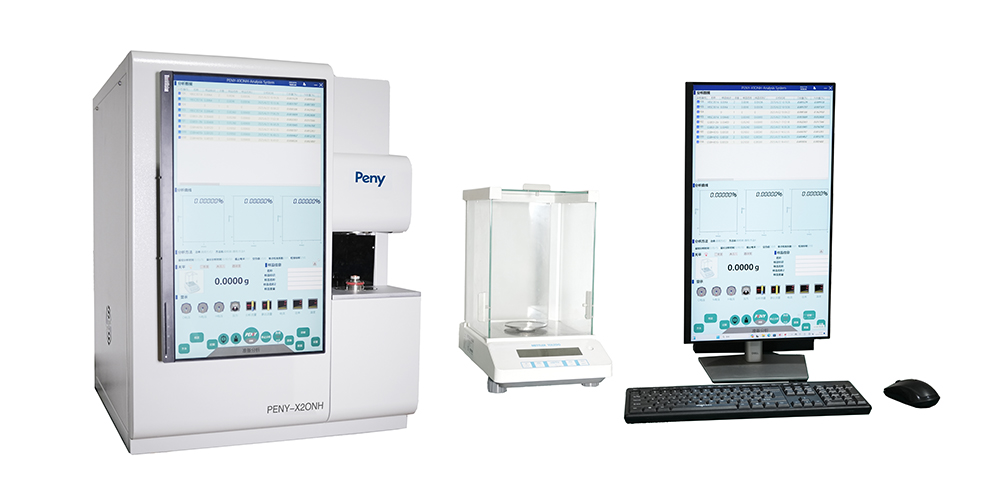
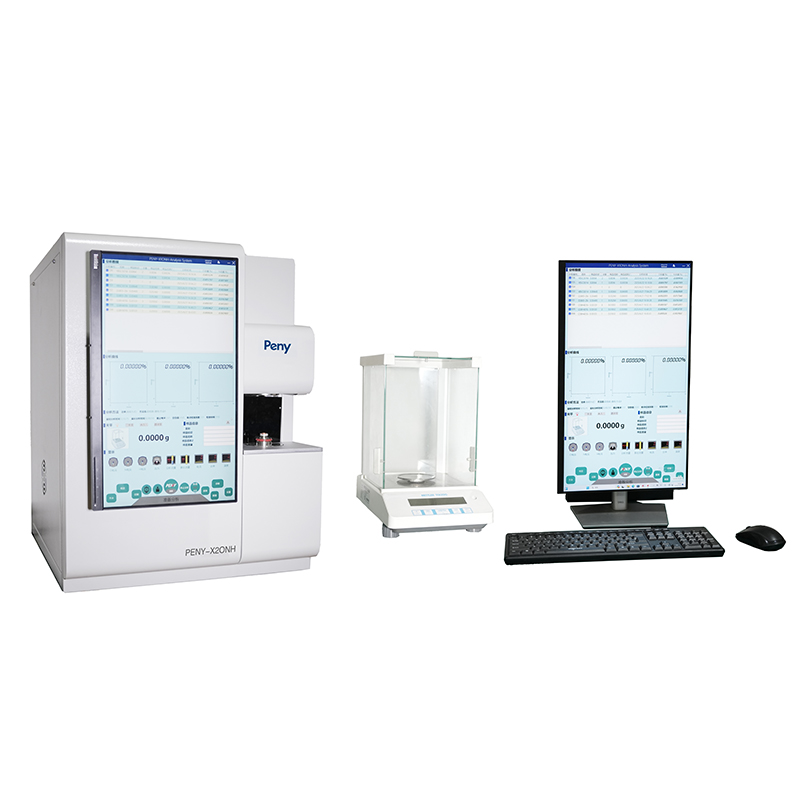
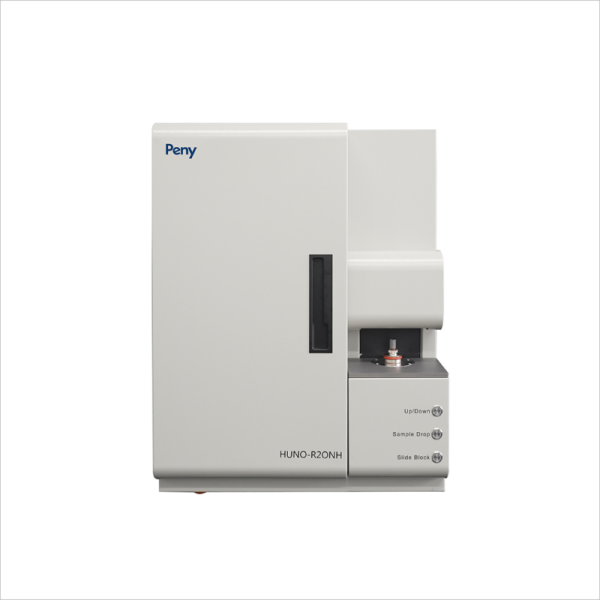
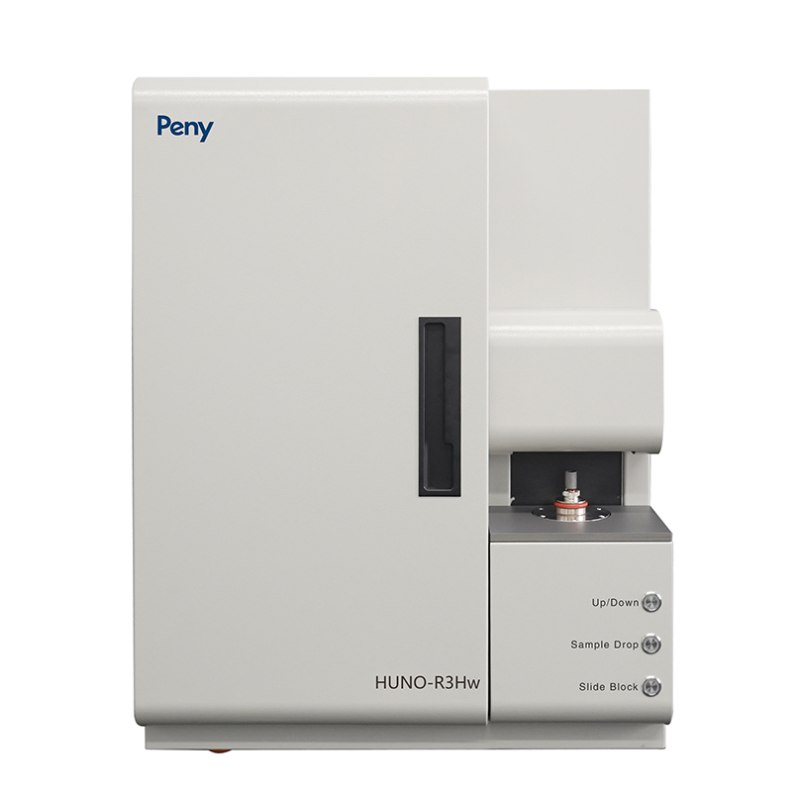
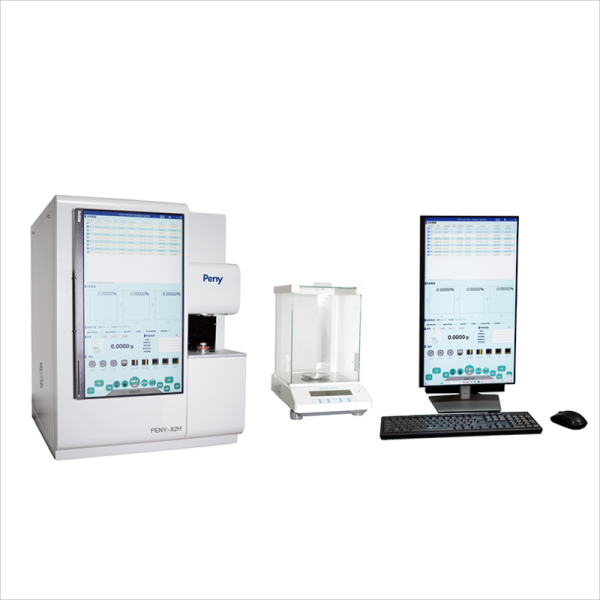
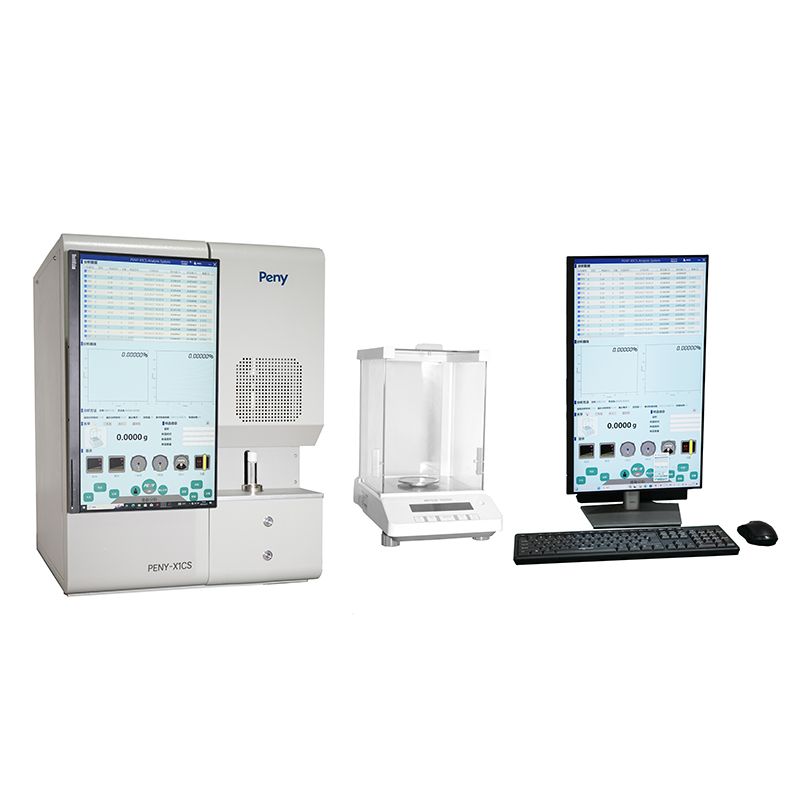
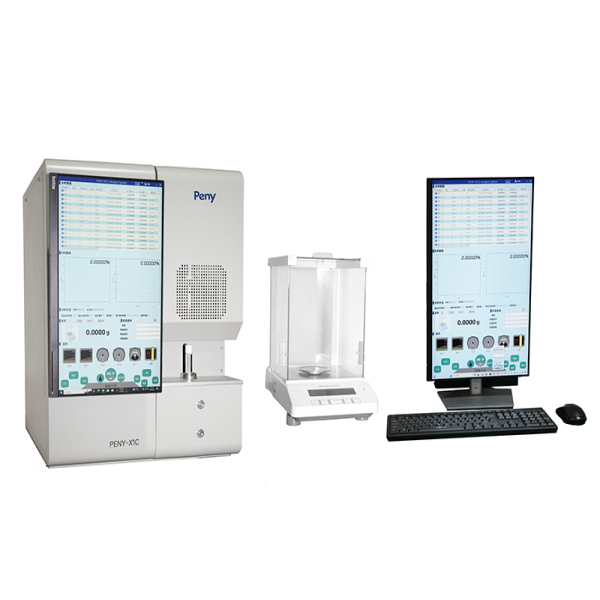
As a highly specialized analytical technique, oxygen-nitrogen-hydrogen analysis is generally conducted by aircraft maintenance enterprises with the help of professional oxygen-nitrogen-hydrogen analyzers, which can quickly and accurately measure the contents of oxygen, nitrogen and hydrogen in carbon steel and alloy steel metal materials.
1. Hazards of Oxygen, Nitrogen and Hydrogen in Carbon Steel and Alloy Steel
Oxygen in steel exists in the form of various oxide inclusions and combines into non-metallic inclusions, which disrupts the continuity of the metal matrix and thereby affects the mechanical properties of steel.
The hazards of nitrogen include reducing the aging resistance of steel, weakening its cold workability and plastic deformation capacity, causing embrittlement in the welded heat-affected zone, and impairing the drawability of steel.
The harm of hydrogen is that hydrogen dissolved in steel aggregates into hydrogen molecules, which embrittles the mechanical properties of the material and causes stress concentration. When the stress exceeds the strength limit of steel, tiny cracks form inside the steel, which is commonly referred to as "hydrogen embrittlement”.
It can be seen that excessive contents of oxygen, nitrogen and hydrogen seriously affect the performance of carbon steel and alloy steel parts and must be controlled. Therefore, it is necessary to accurately measure the contents of oxygen, nitrogen and hydrogen in steel parts, carbon steel and alloy steel materials. For parts with excessive contents, heat treatment methods such as hydrogen removal by heating can be used to eliminate hydrogen embrittlement and restore the performance of steel. This prevents defective steel parts with high oxygen, nitrogen and hydrogen contents from being installed on aircraft, which would otherwise compromise the quality of aircraft maintenance and flight safety.
2. Testing Principle
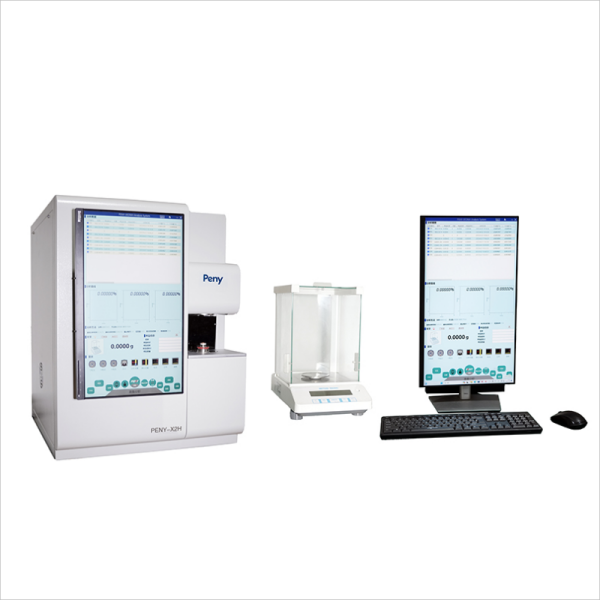
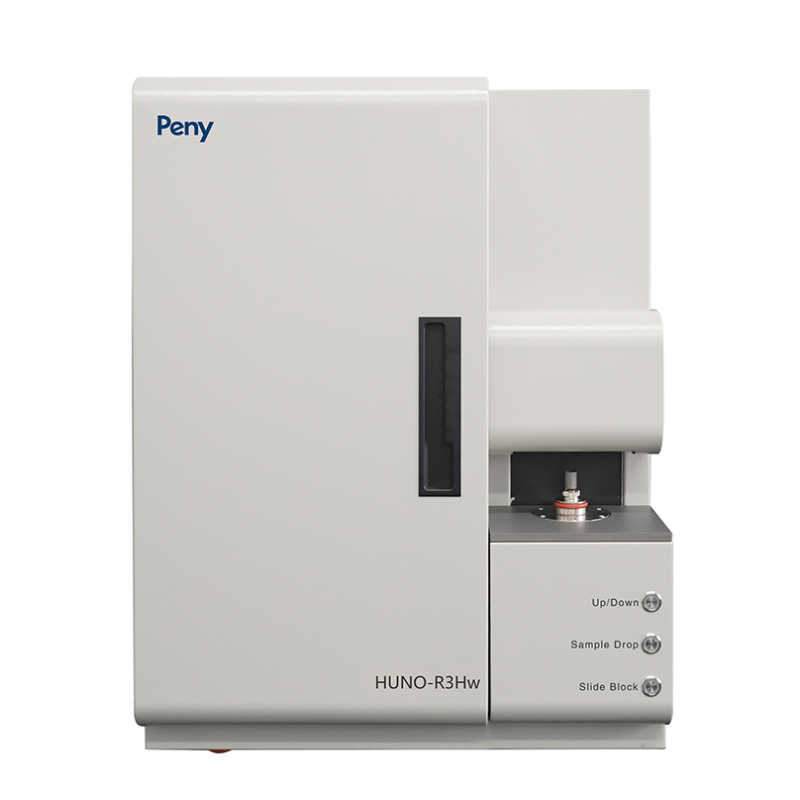
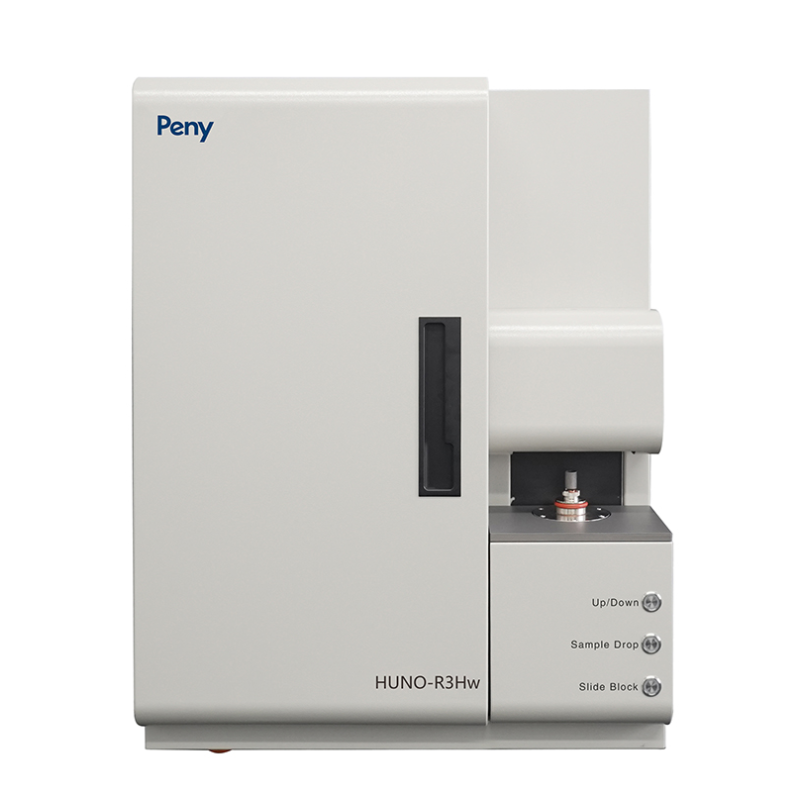
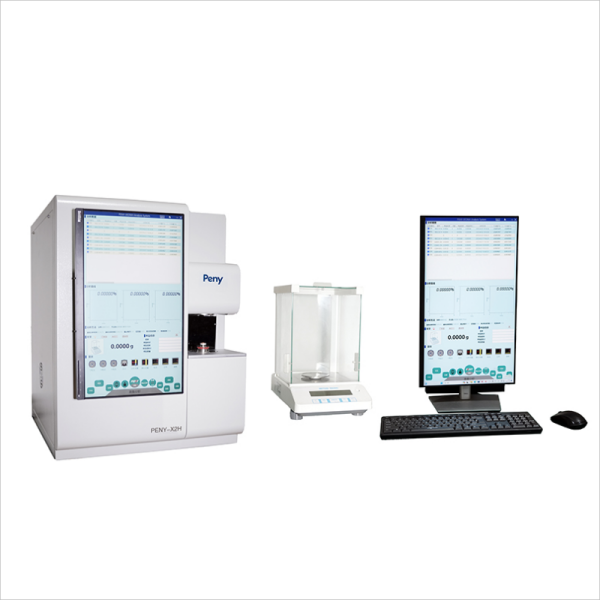
The instrument used by aviation maintenance enterprises for the quantitative analysis of oxygen, nitrogen and hydrogen in steel, cast iron and alloy materials is an oxygen/nitrogen/hydrogen analyzer (e.g., ONH‑2000), which features high accuracy and measurement precision.
The oxygen/nitrogen/hydrogen analyzer adopts the principle of pulse heating fusion – inert gas protection reduction – thermal conductivity and infrared detection. When a strong electric current passes through the graphite crucible between the upper and lower electrodes, the crucible temperature rises rapidly to the specified value. In an inert carrier gas atmosphere (helium or nitrogen), oxygen in the metal sample is converted into carbon monoxide or carbon dioxide, which is carried out by helium and then measured by an infrared detector. Nitrogen and hydrogen are released in molecular form, carried out by helium and nitrogen respectively, and then sent to a thermal conductivity detector for quantitative analysis.
The system is equipped with two independent infrared detection cells for low and high oxygen measurement respectively, and one thermal conductivity detection cell for hydrogen and nitrogen analysis. The pulse furnace is cooled by circulating water, and the sample can be heated to above 2600℃ in the crucible of the high-power pulse furnace. Automatic switching from low temperature to high temperature can be realized during the analysis process. In addition, compressed air is required as the power source for the lifting mechanism of the pulse furnace.
