
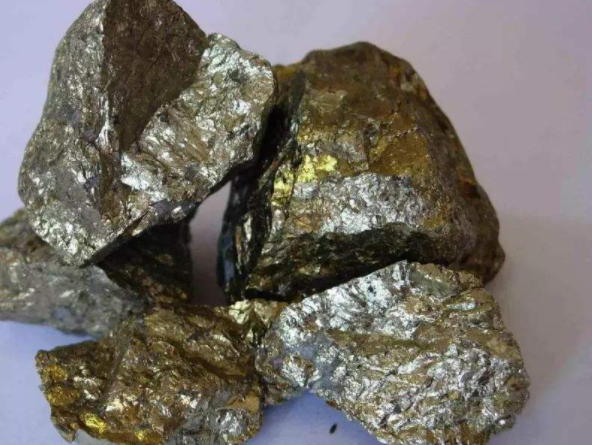
The chemical composition of copper concentrate primarily consists of copper, iron, sulfur, silicon, and other elements, along with impurities such as arsenic, mercury, lead, fluorine, and aluminum. The sulfur content in copper concentrate typically ranges from 10% to 40%. During copper smelting, sulfur in copper concentrate reacts to produce sulfur dioxide, which is then used to generate industrial sulfuric acid through flue gas acid production. Therefore, rapid and accurate determination of the sulfur content in copper concentrate during copper smelting helps guide practical production and provides data support for copper smelting process production, resource conservation, environmental protection, and improving copper concentrate recovery rates.
Sulfur content is a technical indicator of copper concentrate. Currently, in the chemical analysis methods for copper concentrate, gravimetric method and combustion titration method are classic methods for determining sulfur content, but they have issues such as cumbersome analysis process and long operation time. In addition, the determination methods of sulfur content in ore include X-ray fluorescence spectrometry, inductively coupled plasma emission spectrometry, and high-frequency infrared carbon-sulfur analysis absorption method. X-ray fluorescence spectrometry has high requirements for sample matrix, morphology, and content, and the standard curve is difficult to draw; inductively coupled plasma emission spectrometry requires sample pretreatment, elimination of matrix interference, and other steps, making the operation process more complicated. The high-frequency infrared carbon-sulfur analyzer adopts direct solid sampling, decomposes the sample through high-temperature combustion, and detects the specific sulfur content in the sample through infrared absorption. This method is characterized by simple operation, accuracy, speed, and high sensitivity, and has been widely applied in the determination of sulfur content in various mineral products.
Experimental Section
1. Apparatus and reagents
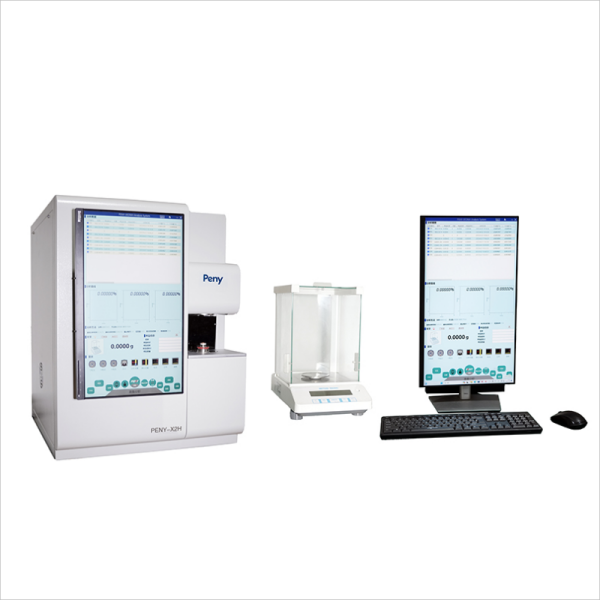
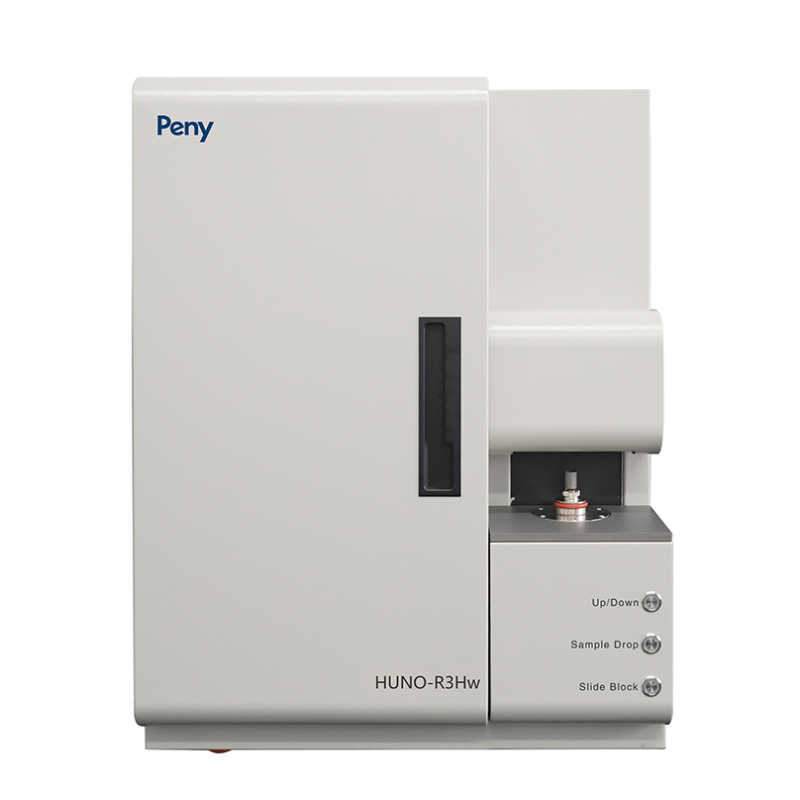
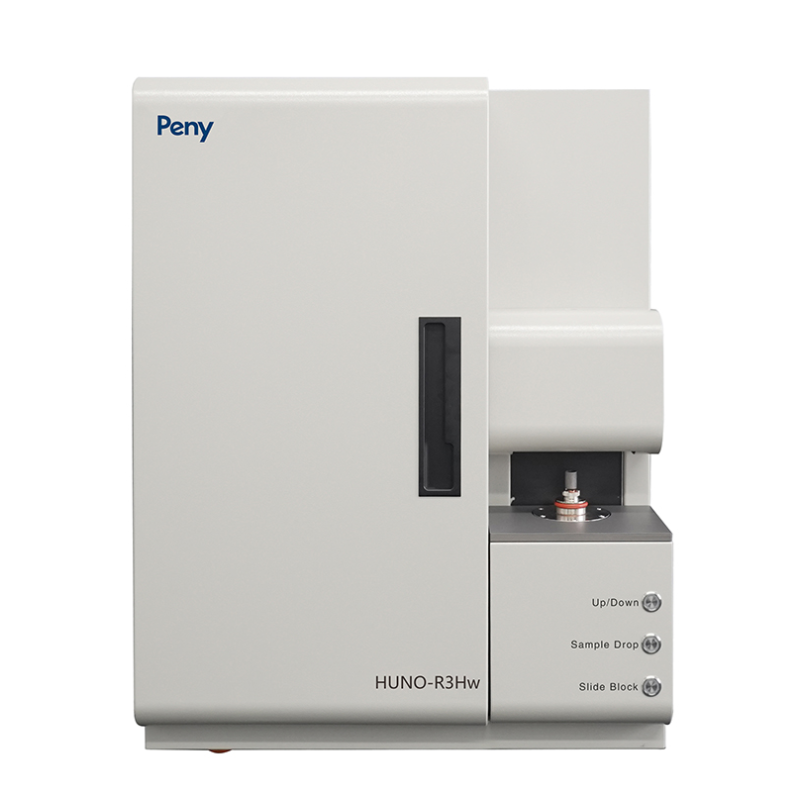
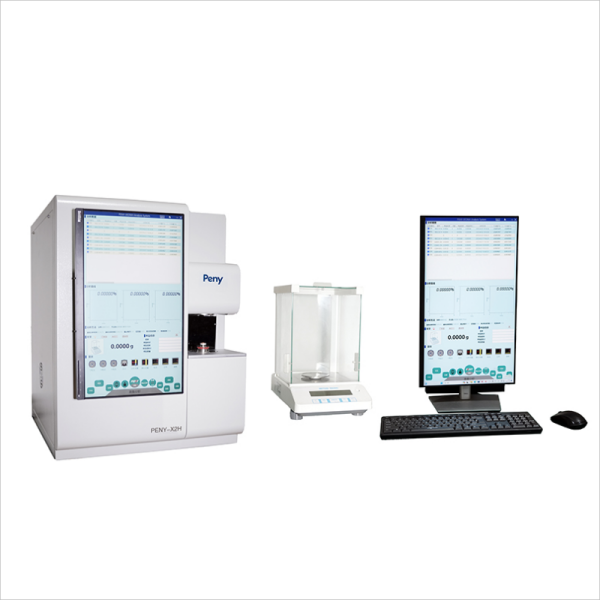
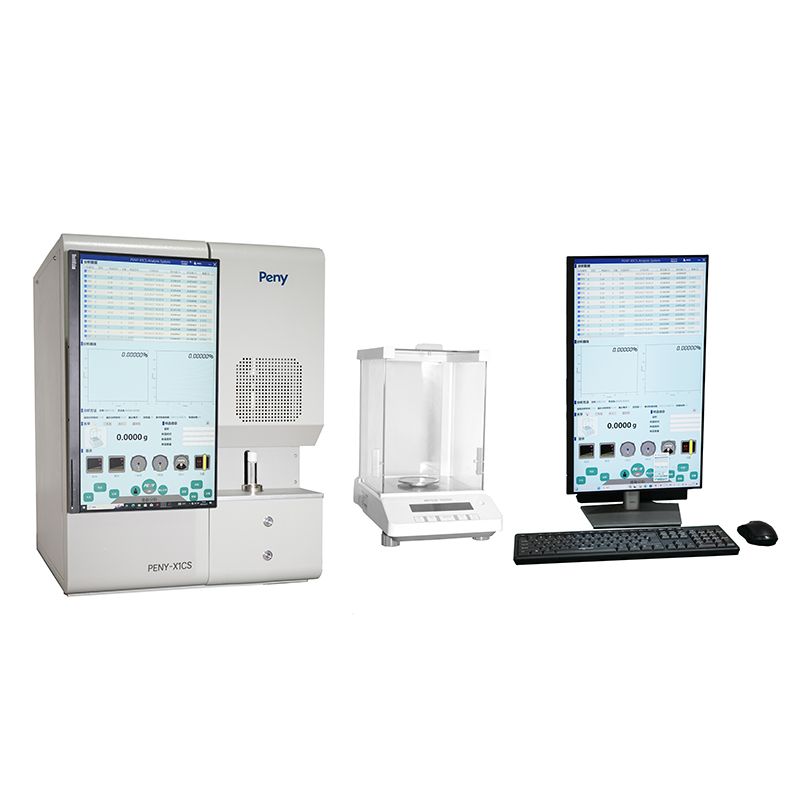
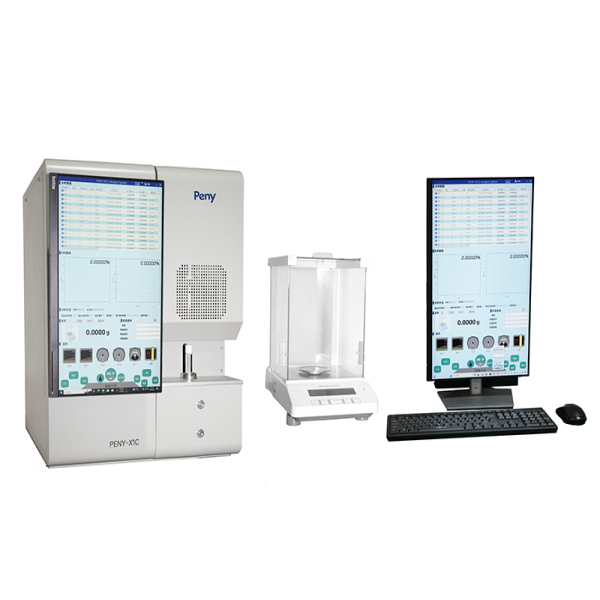
The instruments used in the experiment include: a high-frequency infrared carbon-sulfur analyzer (equipped with a high sulfur detection cell and a low sulfur detection cell), an analytical balance (0.1 mg), and a dedicated carbon-sulfur crucible.
The reagents used in the experiment include: oxygen (purity 99.9%), pure iron (particle size < 1.25 mm, C content < 0.0005%, S content < 0.0005%), and tungsten flux (particle size 0.42 mm (40 mesh), C content < 0.0005%, S content < 0.0005%) 000 5% ).
2. Experimental methods
After processing, the sample is dried at 105℃ and then sealed.
Select a standard sample of copper concentrate and weigh 0 050 ~ 0. Put 0.70g of sample into the crucible, accurately input the sample mass, evenly cover the surface of the sample with about 0.4g of iron powder, and then add 1 5 ~ 2. Take 0g of tungsten flux, place the crucible into a high-frequency infrared carbon sulfur analyzer, select the corresponding analysis channel, and proceed with the measurement. Calibrate based on the measured values of standard samples and standard values. Once the measured values meet the uncertainty requirements, repeat this operation for sample measurement.
| Parameters | Analysis Time/s | Analysis Flow/L·min- 1 | Oxygen Blowing Flow Rate | Analysis Pressure/Mpa | Total Oxygen Pressure/Mpa |
| Value | 40 | 3.5 | 2 | 0.08 | 0.18 |
Instrument Working Parameters
Pure iron is an excellent flux. The heat released by the complete combustion of 1 g of pure iron can raise the slag temperature to 5505 ℃. Additionally, the addition of iron powder can enhance the electromagnetic induction capability of the sample, facilitating high-frequency induction combustion. Since the amount of iron powder added is 6 to 10 times the weight of the sample, the matrix effect of most samples is unified to the background of iron, effectively eliminating the influence of different sample matrices on the measurement results.
To conduct an experiment on the addition amount of pure iron, a copper concentrate standard substance was selected. The addition amount of tungsten flux was fixed at 1.7 g, and the sample weight was 0.07 g. Different masses of pure iron flux were added for the experiment, and the change in sulfur content in the sample was observed.
