
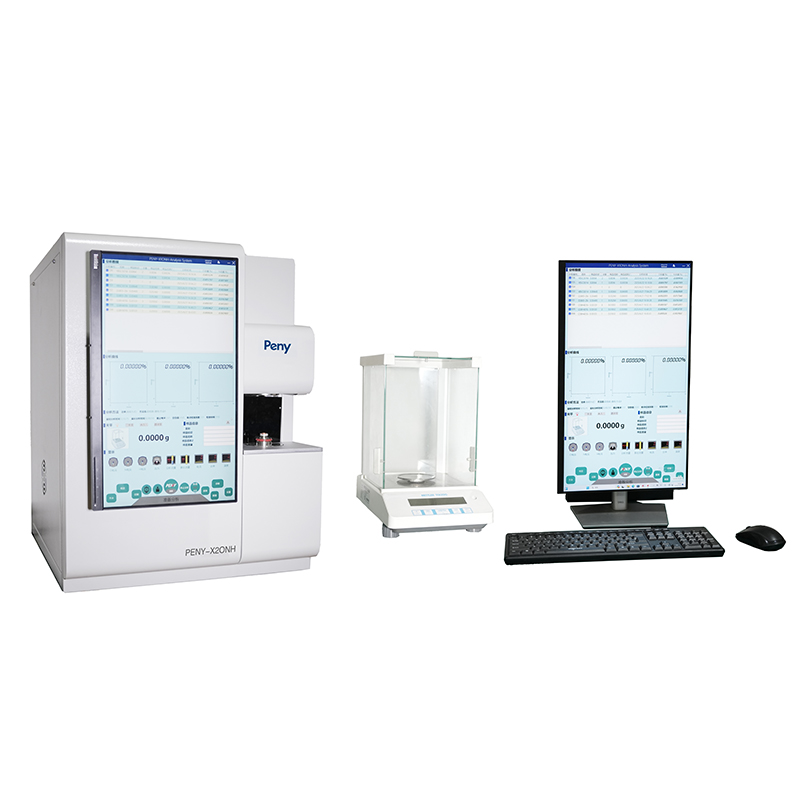
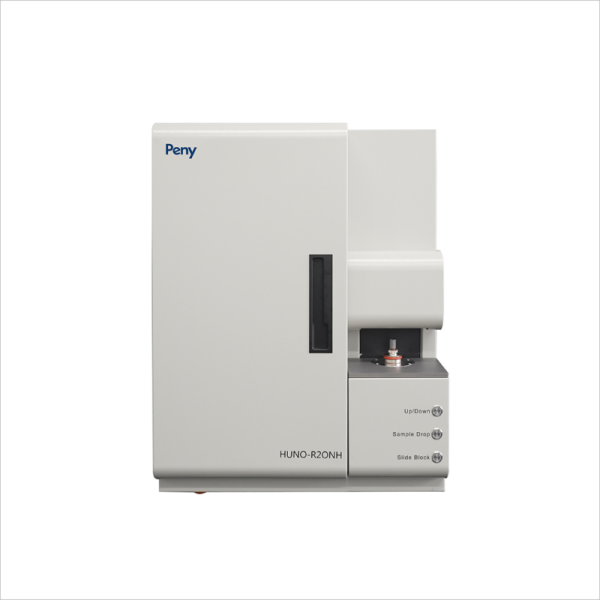
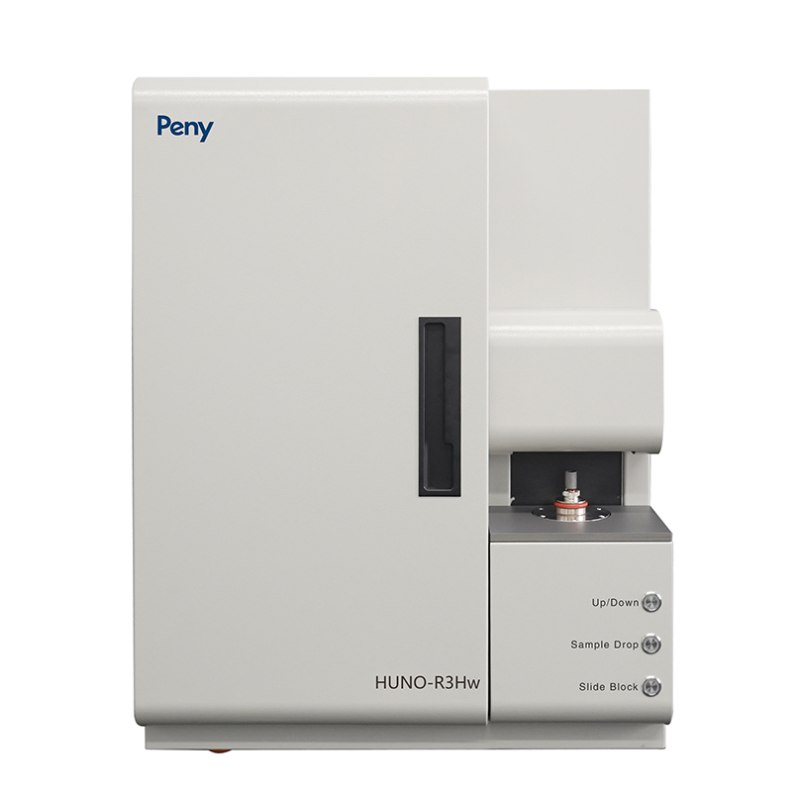
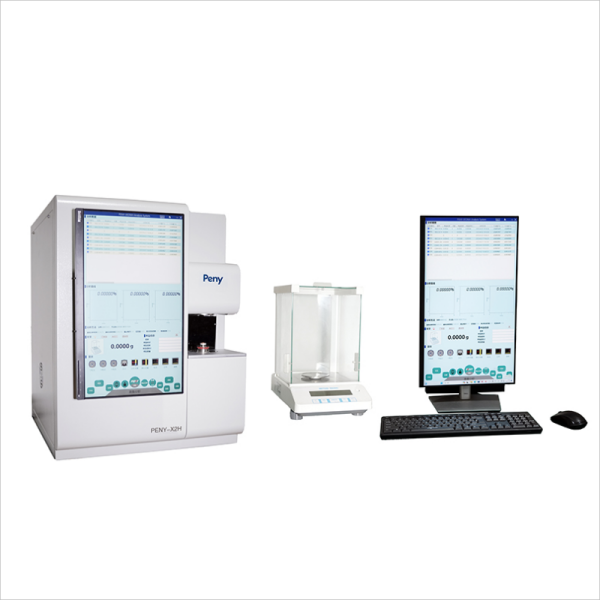
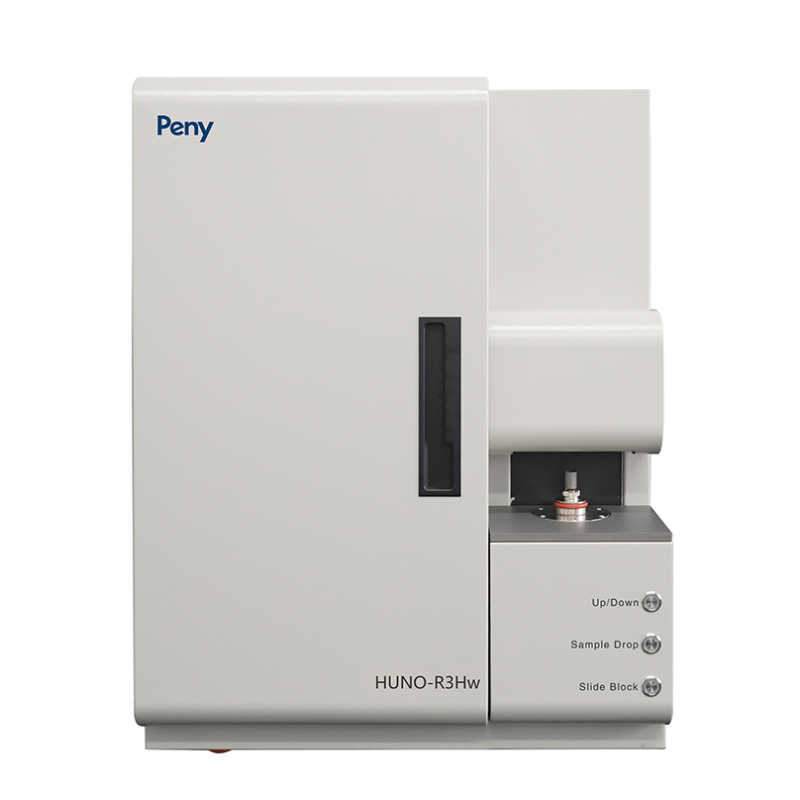
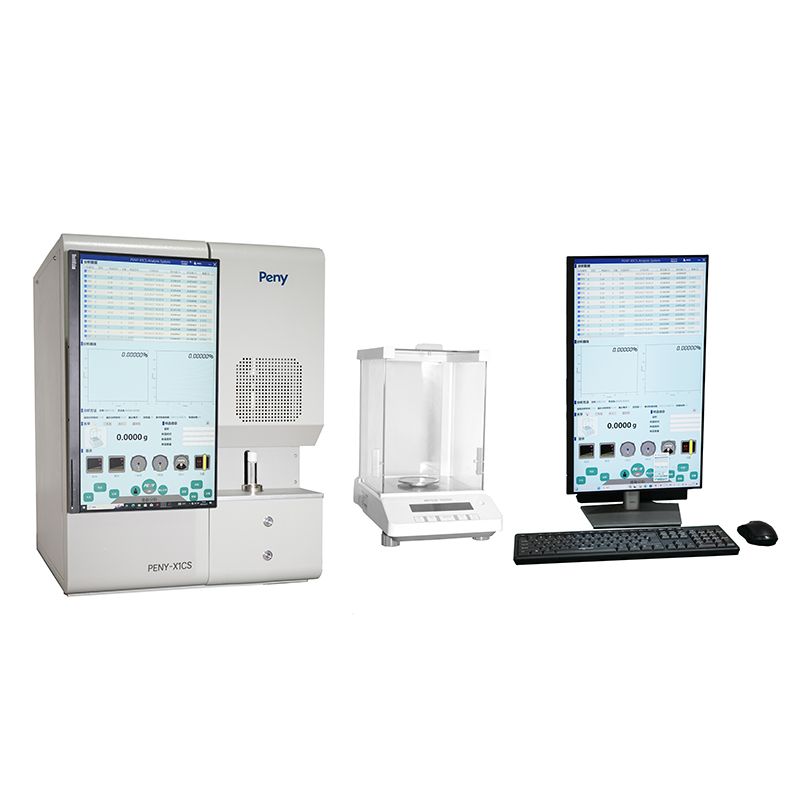
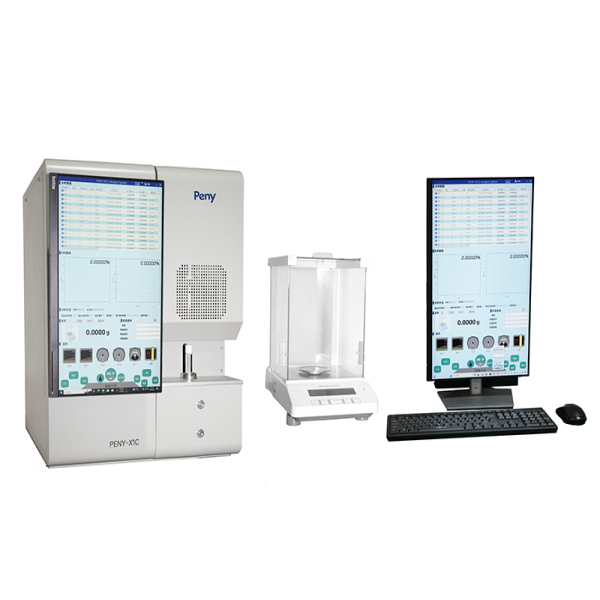
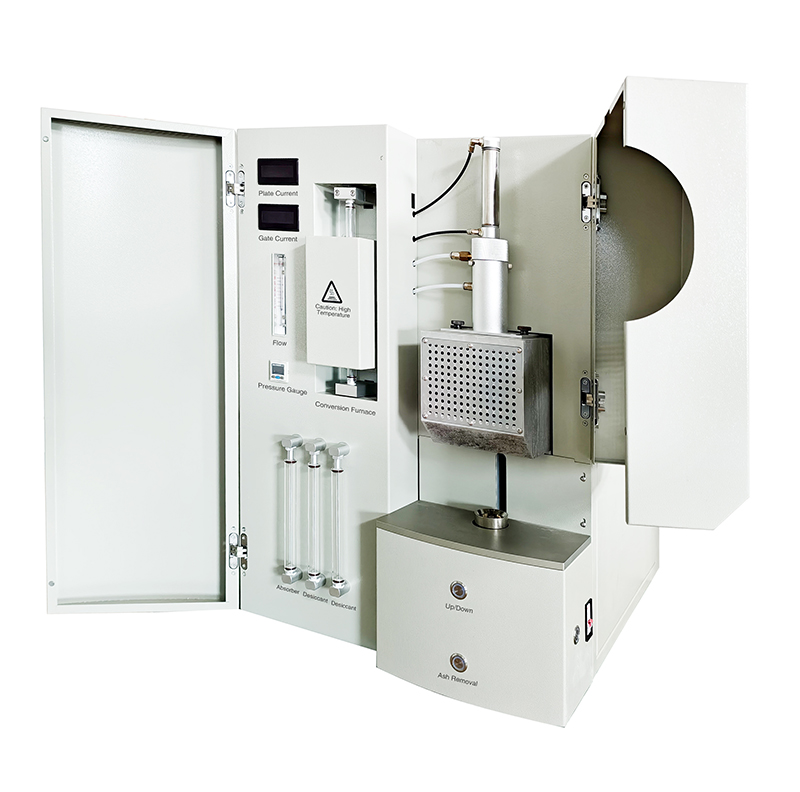
Infrared carbon and sulfur analyzer adopts the high-frequency induction combustion-infrared absorption spectrometry as its measurement principle. It features excellent accuracy, high stability, a wide detection range, extensive application fields, and simple and rapid operation, making it the primary method for analyzing carbon in metallic materials.
The sample weight, dosage and addition sequence of flux agents, and traceability of reference materials are the key factors affecting the accuracy and traceability of carbon determination by the high-frequency infrared method. Meanwhile, these conditions are closely correlated with the physical and chemical properties of the sample itself (such as melting point, electrical conductivity, and magnetism) as well as the existing forms of carbon.
The measurement of carbon blank value is of great significance. Both domestic and international standard methods for carbon determination emphasize the necessity of blank value correction for low-carbon content measurement and specify relevant operating procedures. At present, there are two methods for measuring carbon blank value worldwide.
1 Direct Measurement Method for Carbon Blank Value
The carbon content determined under simulated analytical conditions without adding the sample, but only adding the flux agent, is defined as the carbon blank value. A nominal input mass of 1 gram is generally adopted. To ensure the representativeness of the carbon blank value, the average of no fewer than three measurements shall be used, and strict consistency between the blank measurement conditions and the sample analysis conditions must be maintained.
Standards that explicitly specify the direct measurement method include: HB 5220.3—2008, HB 5297—2001, and GB/T 21931.1—2008 Determination of carbon content in nickel, nickel ferronickel and nickel alloys—High frequency combustion infrared absorption method, among others.
The direct measurement method for carbon blank value has inherent limitations, because the combustion behavior of the flux agent alone differs from that of the mixture of the sample and flux agent.
2 Indirect Measurement Method for Carbon Blank Value
The indirect measurement method, also referred to as the standard addition method, involves adding a reference material with a known carbon content and determining its measured carbon value under routine analytical conditions.The carbon blank value is calculated as follows:Carbon blank value = Measured carbon value − Certified carbon value of the reference material
The final blank value is determined as the average of multiple replicate measurements.
Standards that explicitly specify the indirect measurement method include:GB/T 20123—2006, GB/T 223.86—2009, and GB/T 8647.9—2006 Chemical analysis methods of nickel — Determination of carbon content — High-frequency induction furnace combustion infrared absorption method [9], among others.
A potential failure mode of the indirect measurement method is the occurrence of negative carbon blank values. This arises mainly because the certified carbon content of the reference material and the carbon blank value are typically not on the same order of magnitude, introducing significant errors in the subtraction calculation.
Interestingly, for carbon determination in nickel and nickel alloys, GB/T 21931.1—2008 Determination of carbon content in nickel, nickel ferronickel and nickel alloys — High-frequency combustion infrared absorption method adopts the direct measurement method, whereas GB/T 8647.9—2006 employs the indirect measurement method.This demonstrates that the two blank determination methods for carbon analysis using infrared carbon/sulfur analyzers each have their own advantages and limitations.
For Carbon sulfur analyzer of Peny, both blank correction methods above are supported. If you have any further question, you may feel free to contact with us.
