
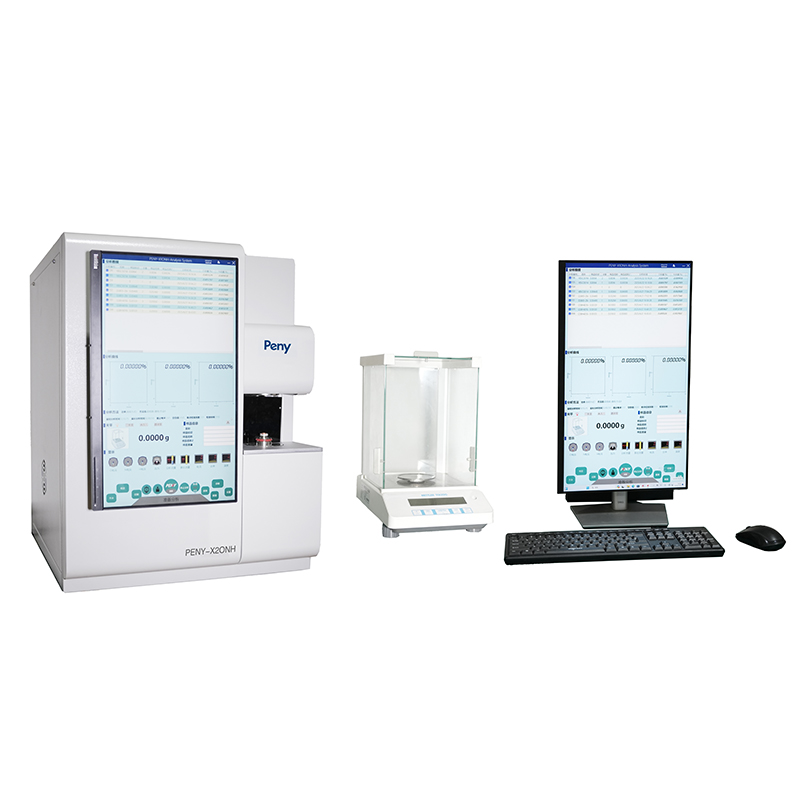
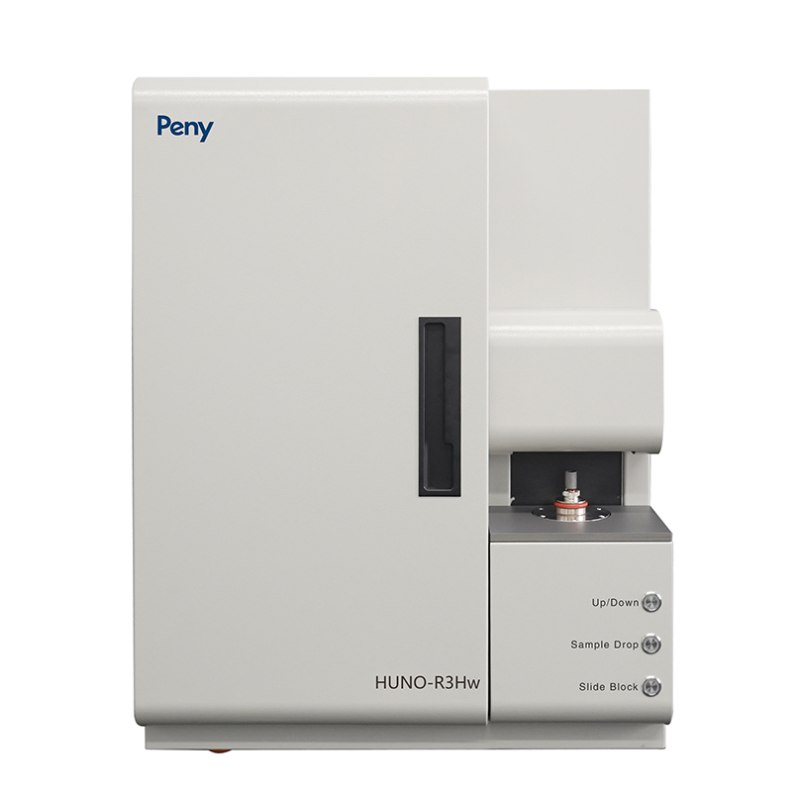
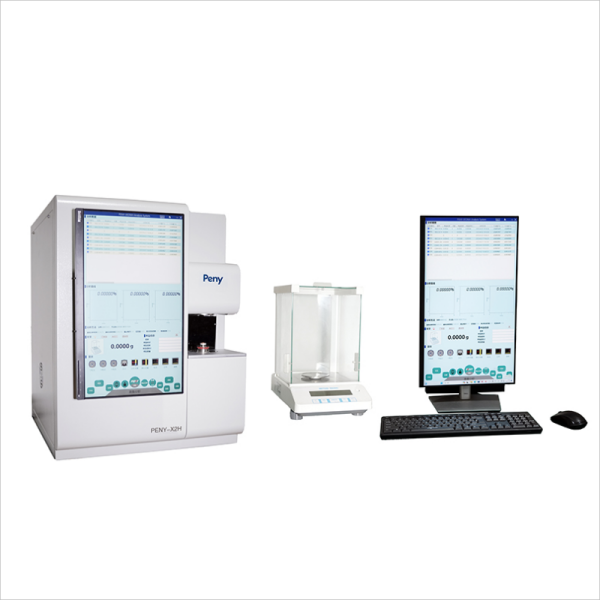
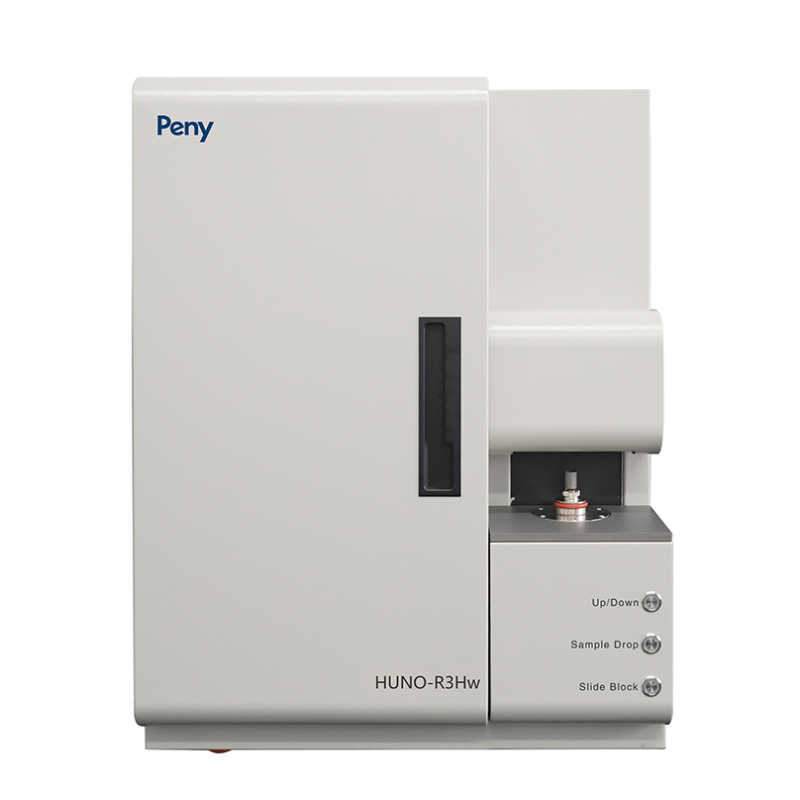
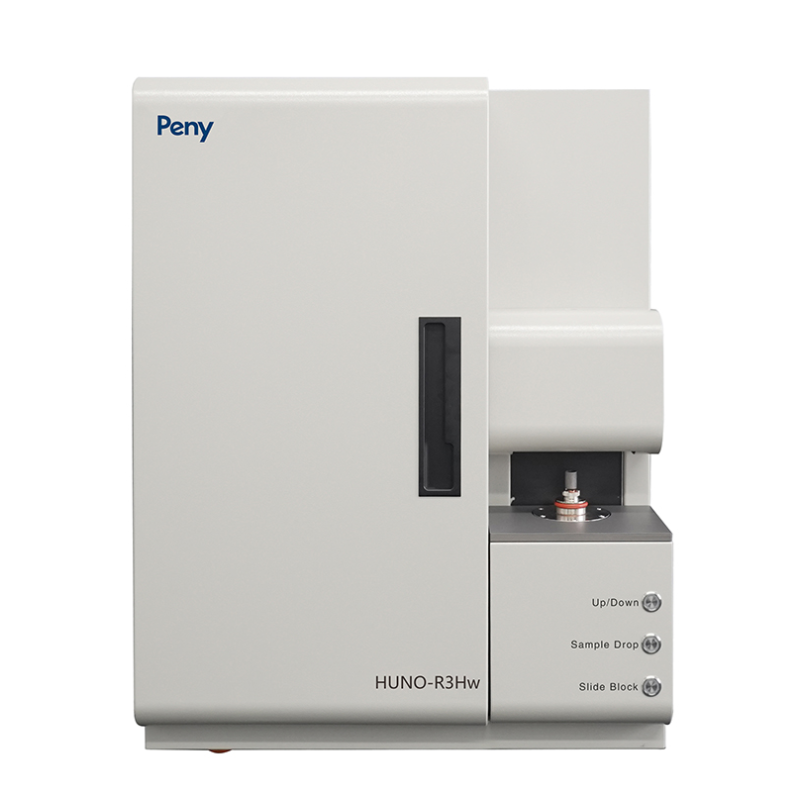
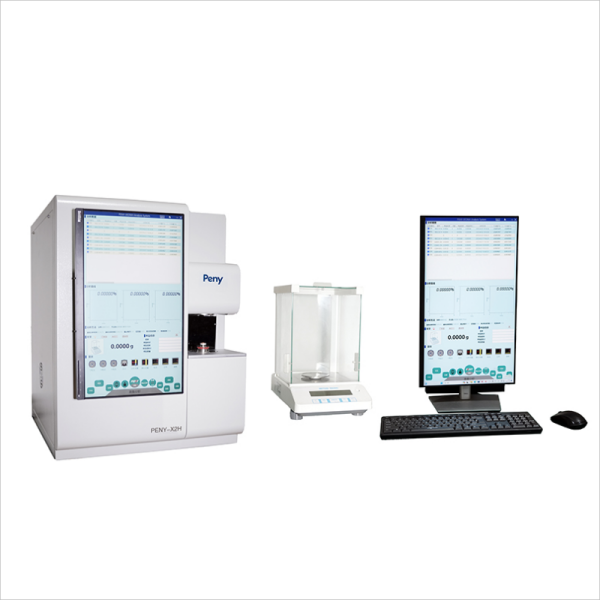
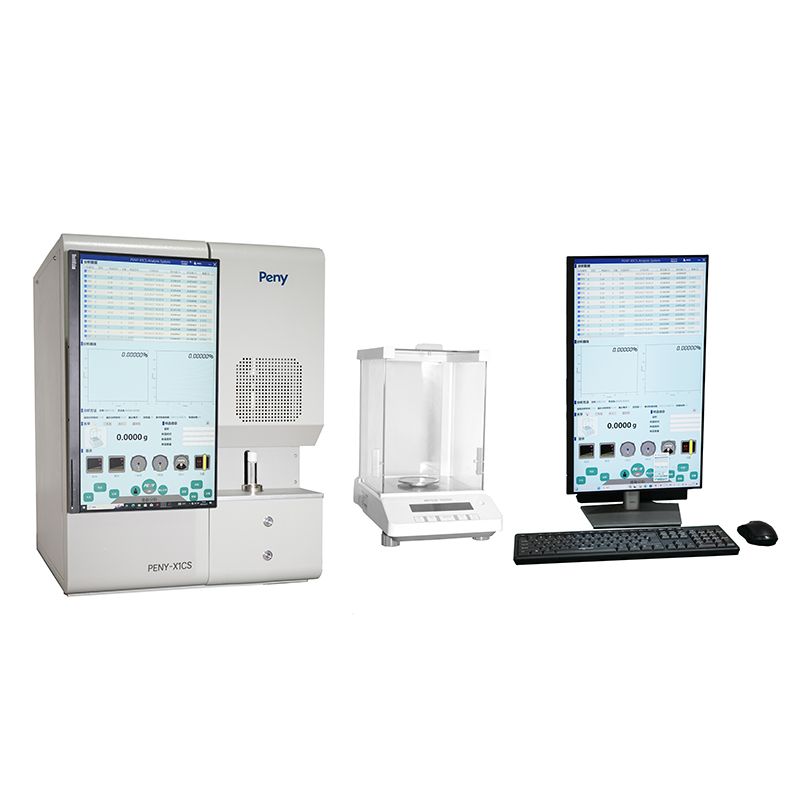
You're on the factory floor, inspecting a batch of incoming stainless steel. Your handheld XRF spectrometer reads "316L," but the material fails a later corrosion test. The batch is rejected—$50,000 in scrap, plus a week of production delay. Sound familiar? For many manufacturers, the handheld XRF spectrometer is a double-edged sword: it promises speed but often delivers unreliable data, hidden costs, and compliance headaches. But it doesn't have to be that way. The right instrument—like those from Peny Scientific Instruments (Nantong) Co., Ltd.—can turn your XRF into a profit center, not a cost center.
Pain Point 1: Inaccurate Alloy Identification Leading to Costly Rejects
Imagine a Tier 1 aerospace supplier. They receive a shipment of titanium alloy Ti-6Al-4V. Their handheld XRF says "Grade 5," but a lab test later reveals it's actually Grade 23 (ELI). The difference? Grade 23 has tighter oxygen limits, critical for fracture toughness. The supplier used the material in a critical component, which failed fatigue testing. Result: $200,000 in rework, a delayed delivery, and a near-loss of a major contract. The root cause: a spectrometer with poor light element detection and inadequate matrix correction.
Solution: Advanced Detector and Calibration Technology
The solution lies in next-generation silicon drift detectors (SDDs) with optimized geometry and proprietary algorithms. For example, Peny Scientific Instruments employs a multi-beam excitation and a comprehensive library of over 1,500 alloys, with specific calibrations for light elements like magnesium, aluminum, and silicon. Their spectrometers achieve accuracy within 0.1% for major elements and detect trace elements down to 10 ppm. This eliminates the guesswork and ensures that every alloy identification is reliable, even for complex grades like duplex stainless steels or nickel-based superalloys.
Pain Point 2: Excessive Testing Time and Labor Costs
In a busy scrap metal recycling yard, operators test hundreds of pieces per day. A slow spectrometer (e.g., 15-second analysis per sample) forces them to wait, reducing throughput. Worse, if the instrument requires frequent recalibration or fails to identify unknowns, operators must send samples to a lab, costing $50 per test and adding 48 hours. For a yard processing 500 tons per month, that's thousands of dollars in lab fees and lost efficiency.
Solution: Fast Analysis and Smart Workflow
Modern handheld XRF spectrometers from Peny Scientific Instruments achieve analysis times of 1–3 seconds for common alloys and 5–10 seconds for more complex materials, without sacrificing accuracy. They incorporate a "smart" mode that automatically selects the best excitation parameters based on the material type. Additionally, integrated GPS and camera documentation streamline reporting, reducing operator time by 30%. One recycling facility reported a 40% increase in throughput after switching to Peny's XRF analyzer, saving $15,000 per month in labor and lab costs.
Pain Point 3: Compliance Risks with RoHS and Conflict Minerals Regulations
An electronics manufacturer must ensure that their products comply with RoHS (Restriction of Hazardous Substances) and conflict minerals regulations. Using a basic XRF that cannot reliably detect low levels of cadmium (below 100 ppm) or lead (below 1000 ppm) puts them at risk of non-compliance fines (up to $50,000 per violation) and reputational damage. One company faced a product recall after a portable XRF failed to detect elevated cadmium in a batch of plastic enclosures.
Solution: High-Sensitivity Detection and Regulatory Libraries
Peny's handheld XRF spectrometers are equipped with a high-sensitivity SDD that can detect cadmium down to 20 ppm and lead down to 5 ppm in plastics and metals. The instruments come pre-loaded with regulatory limits (RoHS, REACH, California Proposition 65) and automatically flag non-compliant materials. They also support conflict minerals screening by detecting trace levels of tantalum, tin, tungsten, and gold. A major automotive parts supplier used Peny's XRF to audit their supply chain and reduced non-compliance incidents by 90% in one year.
Customer Success Stories
1. Airbus subcontractor in Toulouse, France: "We were struggling with false positives for aluminum alloys. After switching to Peny's XRF, our scrap rate dropped by 15%, saving us €120,000 annually. The instrument's light element detection is spot-on." — Jean-Pierre Dubois, Quality Manager
2. Scrap metal yard in Houston, Texas, USA: "Our old XRF took 20 seconds per test. Now with Peny's analyzer, we do it in 3 seconds. Our throughput increased by 35%, and we eliminated $8,000/month in lab fees." — Mike Torres, Operations Director
3. Electronics manufacturer in Shenzhen, China: "We were worried about RoHS compliance for our export products. Peny's XRF detected cadmium at 50 ppm in a batch of connectors, preventing a costly recall. The instrument is a lifesaver." — Li Wei, Compliance Officer
4. Oil & gas pipeline inspection company in Aberdeen, Scotland: "We test hundreds of welds daily in harsh conditions. Peny's XRF is rugged, accurate, and the battery lasts a full shift. We've reduced re-inspection rates by 25%." — Sarah MacLeod, NDT Supervisor
5. Jewelry manufacturer in Vicenza, Italy: "We need to verify gold purity to 0.1%. Peny's XRF gives us lab-quality results on the bench. It paid for itself in six months by preventing alloy errors." — Marco Rossi, Production Manager
Applications and Partnerships
Handheld XRF spectrometers from Peny Scientific Instruments are used in diverse industries: aerospace (alloy verification), automotive (lightweight materials), recycling (scrap sorting), electronics (RoHS screening), mining (ore grade control), and petrochemical (pipe inspection). Key partners include Bureau Veritas (inspection services), SAE International (standards compliance), and UL (safety certification). These partnerships ensure that Peny's instruments meet rigorous international standards like ASTM E572 (steel analysis) and ISO 17025 (calibration).
FAQ
Q1: How does your XRF handle light elements like magnesium and aluminum?
A: Our spectrometers use a helium purge or vacuum option to improve detection of light elements. The SDD has a thin window that enhances sensitivity for elements down to sodium. For alloys, we have specific calibrations that correct for inter-element effects, achieving accuracy within 0.1% for Mg and Al.
Q2: What is the battery life in continuous use?
A: The instrument provides up to 12 hours of operation on a single charge under normal use (e.g., 8-second tests). It also supports hot-swappable batteries, so you can work non-stop by swapping batteries without powering down.
Q3: Can you customize the alloy library for our specific materials?
A: Absolutely. We offer a software tool that allows you to add user-defined alloys based on your own reference standards. Our technical team can also create custom calibrations for proprietary alloys, with a turnaround time of 2 weeks.
Q4: How does your instrument perform in dusty or wet environments?
A: Our XRF is IP54 rated (dust and splash resistant). The protective window is replaceable, and we offer a rugged carrying case. For extreme conditions, we have an optional IP65 rating with a sealed detector window.
Q5: What kind of warranty and support do you offer?
A: We provide a 3-year warranty on the instrument and detector, with a 24-hour replacement service for critical failures. Our support team includes application specialists who can help with calibration issues or complex analysis problems. We also offer annual calibration services with certificates traceable to NIST.
Conclusion and Call to Action
The right handheld XRF spectrometer is not a cost—it's an investment in quality, efficiency, and compliance. Peny Scientific Instruments (Nantong) Co., Ltd. delivers instruments that pay for themselves through reduced scrap, faster throughput, and fewer compliance risks. To learn more, download our technical white paper "Optimizing Alloy Analysis with Next-Gen XRF" or contact our sales engineering team for a personalized demo. Visit www.peny-scientific.com or email sales@peny-scientific.com.
