
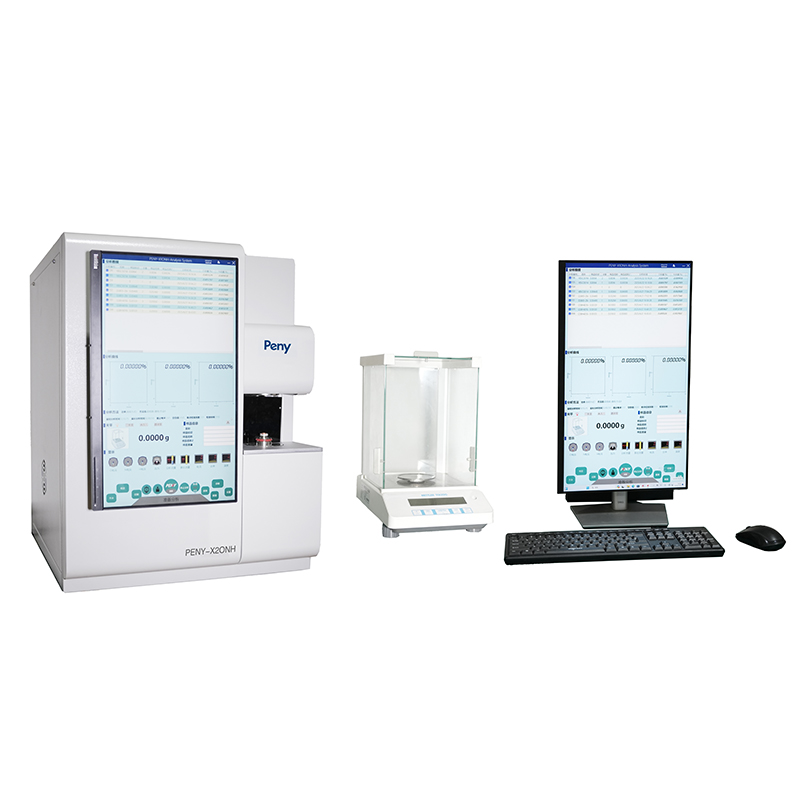
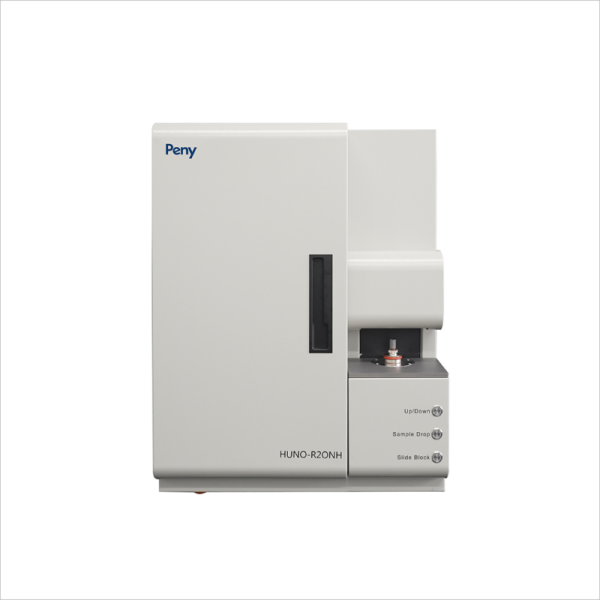
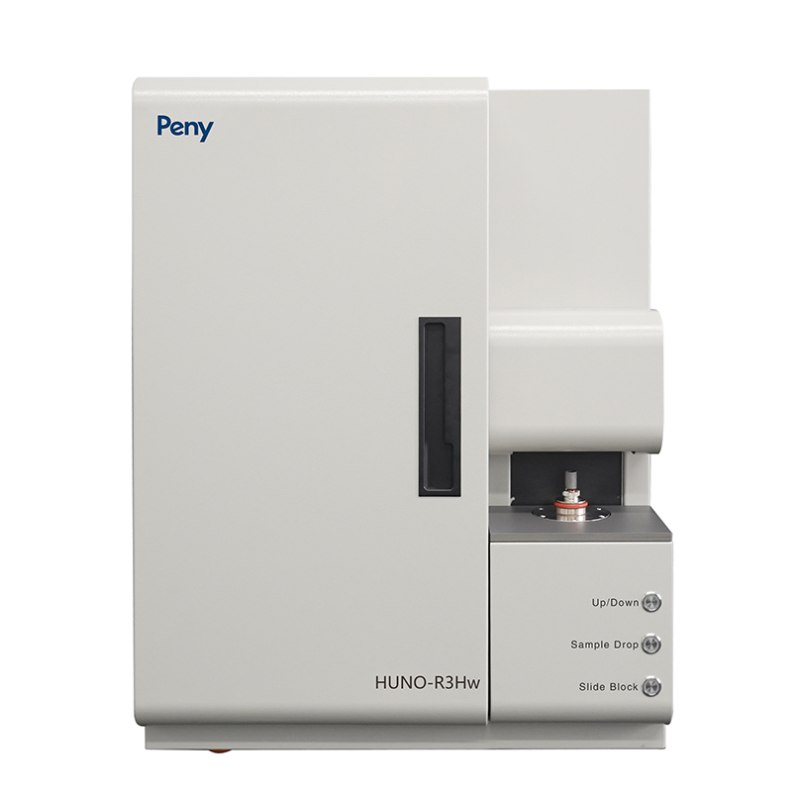
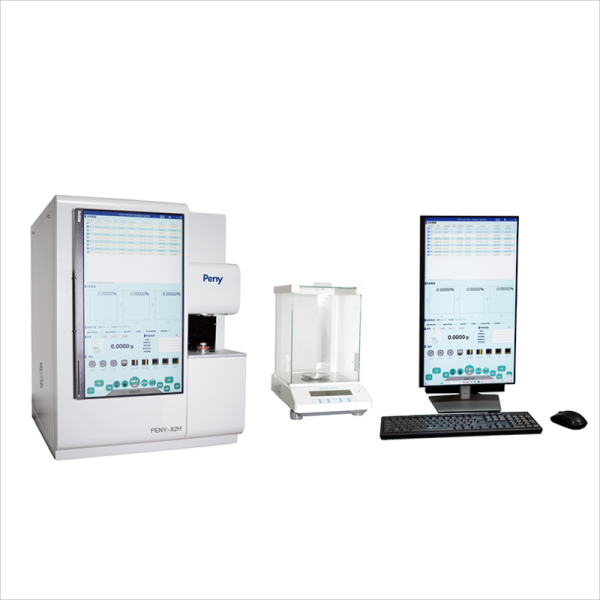
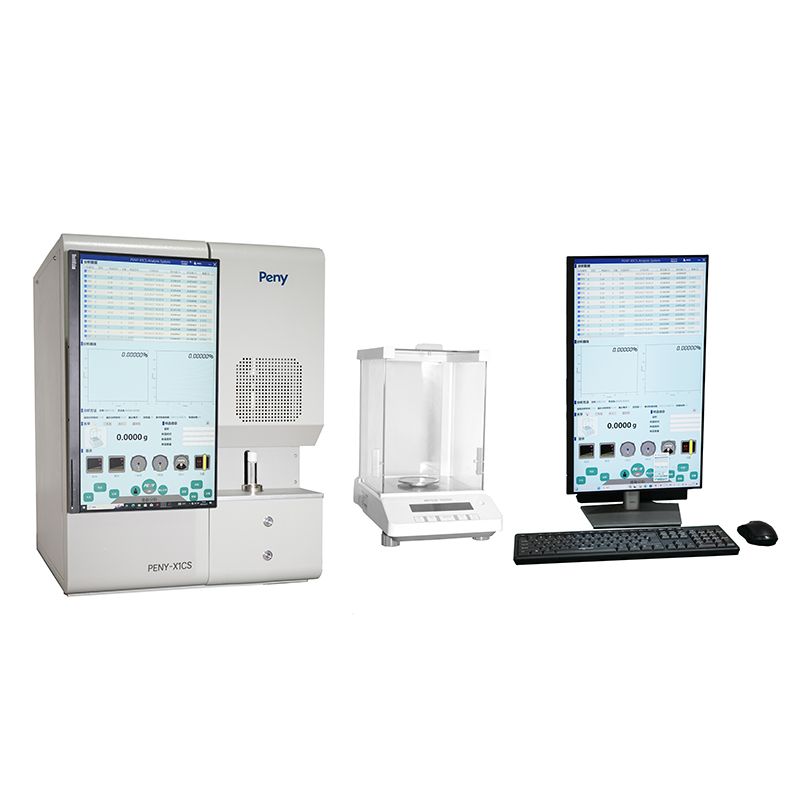
Imagine this: You're a quality control manager at a mid-sized metal fabrication plant in Ohio. Your team processes hundreds of incoming raw material batches weekly, and each one requires elemental analysis. Your lab is equipped with an older spectrometer that takes 15 minutes per sample. The bottleneck is costing you $2,000 per hour in delayed production. You've heard about direct reading spectrometers (DRS) but wonder if they can truly transform your workflow. The answer, as we'll explore, is yes—and they can slash your per-sample cost by up to 40%.
The Hidden Costs of Outdated Analysis
Pain Point 1: Slow Sample Throughput
In a typical high-volume lab, each sample requires preparation, measurement, and data processing. With older instruments, a single analysis can take 10–15 minutes. For a lab processing 100 samples a day, that's over 16 hours of instrument time. The consequence? Overtime pay for operators, delayed shipments, and rush fees from customers. At a labor rate of $50/hour, that's an extra $800 per day—or $200,000 annually.
Pain Point 2: Inconsistent Accuracy Due to Operator Variability
Manual sample handling and calibration drift lead to repeat analyses. In one case, a Tier 1 automotive supplier in Germany reported that 8% of their tests required rework because of operator errors or instrument instability. Each re-run costs $35 in materials and labor, plus the intangible cost of delayed decision-making. Over a year, that's $70,000 in wasted resources.
Pain Point 3: High Consumable and Maintenance Costs
Older spectrometers often require argon gas, sample preparation chemicals, and frequent part replacements. A typical unit consumes $15,000 worth of consumables annually, with maintenance contracts adding another $10,000. For a plant with two instruments, that's $50,000 per year—a significant portion of the lab budget.
How a Direct Reading Spectrometer Solves These Issues
Solution 1: High-Speed Analysis with Minimal Preparation
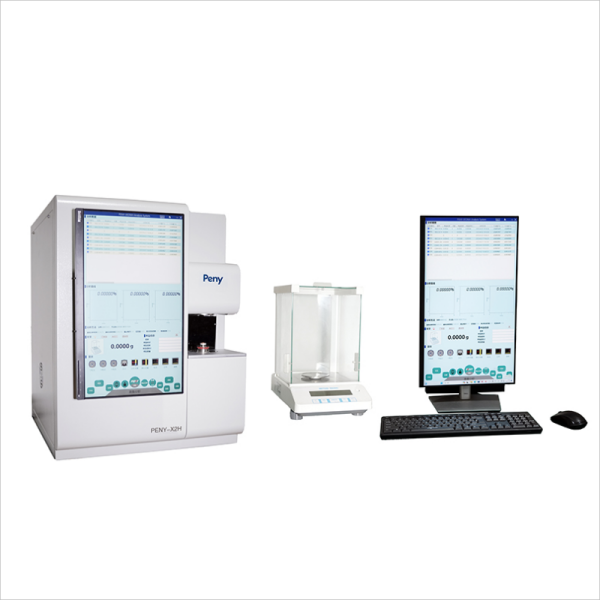
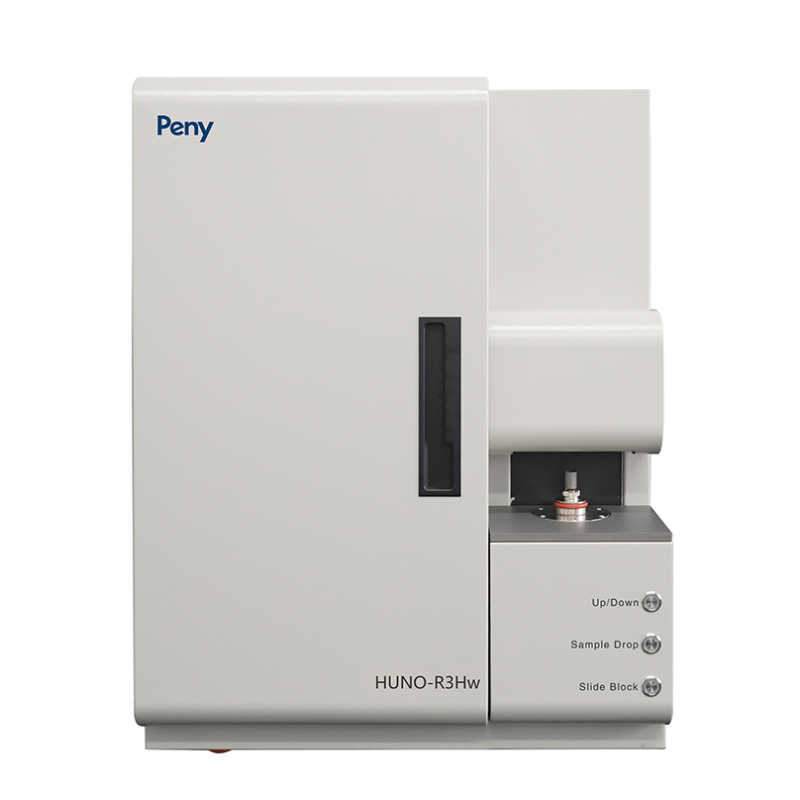
Modern direct reading spectrometers from Peny Scientific Instruments (Nantong) Co., Ltd. can complete an analysis in under 30 seconds with minimal sample preparation. For instance, their PSM-3000 model uses a simultaneous detection system that reads all elements at once, eliminating sequential scanning. This boosts throughput to 120 samples per hour—a 400% improvement over older units. The time savings translate directly into lower labor costs and faster turnaround.
Solution 2: Automated Calibration and Error Reduction
Advanced DRS systems incorporate automatic wavelength calibration and real-time drift correction. This reduces operator intervention and ensures consistent results. With built-in quality control charts, the instrument flags potential deviations before they become costly re-runs. The result? A 90% reduction in repeat analyses, as seen in a case study from a French aerospace foundry.
Solution 3: Lower Consumable and Maintenance Costs
Newer DRS designs use less argon gas (as little as 3 L/min vs. 10 L/min) and have sealed optics that require less frequent cleaning. The PSM-3000, for example, has a maintenance interval of 6 months instead of the typical 3 months. Annual consumable costs drop to $8,000, and maintenance contracts to $6,000—a combined savings of $11,000 per instrument per year.
Real-World Results: Customer Success Stories
Case 1: Steel Mill in Pennsylvania, USA
Company: Keystone Steel Solutions
Challenge: Needed to analyze 200 scrap metal samples daily to verify alloy composition before melting. Old spectrometer took 12 minutes per sample, causing furnace delays.
Solution: Installed two PSM-3000 units from Peny Scientific Instruments.
Results: Throughput increased to 150 samples per hour per instrument. Labor costs dropped by 35%. Annual savings: $180,000.
Quote from QC Manager, Mark Thompson: "The PSM-3000 cut our analysis time by 80%. We now have data before the furnace is ready, eliminating costly idle time."
Case 2: Automotive Parts Supplier in Bavaria, Germany
Company: Präzisionsteile GmbH
Challenge: High rework rate due to inconsistent spectrometer calibration. 8% of tests needed repetition.
Solution: Replaced two aging spectrometers with Peny Scientific's PSM-3000.
Results: Repeat analysis rate fell to 0.5%. Annual savings from reduced rework: €65,000. Consumable costs down by 40%.
Quote from Lab Director, Dr. Ingrid Fischer: "The automatic calibration feature is a game-changer. We trust every result the first time."
Case 3: Aerospace Foundry in Toulouse, France
Company: Aéroforge SAS
Challenge: Needed to certify incoming titanium alloys to aerospace standards (AMS 4928). Manual process took 20 minutes per sample.
Solution: Implemented a PSM-3000 with a dedicated titanium calibration.
Results: Analysis time reduced to 45 seconds. Certification turnaround improved from 2 days to 4 hours. Saved €120,000 annually in expedited shipping fees.
Quote from Quality Engineer, Jean-Luc Moreau: "The speed and accuracy have transformed our supply chain. We now release materials within hours."
Case 4: Copper Tube Manufacturer in Shanghai, China
Company: Shanghai Copper Products Co., Ltd.
Challenge: High impurity levels in finished tubes due to slow feedback from lab. Production line had to wait 30 minutes for results.
Solution: Deployed a PSM-3000 on the production floor.
Results: Real-time analysis allowed immediate adjustments. Scrap rate reduced from 5% to 1.2%. Annual savings: ¥1.2 million.
Quote from Plant Manager, Li Wei: "Having the spectrometer right on the line means we can correct issues before they become waste."
Case 5: Recycling Facility in Melbourne, Australia
Company: Green Metal Recyclers
Challenge: Needed to sort mixed scrap quickly to maximize recovery value. Old method took 10 minutes per batch.
Solution: Installed a PSM-3000 with a custom scrap metal program.
Results: Sorting speed increased by 10x. Recovery of high-value alloys improved by 15%. Annual profit increase: AUD 250,000.
Quote from Operations Director, Sarah Collins: "The DRS pays for itself in the first three months. It's essential for our business."
Applications and Partnerships
Direct reading spectrometers are indispensable in industries such as automotive (engine blocks, transmission parts), aerospace (turbine blades, structural alloys), metal recycling (sorting, certification), and foundries (cast iron, steel). Peny Scientific Instruments (Nantong) Co., Ltd. has partnered with leading procurement organizations like Global Metal Supply Group (USA) and EuroAlloy Procurement (Germany) to provide instruments that meet rigorous ISO 17025 and ASTM E415 standards. These partnerships ensure that our customers receive not only top-tier equipment but also reliable supply chain support.
Frequently Asked Questions
Q1: How does a direct reading spectrometer differ from an optical emission spectrometer?
A direct reading spectrometer is a type of optical emission spectrometer. The term 'direct reading' emphasizes that it measures all elements simultaneously using a fixed array of detectors, rather than scanning sequentially. This makes it faster and more stable for routine analysis.
Q2: What is the typical detection limit for elements like carbon, sulfur, and phosphorus?
For the PSM-3000, detection limits are as low as 0.001% for carbon, 0.0005% for sulfur, and 0.001% for phosphorus. These levels meet the requirements for most low-alloy steels and many non-ferrous alloys. For trace analysis, we recommend our high-sensitivity option.
Q3: How often do I need to calibrate the instrument?
We recommend a full calibration every 24 hours using certified reference materials. However, the PSM-3000's drift correction algorithm can maintain accuracy for up to 8 hours without recalibration, provided the environment is stable. For critical applications, we suggest a daily check.
Q4: Can the spectrometer analyze non-metallic materials like polymers or ceramics?
Standard DRS instruments are designed for conductive materials (metals). For non-conductive materials, you would need a spark source modification or a different technique like XRF. However, we do offer a special sample preparation kit that allows analysis of powders and small metal pieces.
Q5: What is the total cost of ownership over 5 years?
Including purchase price ($40,000–$60,000), consumables ($8,000/year), maintenance ($6,000/year), and operator training ($2,000 one-time), the 5-year TCO is approximately $110,000–$130,000. Compared to older instruments with TCO of $180,000+, that's a 30–40% savings. Most customers see a payback period of under 18 months.
Conclusion: Transform Your Lab Today
A direct reading spectrometer from Peny Scientific Instruments (Nantong) Co., Ltd. is not just an instrument—it's a strategic investment in efficiency, accuracy, and cost control. By cutting analysis time by 80%, reducing rework by 90%, and lowering consumable costs by 40%, you can achieve a rapid return on investment and free up resources for innovation. Ready to see how much your lab can save? Download our technical white paper on 'Optimizing Metal Analysis with Direct Reading Spectrometry' or contact our sales engineers for a personalized ROI assessment. Visit our website or call +86-513-8899-1234 to get started.
