
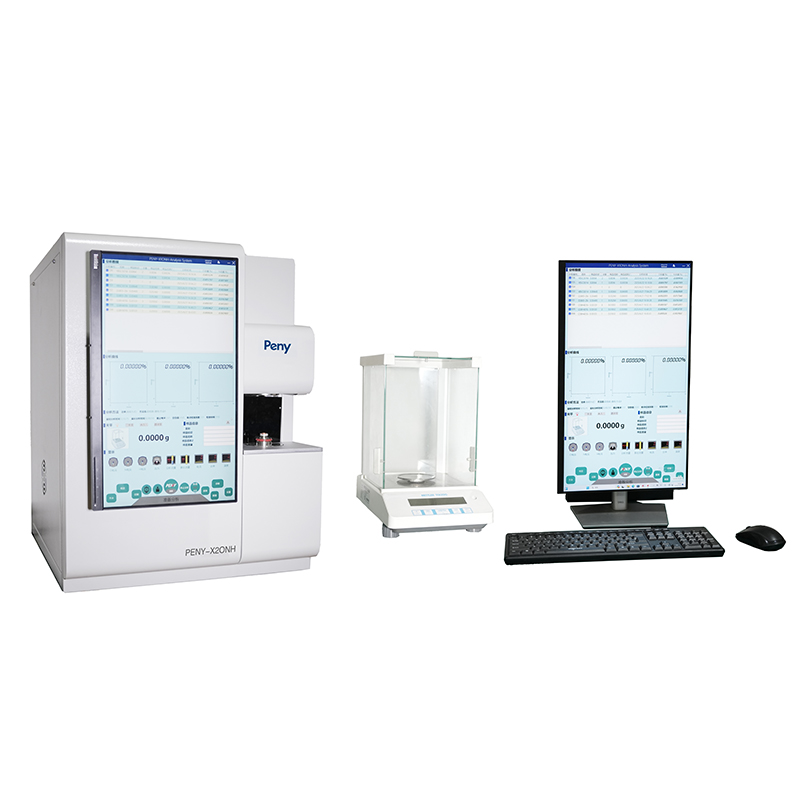
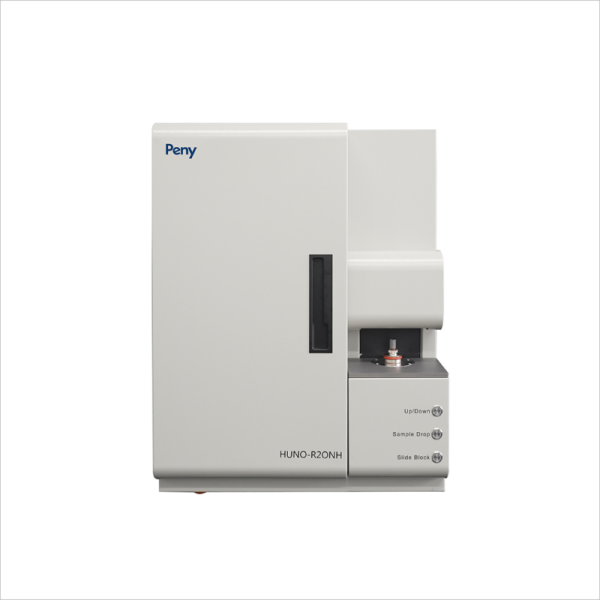
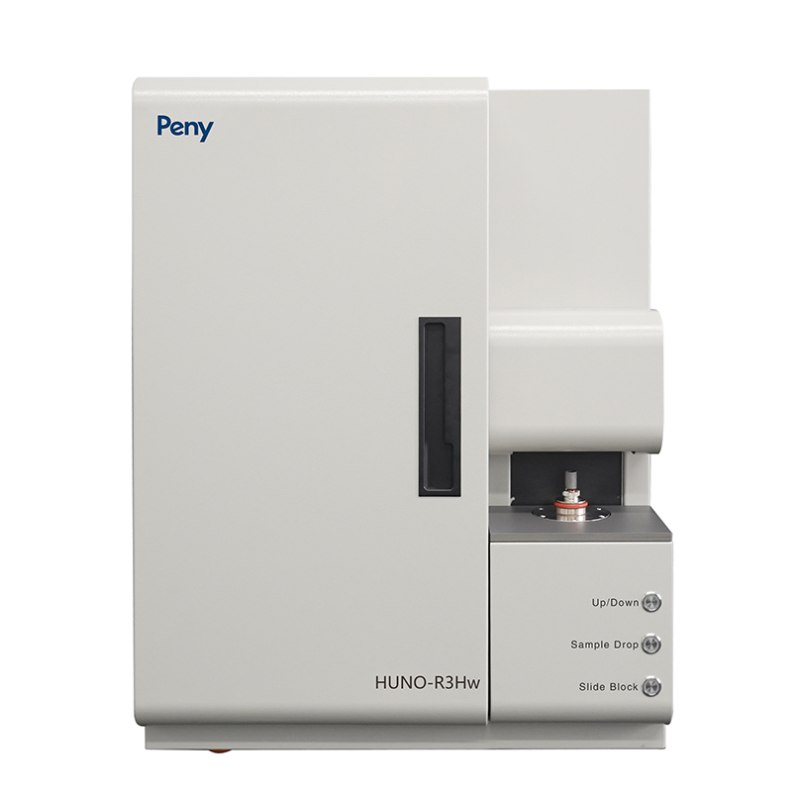
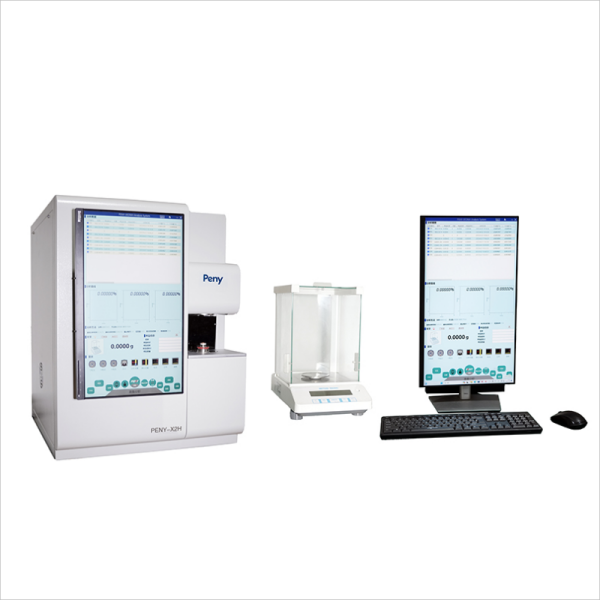
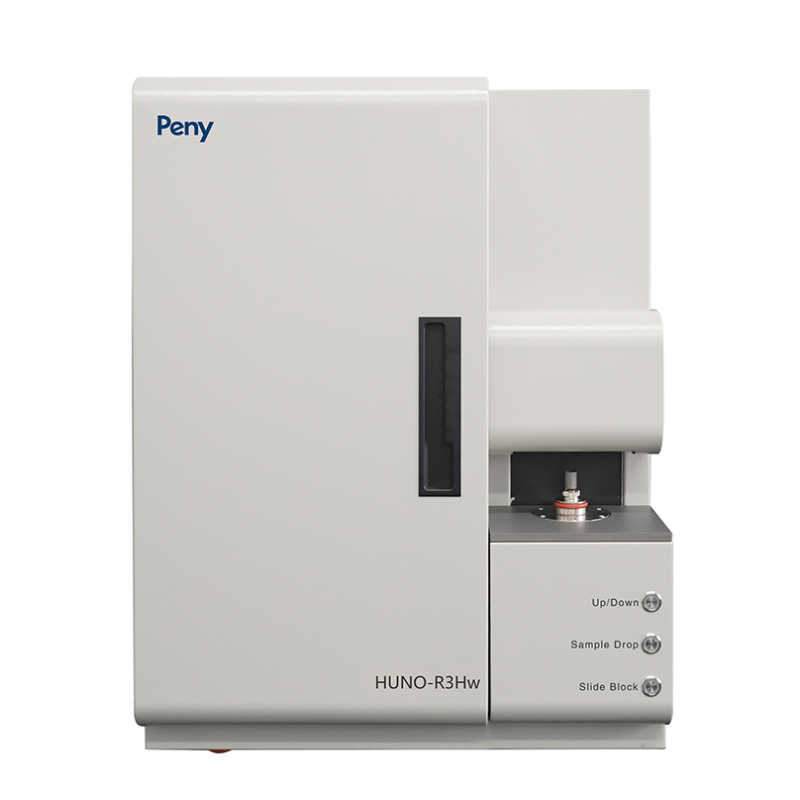
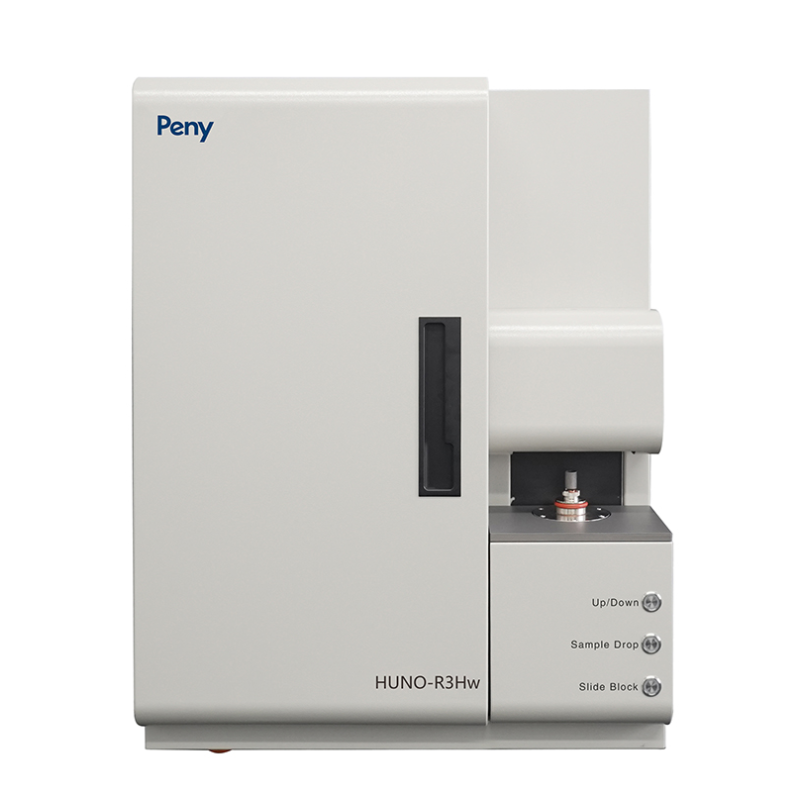
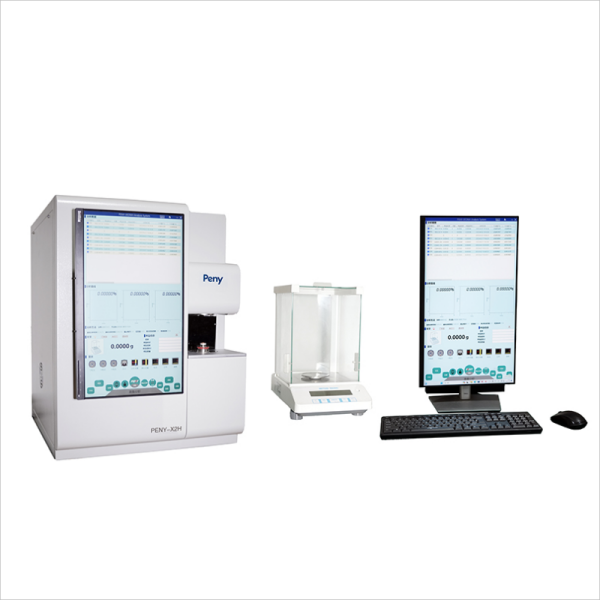
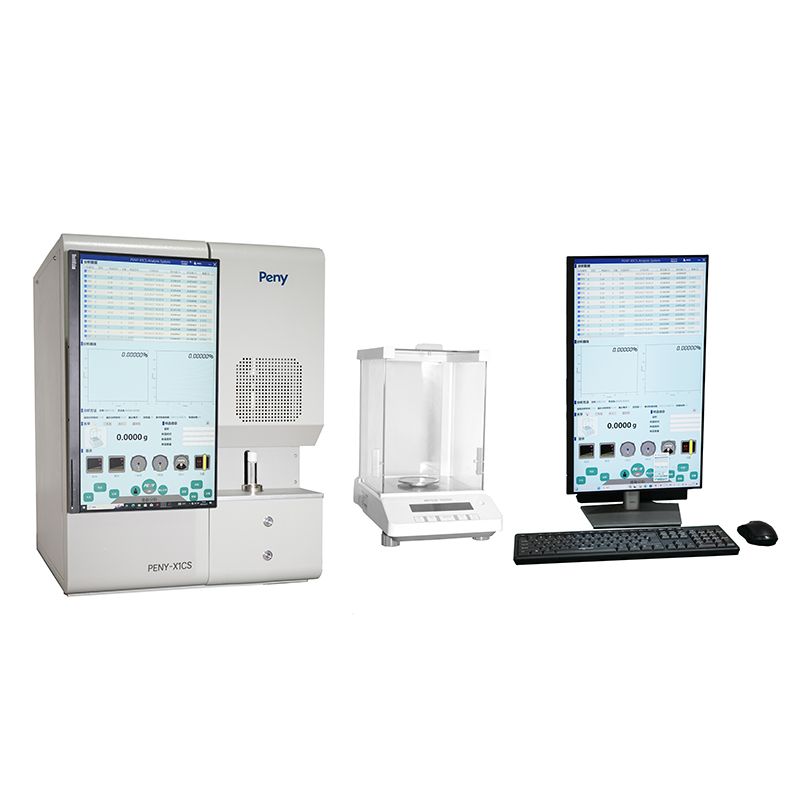
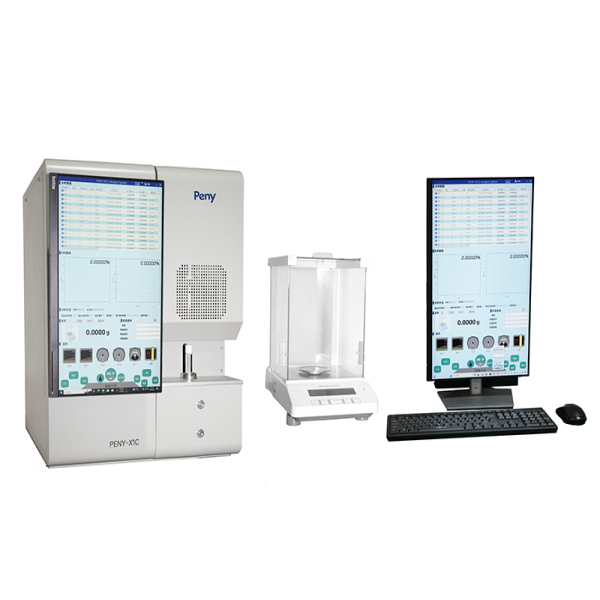
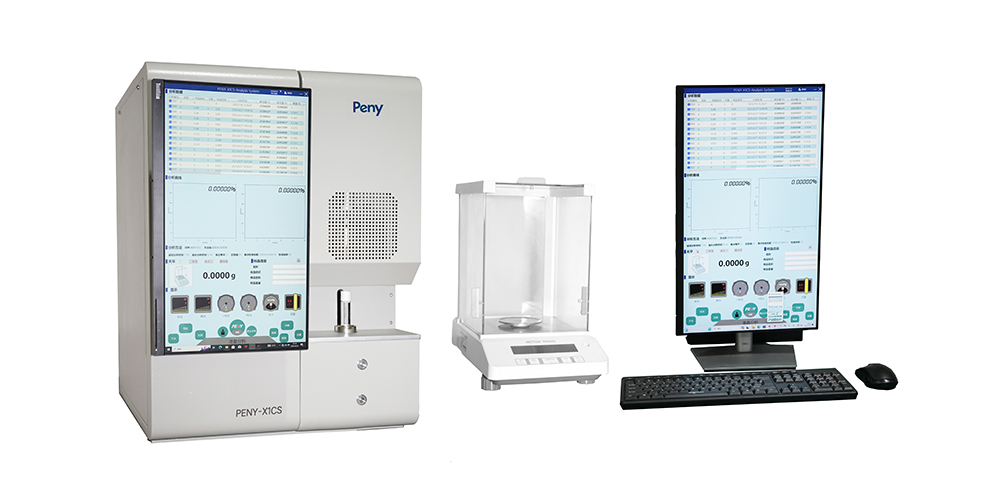
The carbon sulfur analyzer utilizes a high-frequency induction furnace coupled with an infrared detection system, enabling rapid and accurate determination of the total content of carbon and sulfur elements in various materials such as steel, cast iron, ferroalloys, ores, pure metals, ceramics, rare earth metals, slag, and catalysts. Our company’s carbon/sulfur analyzer is a newly launched instrument with strong practicality. Its advantages include an advanced infrared detection unit design, a fully automatic dual-brush cleaning device, and a six-axis adjustable touch screen. Following are some methods of how to avoid common faults through routine maintenance.
(1) Combustion tube
Disassemble the combustion assembly, inspect and clean it, and apply a thin layer of silicone grease to the O‑rings of the combustion tube. Replace the O‑rings if cracked.
When alloy or ore samples are combusted, a large amount of dust tends to deposit on the inner wall of the combustion tube. During the combustion of ferrochrome and similar samples, some molten slag splatters inside the combustion tube. Once dust and slag accumulate to a certain thickness, the combustion tube gradually alloys and may crack or burst.
(2) Automatic cleaning burner head
Pull out the automatic cleaning burner head, brush off and wipe clean dust from the assembly. Extend the rotating brush, clean the oxygen lance inlet between the two O‑rings, inspect the O‑rings and apply silicone grease, then check whether the brush is intact.
The automatic cleaning burner head assembly must be maintained before each sample analysis; otherwise, the oxygen lance inlet is prone to clogging by dust, which affects test results. Meanwhile, the O‑rings can be abraded by dust particles, causing slow system leakage.
(3) Dust filter
Remove the dust filter and its O‑ring. Soak in dilute nitric acid (5%) for 5 min, then ultrasonically clean for 10 min, rinse with clean running water for 2 min, and blow dry before reuse.
Clean dust from the filter when the pressure difference between the upstream and downstream pressure gauges exceeds 0.5 psi (0.003 MPa). Replace it with a cleaned dust filter if the release curve shows tailing or abnormal measured values occur.
(4) Maintenance of purification and filtration assembly
① Clean or replace the air filter promptly when dust accumulates;
② Replace the copper oxide in the inlet purification tube when exhausted;
③ Replace the filler in the gas scrubber tube if magnesium perchlorate cakes, quartz wool discolors, or the sulfur peak tail rises;
④ Replace severely discolored particulate filters to avoid shortening detector life;
⑤ Regularly inspect the dust collector and vacuum filter screen to prevent dust from blocking the gas path.
