
Sulfur in cement may exist in two forms: one is sulfate, which is the primary form, introduced by the added gypsum as a retarder to adjust the setting time of cement. The second is sulfide. The addition of active admixtures also brings in some sulfate and a small amount of sulfide.
The product standard for general Portland cement clearly stipulates that the initial setting time of cement shall not be less than 45 minutes, mainly to ensure that cement does not set too quickly during mixing, transportation, vibration, and masonry in construction, which would otherwise affect construction operations.
However, excessive gypsum content will reduce the strength of hardened cement paste and affect the soundness of cement. According to the product standard for general Portland cement, the sulfate content (expressed as SO₃) in Portland blast-furnace slag cement shall not exceed 4%, while that in other types of cement shall not exceed 3.5%.
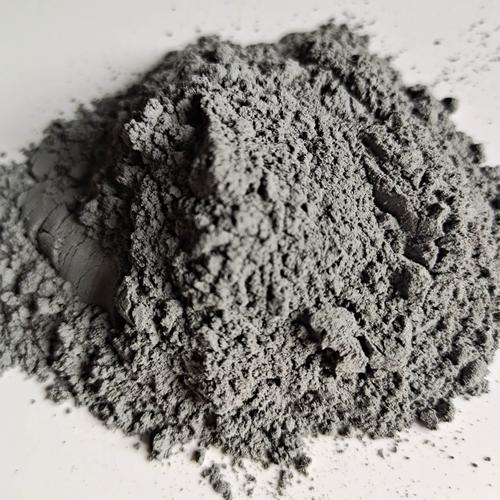
A high-frequency furnace generates a high-frequency electromagnetic field through an electron tube oscillating circuit, inducing eddy currents in the sample, which in turn generates heat, causing the sample to rapidly heat up and melt. When the sample is burned in the high-frequency furnace, the sulfur elements it contains are oxidized to produce sulfur dioxide, which is introduced into an infrared detector with oxygen as the carrier. Sulfur dioxide has a selective absorption of infrared rays, with its maximum absorption wavelength located at 7.35 μm, and it obeys the absorption law of light, known as the Lambert-Beer law. The electrical signal generated by the infrared detector is amplified and then processed by a computer for data analysis, and finally the analysis results are displayed.
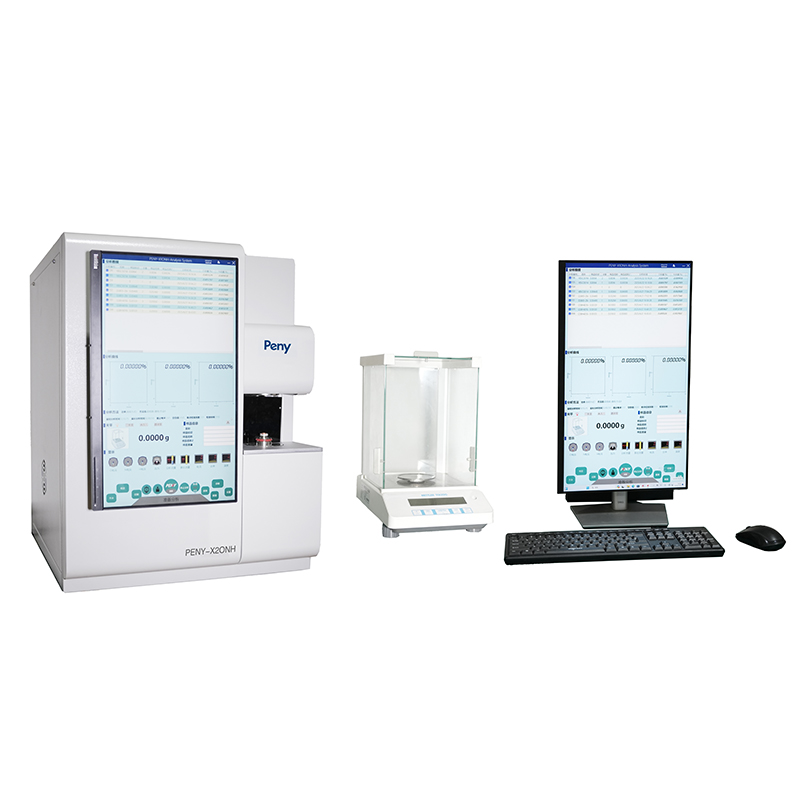
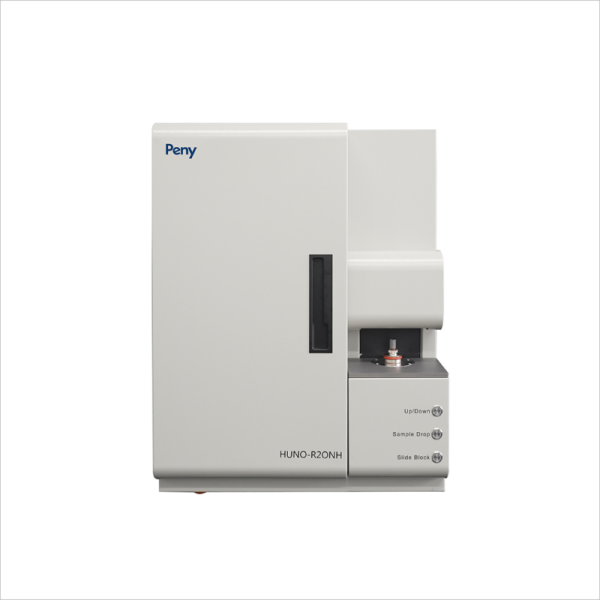
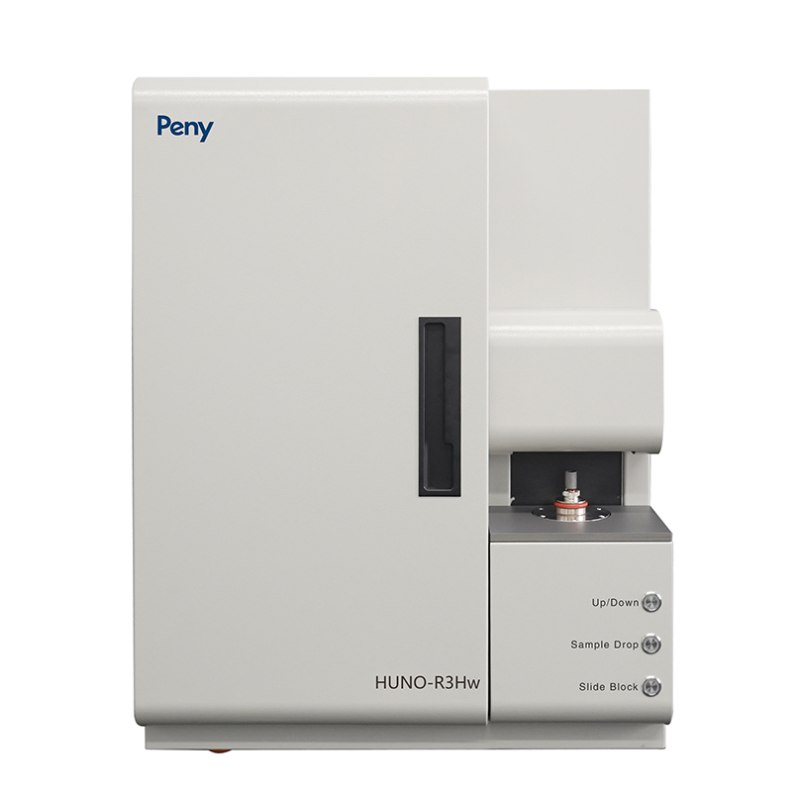
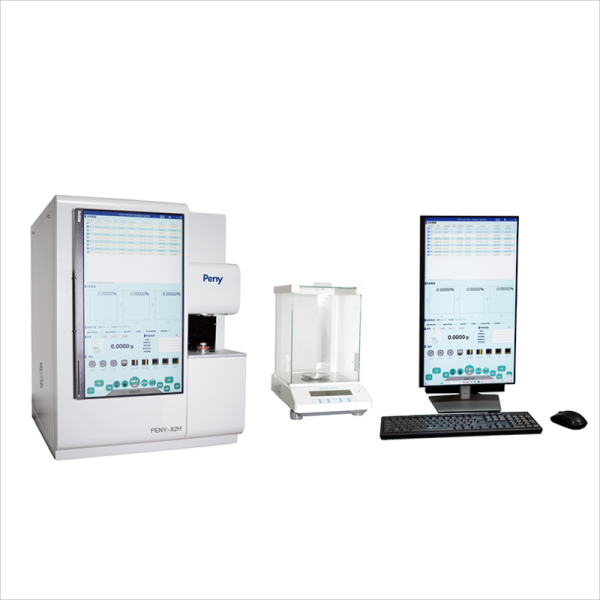
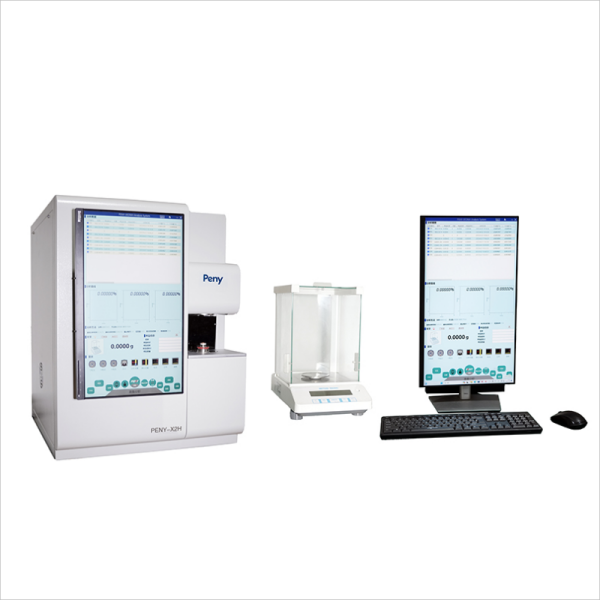
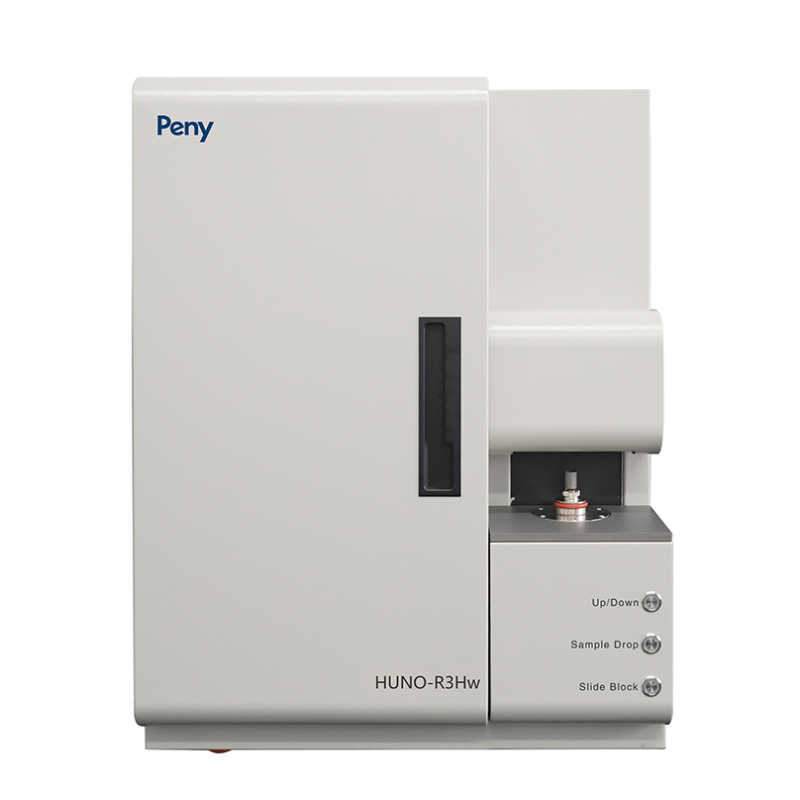
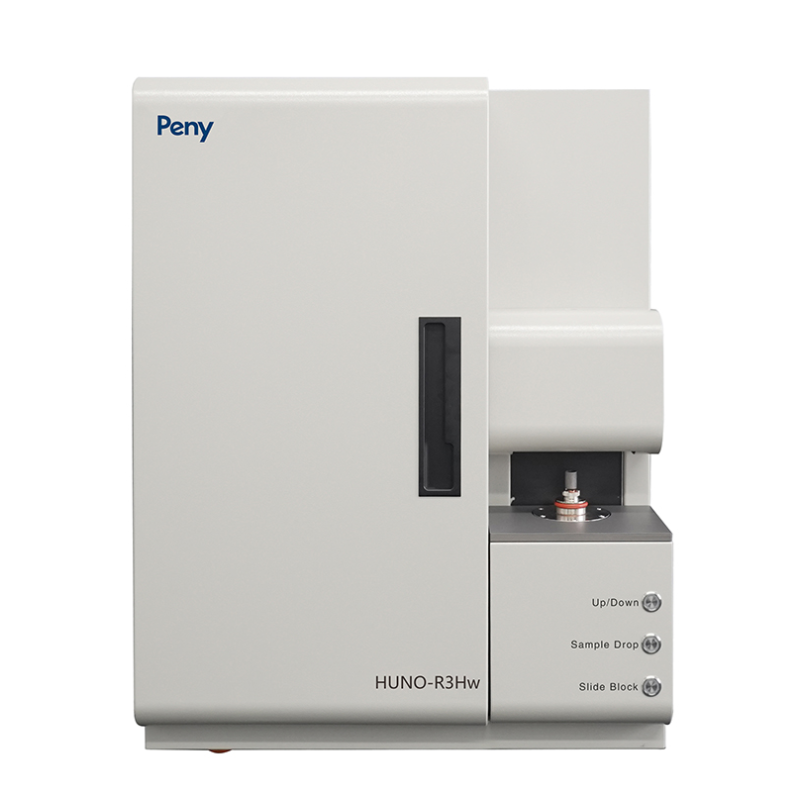
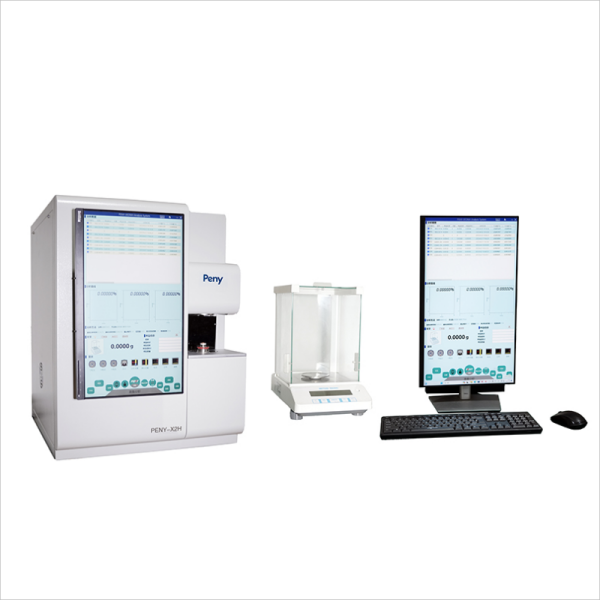
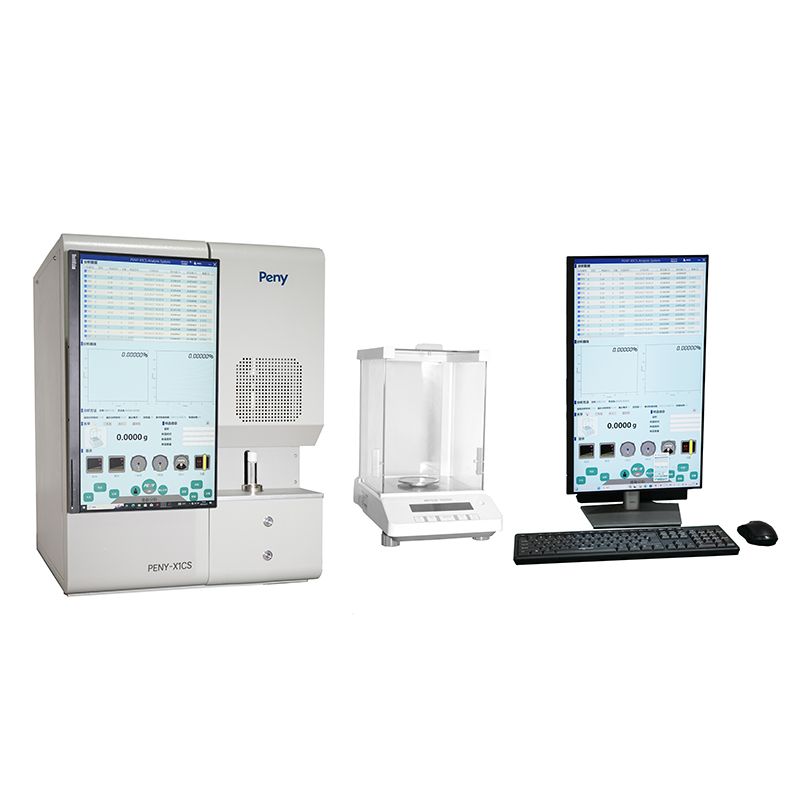
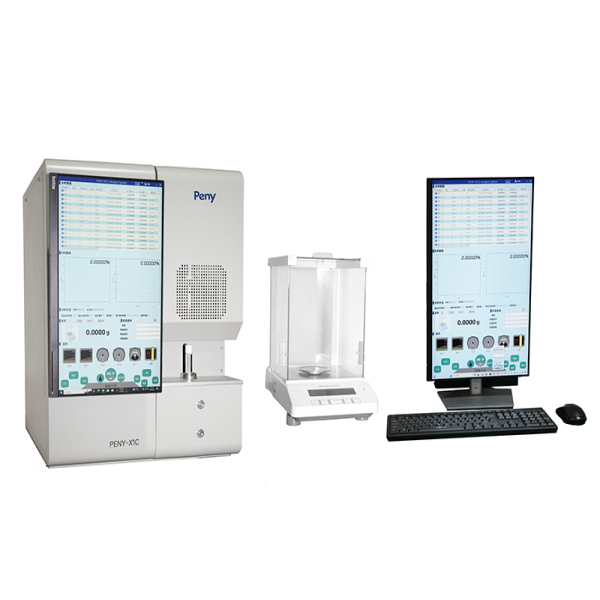
PENY-X1CS High-Frequency Infrared Carbon-Sulfur Analyzer: Supply voltage (220±5%) V, 50 Hz, and equipped with an electronic balance with an accuracy of 0.0001 g. The sulfur analysis range is 0.00001% to 5%. The required ambient temperature is 15~35 ℃.
The ceramic crucible dedicated for the carbon sulfur analyzer should be burned in a muffle furnace at 1200℃ for 4 hours before the test to eliminate the influence of the blank crucible on the measurement results. After cooling to room temperature in a dryer, it can be used for future reference.
The samples selected for testing were GSB 08-1532-2003 white Portland cement standard sample (with a sulfur trioxide content of 1.90% and a sulfur content of 0.76%) and ordinary Portland cement sample (with a sulfur trioxide content of 2.84% and a sulfur content of 1.14%). The sample weights were 0.03 g, 0.05 g, 0.10 g, and 0.15 g, respectively. The fluxing agents chosen were 2 g of tungsten-tin flux and 0.4 g of pure iron flux. Three parallel experiments were conducted for samples with different sample weights, and the average values were taken to plot curves representing different sample weights versus sulfur content. Using the test results of the standard samples, curve graphs were drawn for the three parallel results at the same sample weight to analyze data stability.
