
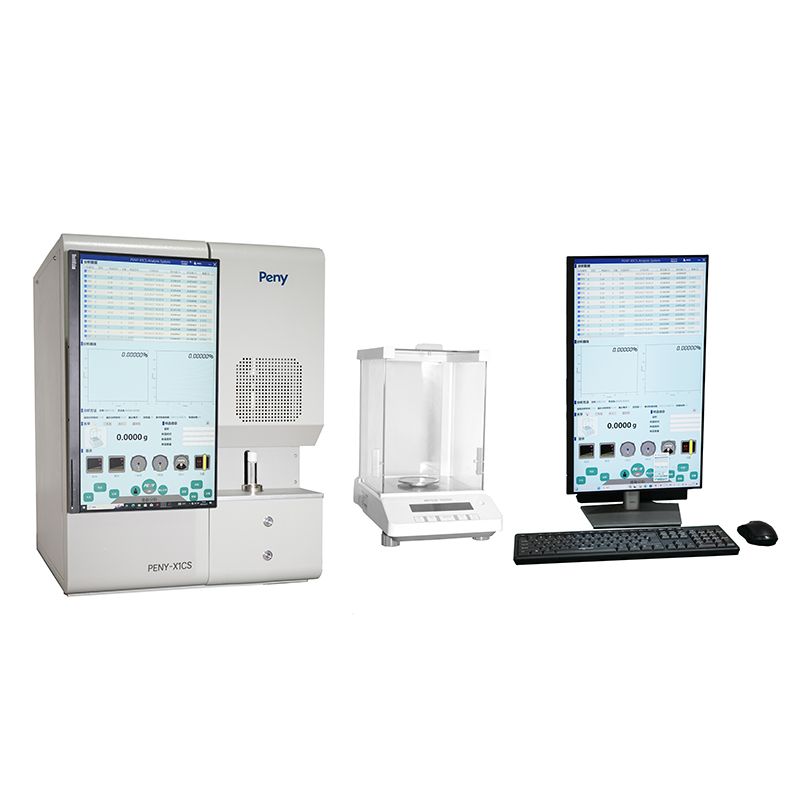
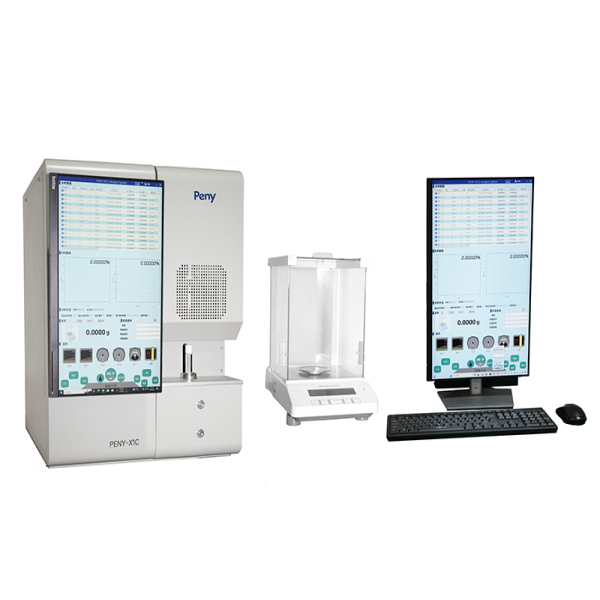
Adding appropriate sulfides to steel can enhance its cutting, processing, and magnetic properties. However, excessive sulfur can deteriorate the mechanical properties of steel. Therefore, sulfur is a key element to be tested in steel, and accurately determining its content is crucial for ensuring the quality of steel.
In recent years, due to the research and development of high-performance alloys and the improvement of smelting processes, higher requirements for sulfur content in alloys (less than 0.0001% by mass) have been put forward. The determination methods of sulfur content in alloy steel include weighing method, turbidimetric method, tube furnace combustion method, X-ray fluorescence spectrometry, and inductively coupled plasma emission spectrometry. However, these methods are cumbersome to operate and require long experimental time, making them difficult to adapt to the detection and analysis of a large number of samples. Therefore, it is imperative to develop a high-precision, high-sensitivity, and low-cost carbon-sulfur detection technology.
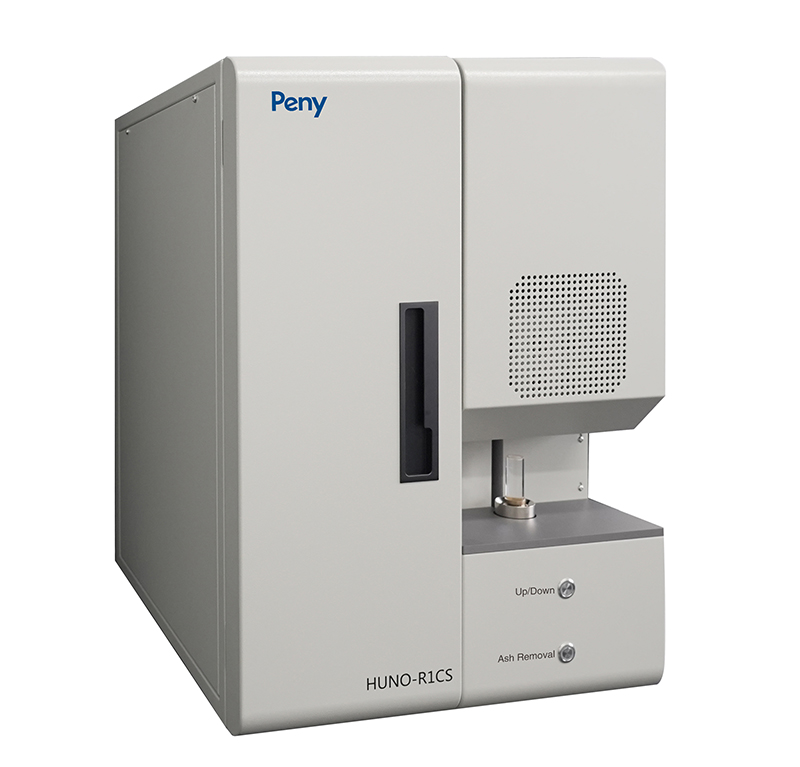
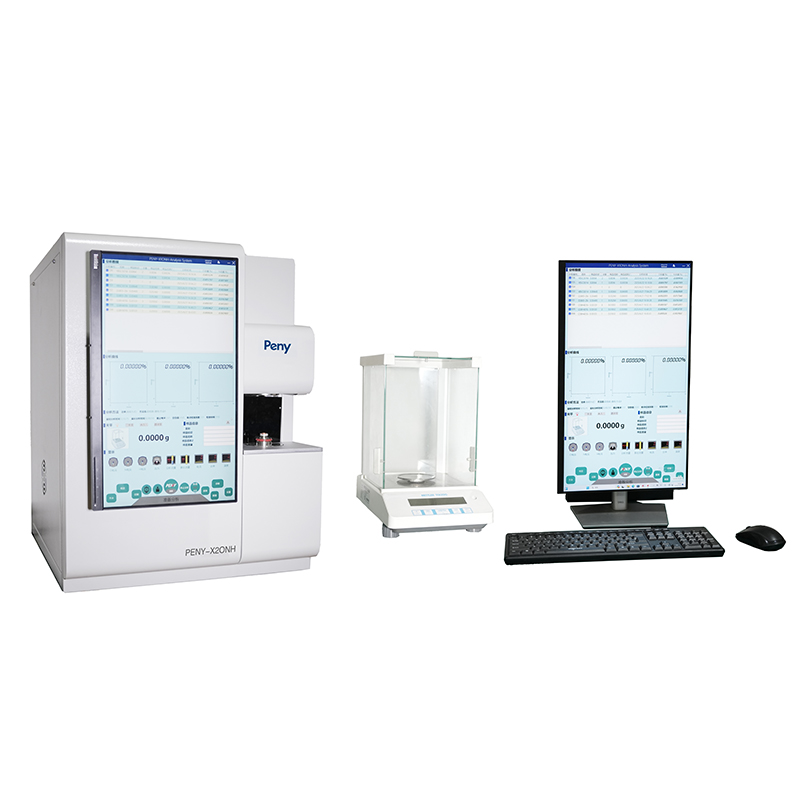
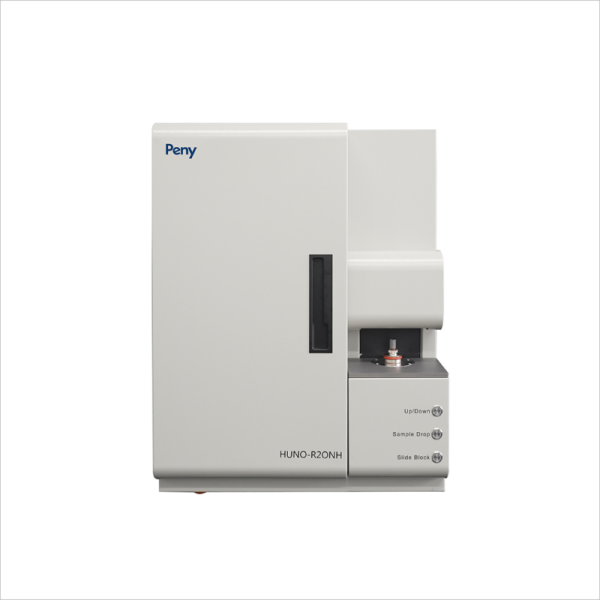
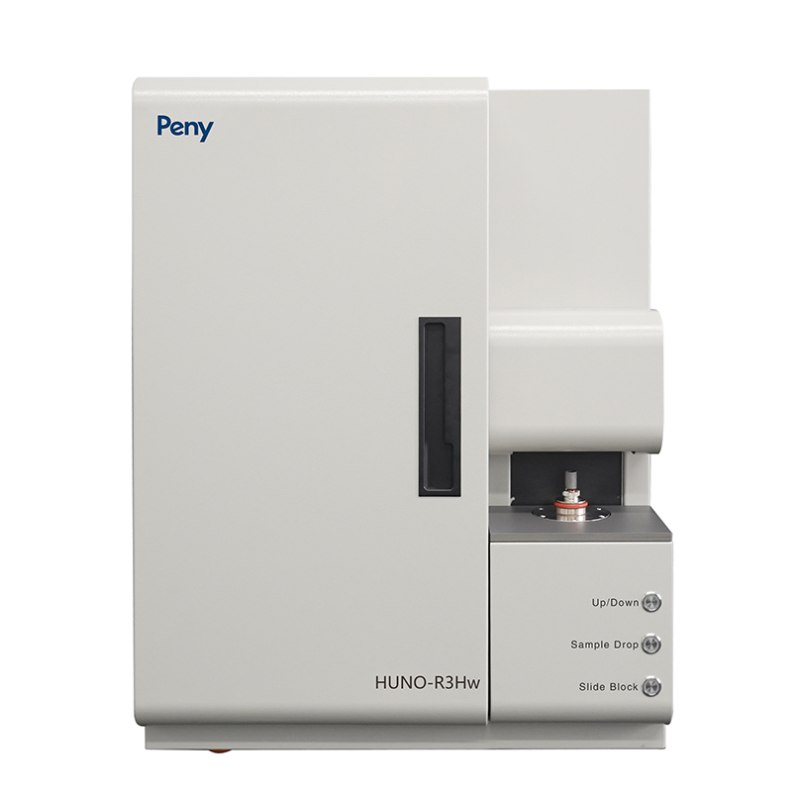
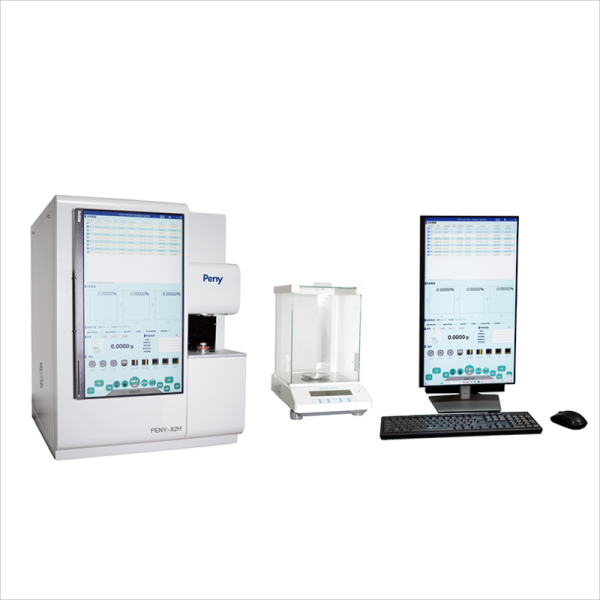
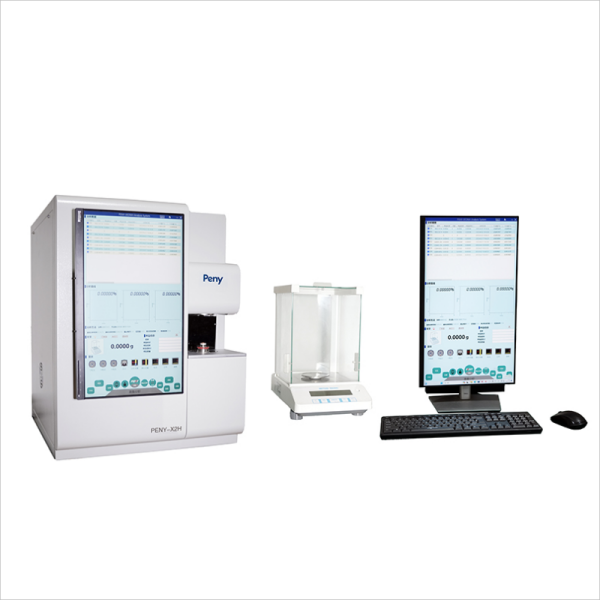
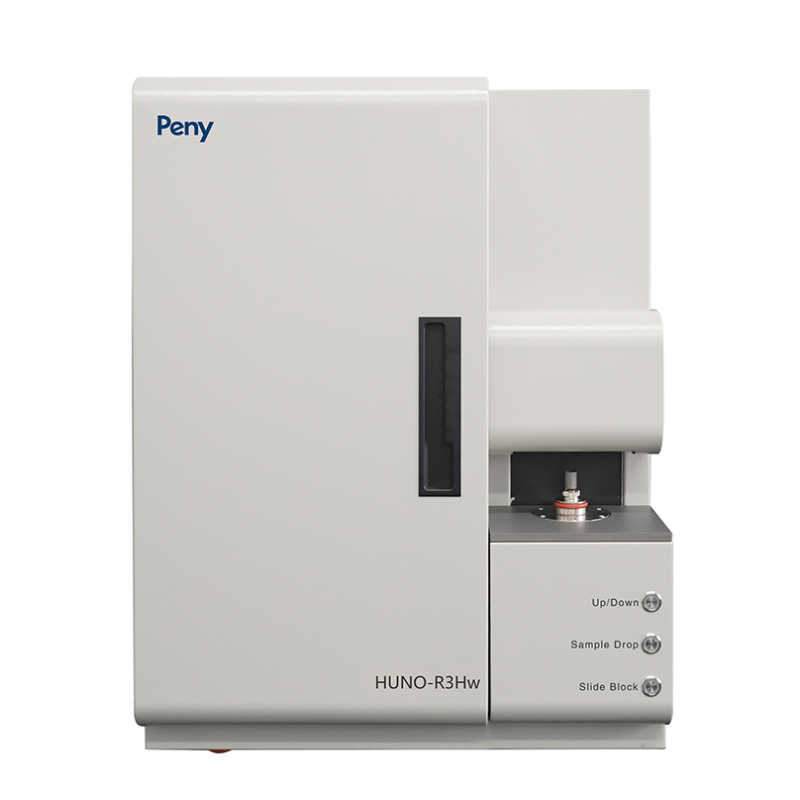
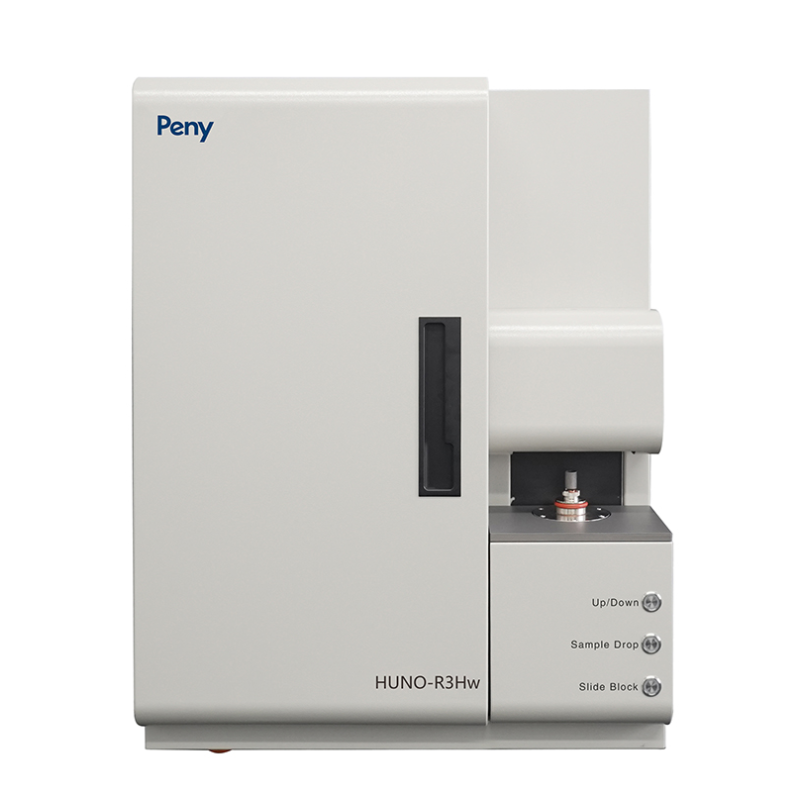
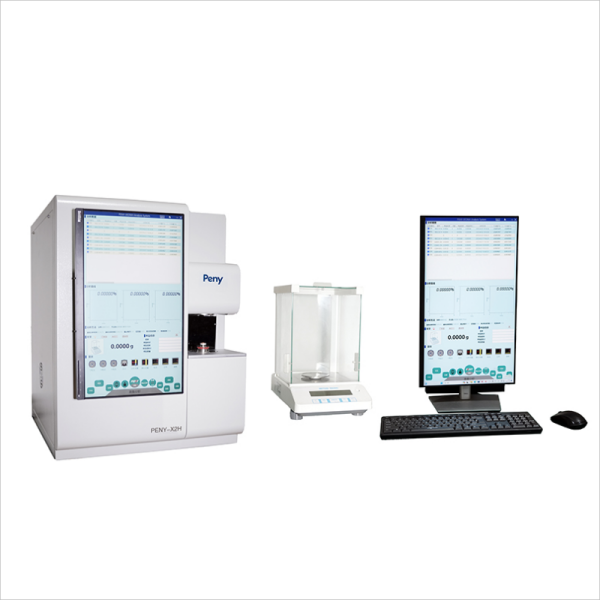
Currently, the determination of carbon and sulfur content in steel using a high-frequency infrared carbon-sulfur analyzer (referred to as a carbon-sulfur analyzer) is a conventional method, characterized by high efficiency and low cost. During the analysis process using the carbon-sulfur analyzer, the phenomenon of sulfur content measurement results being on the lower side often occurs. Through experiments, the author optimized testing conditions such as sample quality, flux type, ratio, and addition sequence, and established a stable and accurate testing method for determining sulfur content in alloy steel using a high-frequency infrared carbon-sulfur analyzer.
In addition to the impacts caused by raw materials and production processes, the surface of ceramic crucibles is highly susceptible to absorbing moisture, carbon dioxide, sulfur dioxide, and other gases. During combustion, the moisture absorbs a certain amount of heat and then vaporizes, which can absorb sulfur dioxide and thus reduce its conversion rate. Therefore, the crucible must first be placed in a TF2 tubular furnace and burned at 1300℃ for 2 to 4 hours. When using a carbon sulfur analyzer, the burning temperature should be maintained at 1300℃ at all times to minimize the impact of the ceramic crucible. Additionally, factors such as the use of oxygen, nitrogen, fluxing agents, operation, and setting procedures have a certain impact on the experimental results, so a blank test is necessary.
