
At present, the main methods for the determination of sulfur content in minerals include gravimetric method, spectrophotometry, EDTA titration, direct barium chloride titration, ion chromatography, ion-selective electrode method, inductively coupled plasma optical emission spectrometry (ICP-OES), infrared carbon-sulfur analysis, combustion-iodometric method, barium sulfate gravimetric method, and so on.
The gravimetric method involves a long experimental process and large errors in the determination of low-content sulfur.
The iodometric method and ion-selective electrode method require complex experimental setups.
Spectrophotometry and titration involve many reagents and cumbersome solution preparation.
Ion chromatography tends to produce positive errors due to the presence of fluorine, chlorine, and phosphorus in samples, and is only suitable for low-content sulfur analysis.
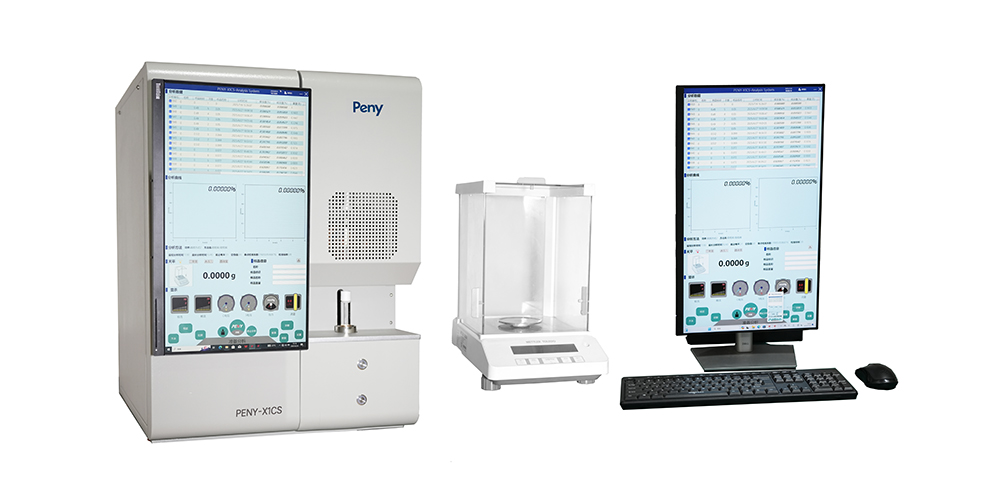
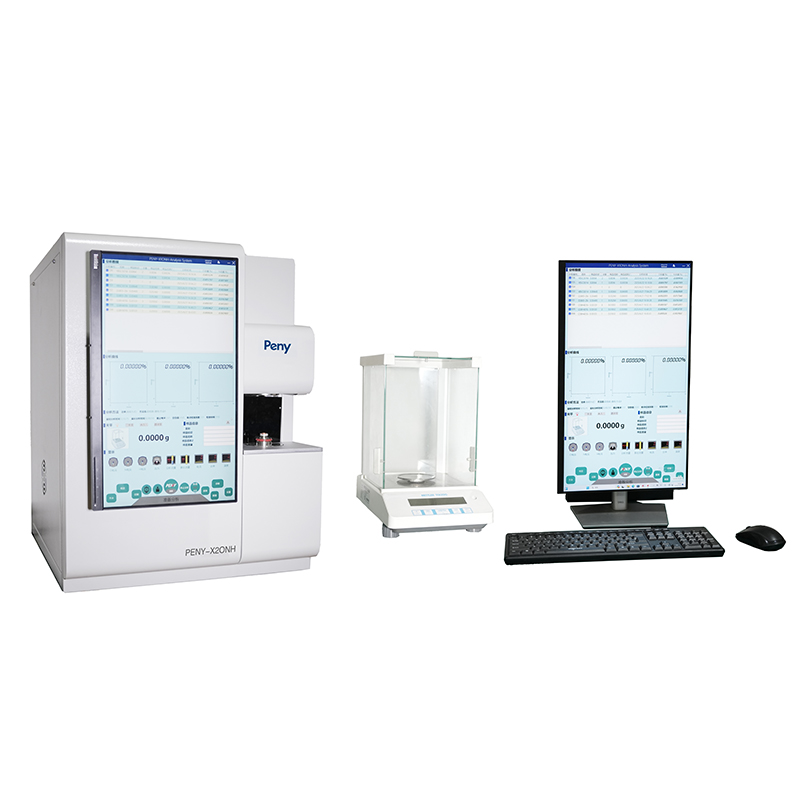
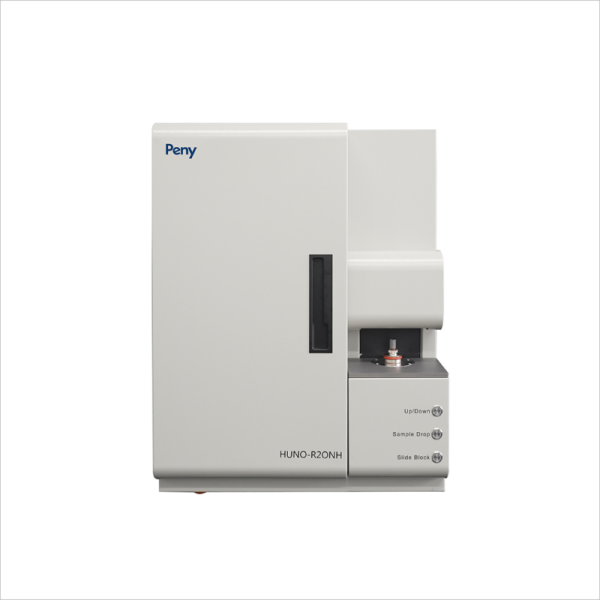
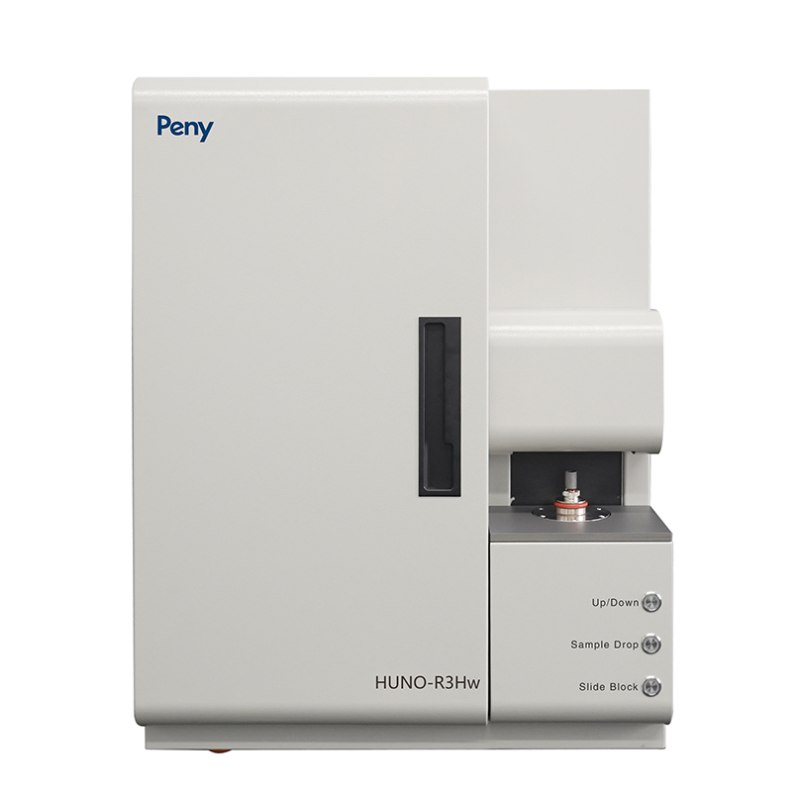
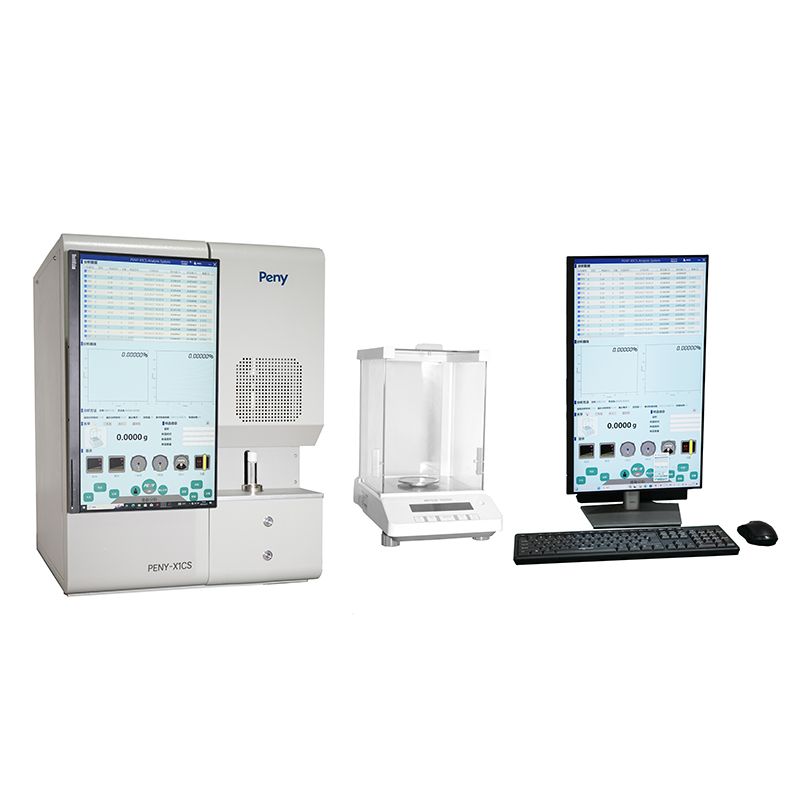
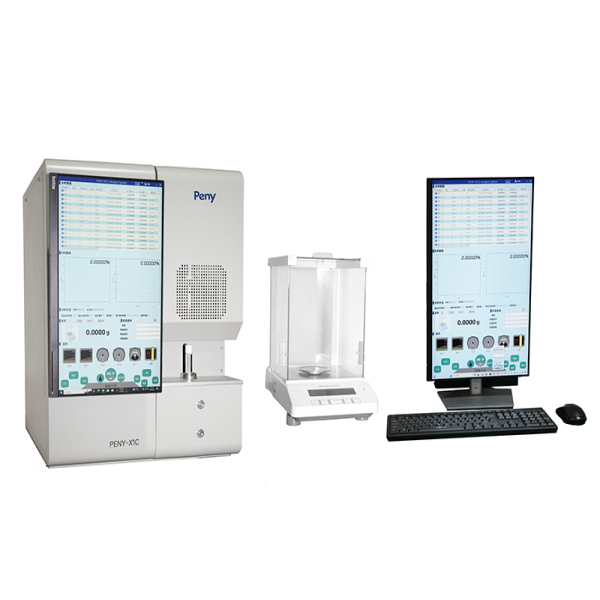
Compared with the above methods, the determination of sulfur content in various minerals using a high-frequency infrared carbon-sulfur analyzer is characterized by simple operation and high speed
In the 1980s, China began to introduce and develop high-frequency infrared carbon-sulfur analyzers, which were mainly used for material analysis in industries such as iron and steel and non-ferrous metals.
From the 1990s to the early 2000s, with technological progress and expanding market demand, the measurement accuracy, speed and stability of high-frequency infrared carbon-sulfur analyzers were significantly improved, and their application fields were gradually extended to petroleum, chemical engineering, porcelain manufacturing and other industries. At present, the high-frequency infrared carbon-sulfur analyzer industry has formed a relatively complete industrial chain, and is favored by the testing industry for its advantages such as fast analysis speed, high accuracy, simple operation and high degree of automation. Meanwhile, this method has strong adaptability to samples and is widely used for carbon and sulfur analysis of materials including iron and steel, non-ferrous metals, ceramics, cement, ores and coal.
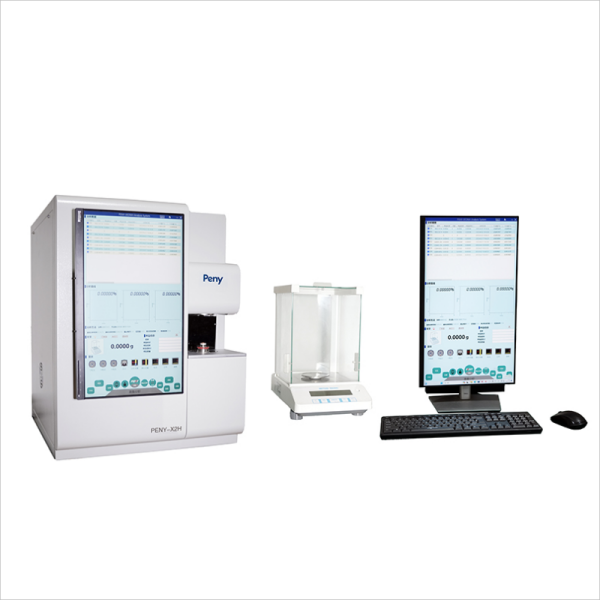
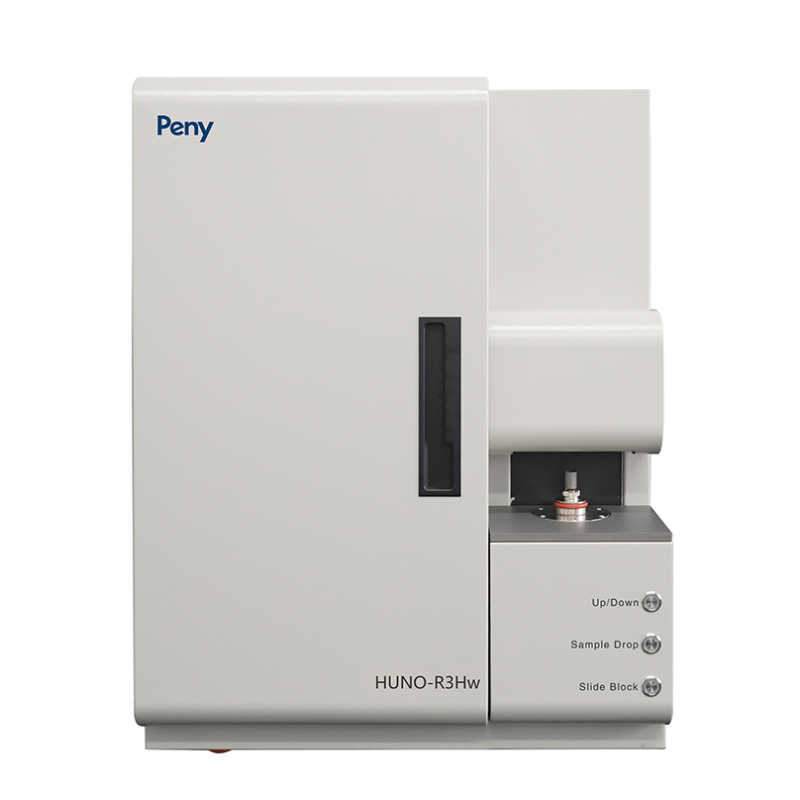
In this paper, diatomite is taken as the research object. The sample weight, detection limit, precision and accuracy of the method for determining sulfur content by high-frequency infrared carbon-sulfur analyzer (CS-8800C) are investigated, so as to verify the feasibility of this method in diatomite ore.
Working Principle
The core component of the Model CS-8800C high-frequency infrared carbon-sulfur analyzer is the pyroelectric sensor, which is an intelligent infrared analysis and measurement instrument. Sulfur dioxide and carbon dioxide gases exhibit strong infrared absorption characteristics. After the two gases are absorbed, the volume fractions of sulfur dioxide and carbon dioxide are determined by measuring the change in light intensity, thereby indirectly analyzing the contents of various elements in the mineral sample.
Polar molecules such as carbon dioxide and sulfur dioxide possess permanent electric dipole moments and undergo rotational and vibrational transitions. According to quantum mechanical energy levels, the incident infrared radiation of characteristic wavelengths interacts with these molecules to form a mutual absorption process. Lambert-Beer law, as shown in Equation (1), fully describes this absorption behavior:
I = I0exp(-aPL).
Where:
- I0 — incident light intensity;
- I — transmitted light intensity;
- a — absorption coefficient;
- P — partial pressure of the gas;
- L — length of the analysis cell.
A mineral sample of 0.040–0.050 g is weighed into a ceramic crucible, followed by adding 0.2 g of pure iron flux and 1.5 g of pure tungsten flux. The crucible is then placed into the combustion chamber.
In the first stage, the oxygen purging phase: the corresponding solenoid valve is opened, and oxygen is introduced into the pipeline according to the instrument analysis sequence to effectively remove sulfur dioxide gas in the pipeline. When the gas concentration in the pipeline approaches zero, the partial pressure of the measured gas is also close to zero. At this point, the collected signal is set as the reference signal V0 under the oxygen-only condition.
In the second stage, the combustion and release phase: the high-frequency furnace is activated, and the mineral sample is rapidly heated and oxidized under high-temperature and oxygen-rich conditions to form SO₂ gas. Linear calibration is performed on each data point. After the analysis is completed, the linearly calibrated data are calculated, and the blank value is deducted to obtain the mass percentage of sulfur in the sample.
