
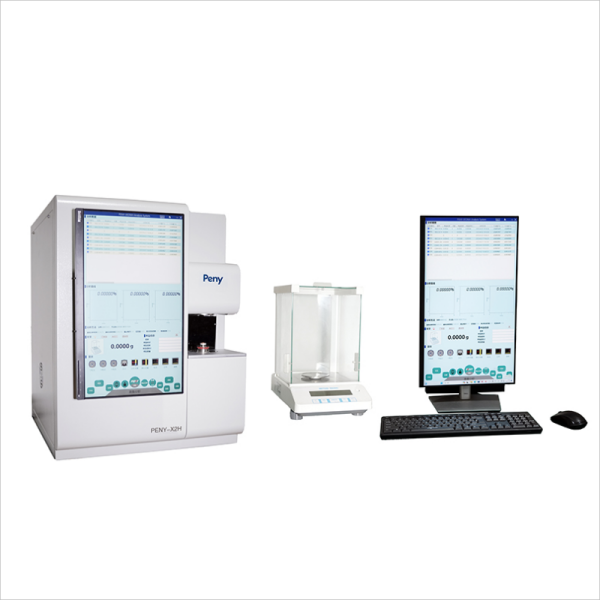
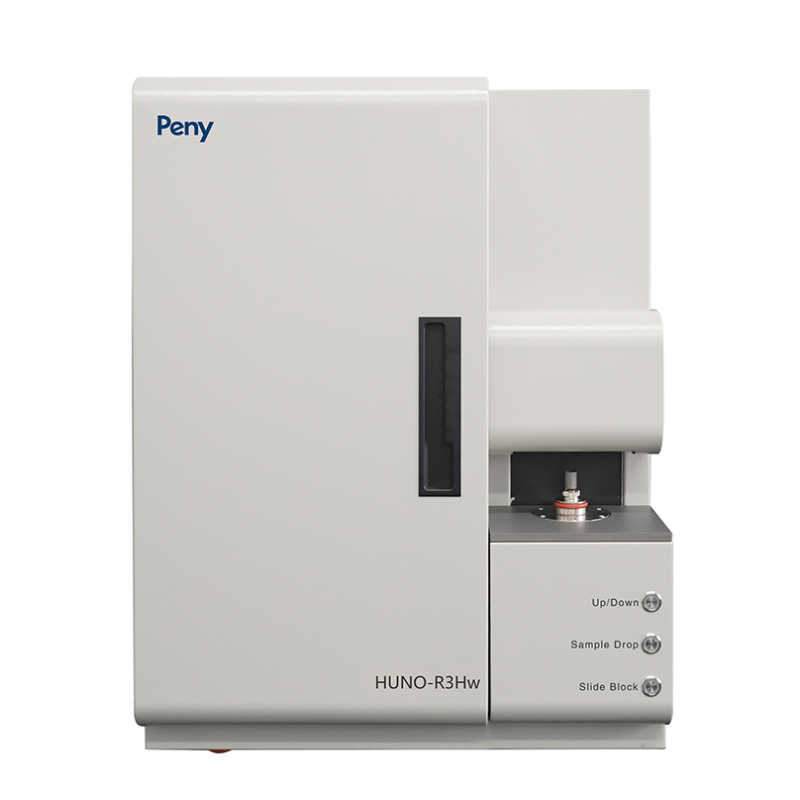
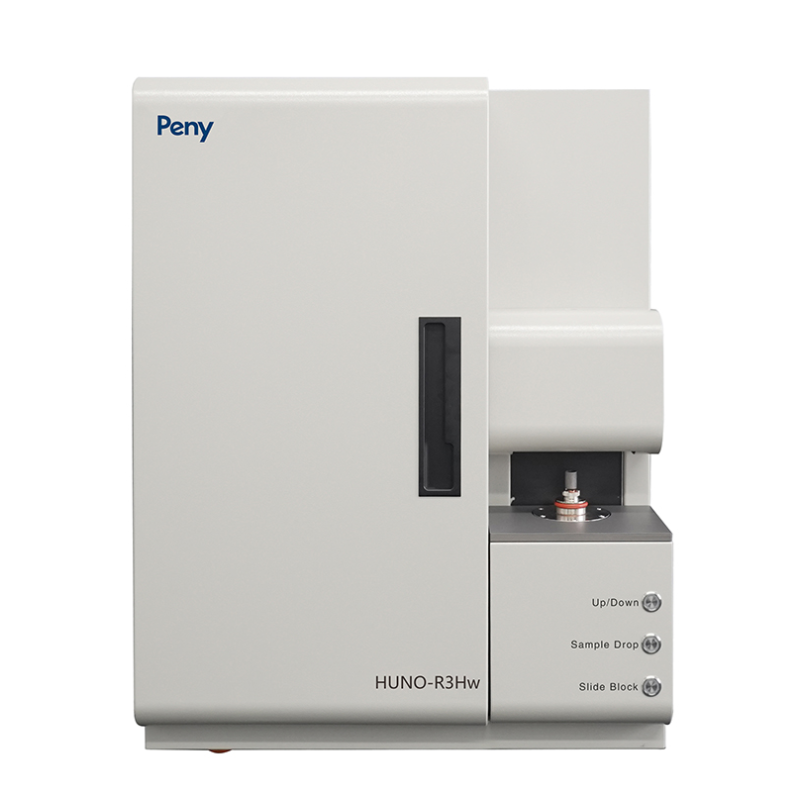
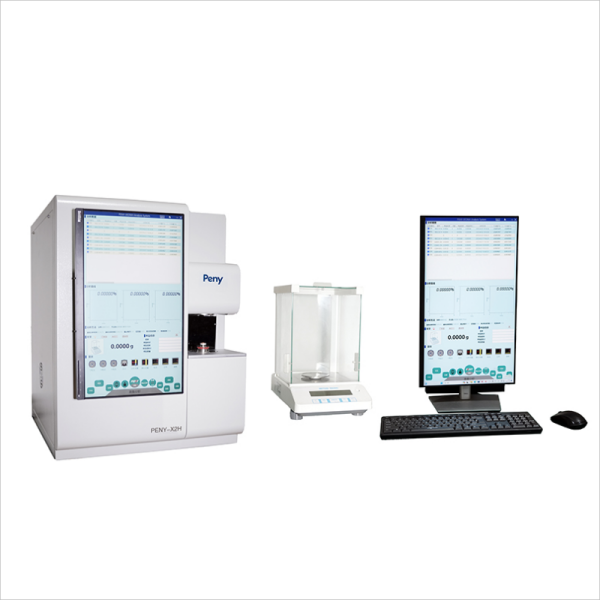
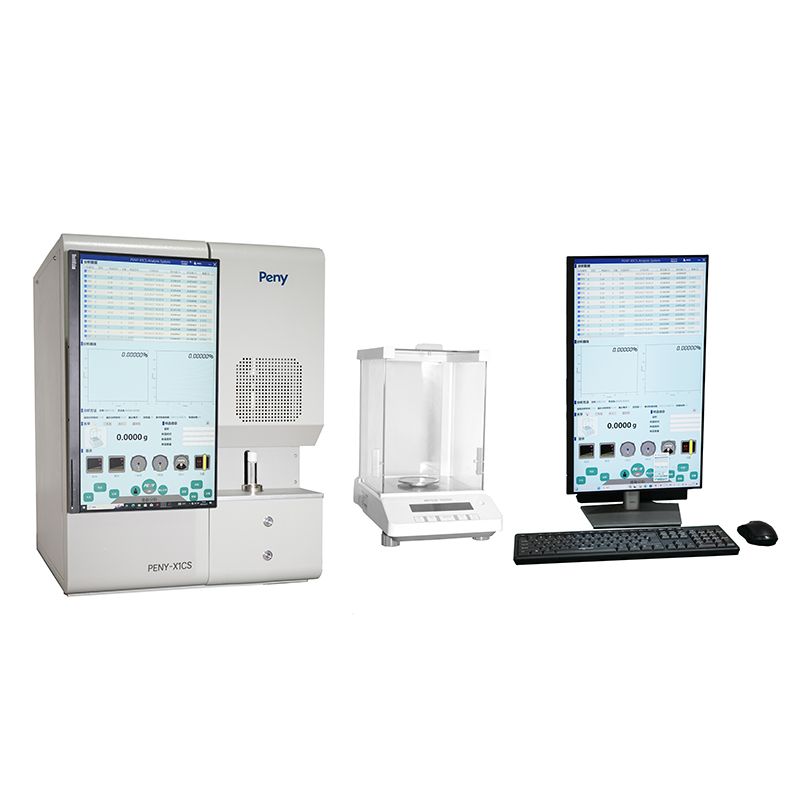
Imagine this: You're a lab manager at a semiconductor fab in Austin, Texas. Your ICP-MS has been running a batch of high-purity silicon wafers for three hours when the signal suddenly drifts. You lose the entire run—$500,000 in wafers, plus eight hours of technician time. The root cause? A simple calibration drift that your spectrometer's outdated design couldn't compensate for. This is the reality for many labs using legacy ICP technology. But what if I told you that the right ICP spectrometer could save you millions in lost production and rework? Let's dive in.
Pain Point 1: Calibration Drift and Signal Instability
In high-throughput environments, calibration drift is a silent profit killer. For example, a pharmaceutical QC lab in Basel, Switzerland, reported that 12% of their ICP-OES runs required reanalysis due to drift—costing them over €200,000 annually in reagents and overtime. The root cause: thermal instability in the plasma torch and detector. When the plasma temperature fluctuates, emission intensities shift, leading to false positives or negatives. The impact extends beyond direct costs: delayed batch releases, regulatory compliance risks, and lost customer trust.
Solution: Advanced Plasma Stabilization
Peny Scientific Instruments (Nantong) Co., Ltd. addresses this with a proprietary dual-coil plasma generator that maintains temperature stability within ±0.1°C. Combined with a real-time drift correction algorithm using internal standards, our ICP-5000 series reduces recalibration frequency by 70%. In the Basel pharma lab, after switching to our system, reanalysis rates dropped to 2%, saving €180,000 per year.
Pain Point 2: Matrix Interference in Complex Samples
Matrix effects are a nightmare for labs analyzing geological samples or wastewater. A mining company in Western Australia struggled with iron-rich ore samples that caused severe polyatomic interferences on arsenic and selenium measurements. Their ICP-MS required manual dilution and correction, adding 30 minutes per sample and increasing the risk of human error. Over a year, this cost them $150,000 in lost productivity and $50,000 in reanalysis.
Solution: Collision/Reaction Cell Technology
Our ICP-MS series features a helium collision cell with kinetic energy discrimination (KED) that reduces polyatomic interferences by 99.9%. For the mining company, this eliminated the need for dilution—cutting analysis time per sample from 45 to 10 minutes. They now process 200 samples per day instead of 80, boosting annual throughput by 150%.
Pain Point 3: High Maintenance and Downtime
An environmental testing lab in Toronto, Canada, reported that their old ICP-OES required weekly torch cleaning and quarterly replacement of peristaltic pump tubing—costing $20,000 per year in consumables and 15% downtime. The lab manager, Sarah, said, "We were spending more time maintaining the instrument than running samples."
Solution: Robust Design and Low-Maintenance Components
Peny's ICP-5000 uses a ceramic torch with a lifetime warranty and a digital peristaltic pump that lasts 10,000 hours. The lab in Toronto reduced maintenance costs to $3,000 per year and increased uptime to 98%. Sarah added, "Since switching, we've saved over $50,000 annually and our technicians can focus on analysis."
Customer Case Studies
Case 1: Semiconductor Manufacturer, Hsinchu, Taiwan
Company: TSMC-affiliated fab. Challenge: Ultra-trace metal contamination in hydrofluoric acid. Solution: ICP-MS with collision cell. Result: Detection limits improved from 10 ppt to 0.5 ppt for 23 elements. Yield increased by 3%, saving $2 million per quarter. Quote from Dr. Lin, Process Engineer: "Peny's system gave us the sensitivity we needed to meet next-gen node requirements."
Case 2: Petrochemical Refinery, Rotterdam, Netherlands
Company: Shell refinery. Challenge: Analyzing trace metals in crude oil with high viscosity. Solution: ICP-OES with ultrasonic nebulizer and organic sample kit. Result: Sample preparation time reduced from 2 hours to 20 minutes. Annual savings: €300,000. Quote from Hans, Lab Supervisor: "The robustness of the ICP-5000 is unmatched. We now run 50 samples per shift instead of 10."
Case 3: Food Safety Lab, Chicago, USA
Company: Eurofins. Challenge: High-throughput screening of heavy metals in baby food. Solution: ICP-MS with autosampler and fast data acquisition. Result: Throughput increased from 100 to 500 samples per day. Cost per sample dropped by 60%. Quote from Maria, QA Manager: "Peny's system is a game-changer for our routine monitoring."
Case 4: Research Institute, Tokyo, Japan
Company: RIKEN. Challenge: Isotope ratio analysis for environmental studies. Solution: High-resolution ICP-MS with multicollector. Result: Precision improved to 0.005% for Sr isotopes. Quote from Dr. Tanaka: "The stability and resolution are exceptional."
Case 5: Water Treatment Plant, Sydney, Australia
Company: Sydney Water. Challenge: Monitoring trace metals in drinking water. Solution: ICP-OES with dual view. Result: Compliance reporting time reduced from 5 days to 1 day. Annual savings: $120,000. Quote from Steve, Operations Manager: "We trust Peny's system for critical public health data."
Applications and Partnerships
Our ICP spectrometers are used in semiconductor manufacturing (e.g., TSMC, Intel), pharmaceutical R&D (e.g., Novartis), environmental monitoring (e.g., US EPA labs), and petrochemical refining (e.g., ExxonMobil). We have strategic partnerships with Agilent for sample introduction systems and Thermo Fisher for data management software. These collaborations ensure our instruments integrate seamlessly into existing workflows.
FAQ
Q1: How does your ICP-MS handle high-matrix samples like seawater?
A: Our ICP-MS uses a high-dilution aerosol generator and a collision cell with KED to reduce matrix effects. For seawater, we recommend a 10-fold dilution and use of internal standards (e.g., Rh, Ir). The system can handle up to 0.5% total dissolved solids without clogging.
Q2: What is the warranty and service contract?
A: We offer a 3-year warranty covering parts and labor. Service contracts include annual preventive maintenance, priority phone support, and remote diagnostics. Response time for critical issues is within 24 hours.
Q3: Can your ICP-OES analyze organic solvents?
A: Yes, with our organic sample kit (including a chilled spray chamber and oxygen addition to the plasma). The ICP-5000 can handle solvents like xylene, kerosene, and methanol with detection limits comparable to aqueous solutions.
Q4: How do you ensure compliance with EPA methods?
A: Our instruments come with preloaded EPA method templates (e.g., 200.8, 6020B). We provide IQ/OQ protocols and validation support. The software logs all parameters for audit trails.
Q5: What is the typical ROI for switching to Peny?
A: Based on our customers, the payback period is 6-12 months. For a lab running 100 samples per day, savings from reduced consumables, lower downtime, and higher throughput average $150,000 per year.
Conclusion
Your current ICP spectrometer might be costing you millions in lost efficiency, reanalysis, and downtime. With Peny Scientific Instruments, you can achieve world-class stability, interference-free analysis, and minimal maintenance—backed by proven results from leading labs worldwide. Ready to transform your lab? Download our technical white paper on "Optimizing ICP-MS for High-Matrix Samples" or contact our sales engineers for a personalized ROI analysis. Visit www.penyinstruments.com or email sales@penyinstruments.com.
