
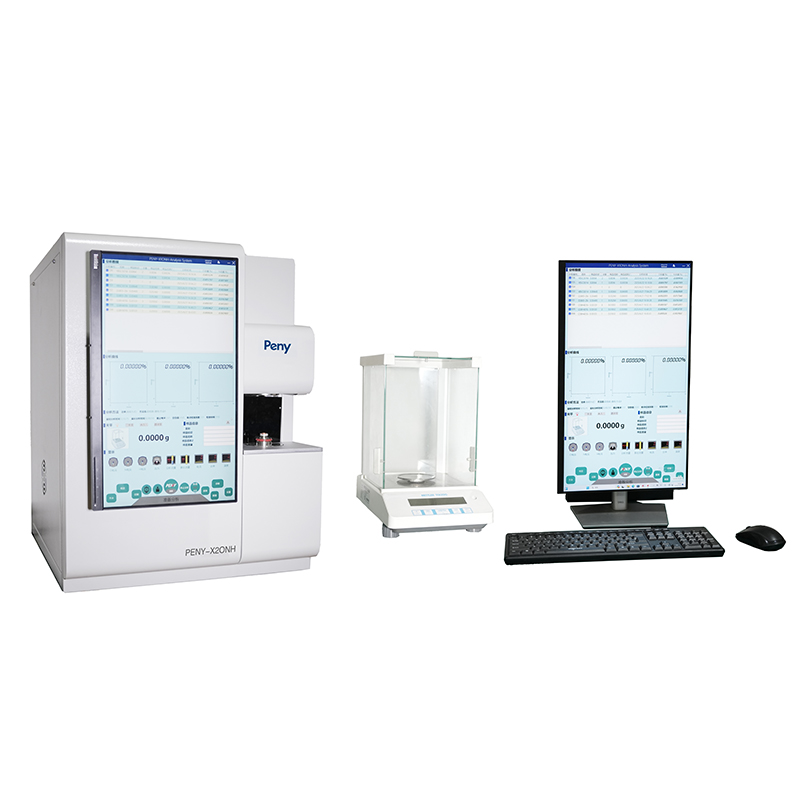
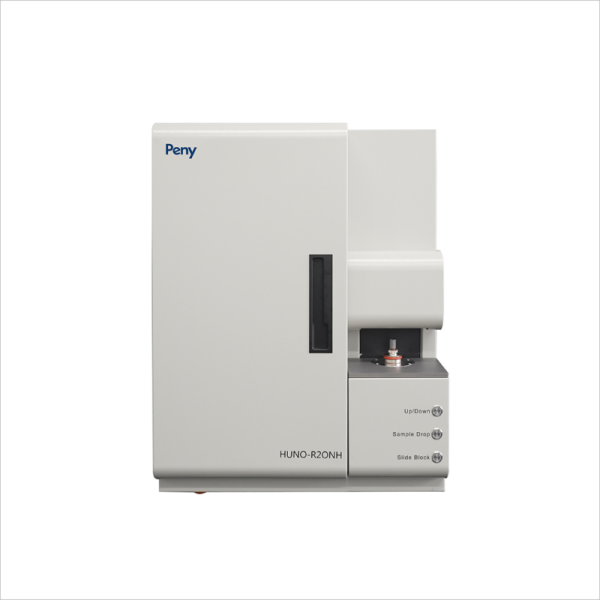
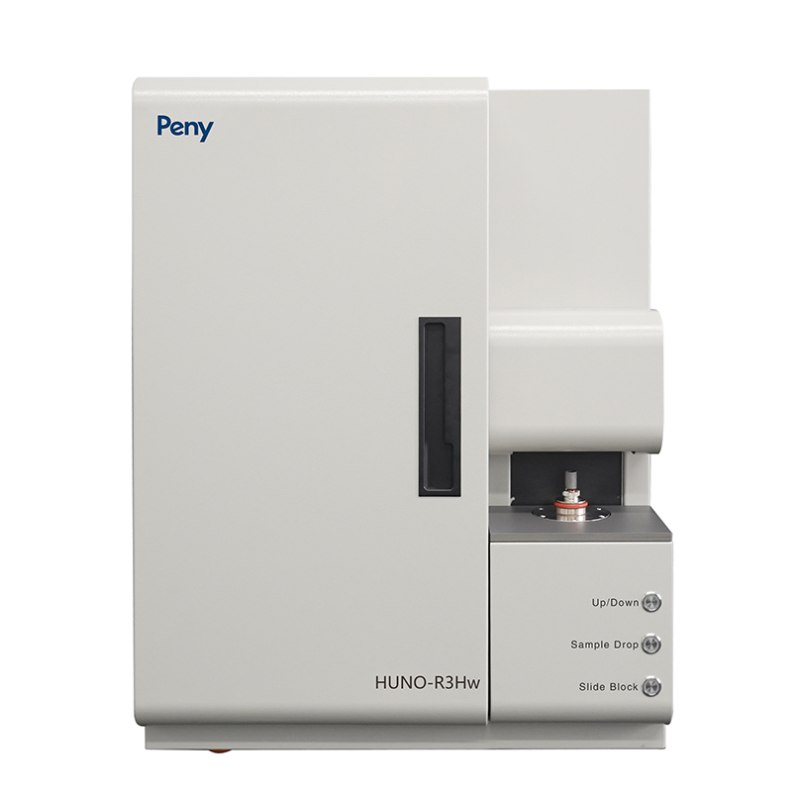
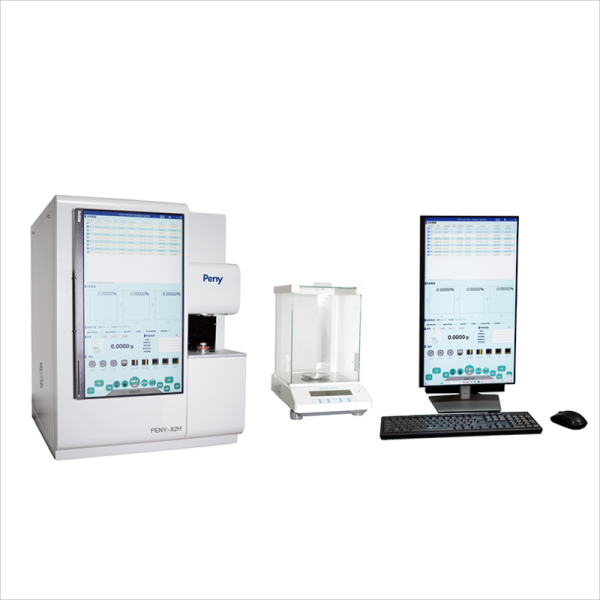
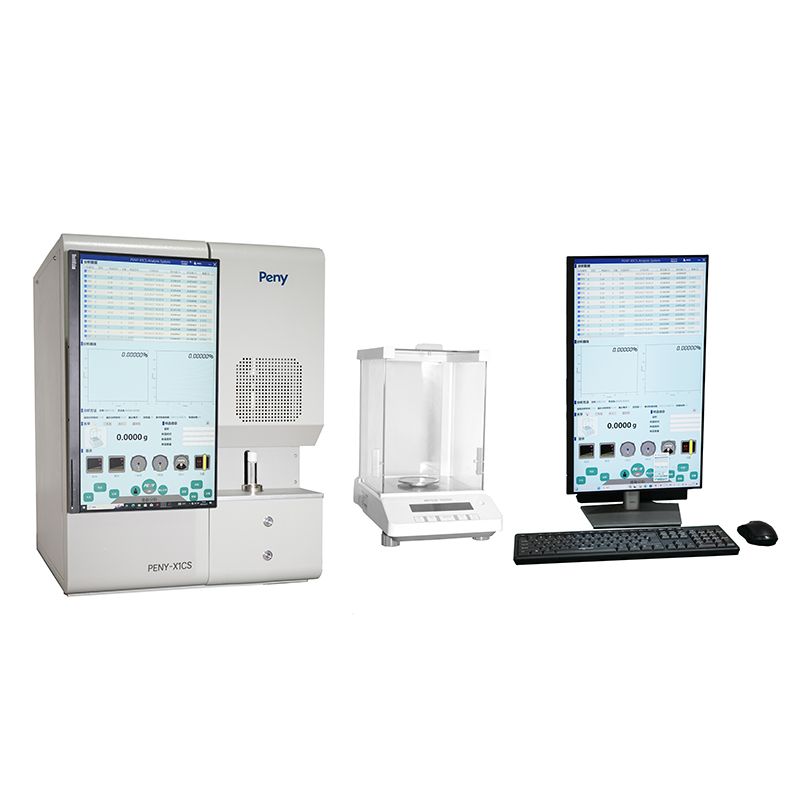
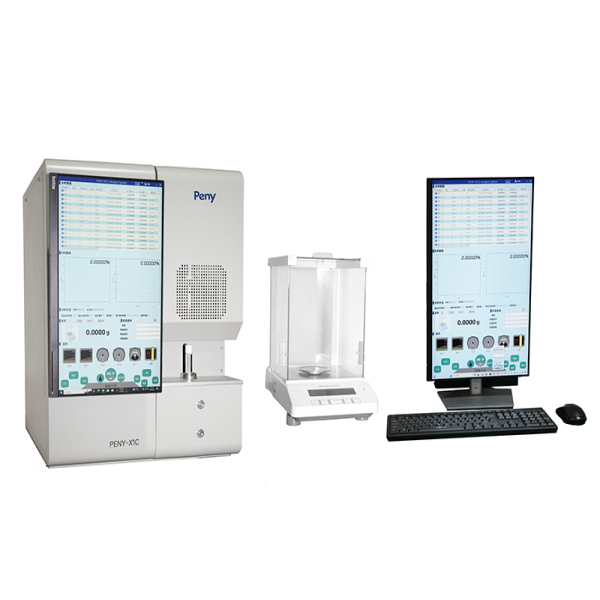
Have you ever watched your lab technicians spend hours recalibrating a spectrometer while production waits? Or struggled with inconsistent results that force costly retests? If so, you're not alone. The truth is, many modern direct reading spectrometers (DRS) are not living up to their potential. But there is a better way. In this article, we'll explore how the latest innovations from Peny Scientific Instruments (Nantong) Co., Ltd. can transform your metal analysis workflow, saving time, reducing errors, and boosting productivity.
The Hidden Bottleneck in Metal Analysis
In high-stakes industries like aerospace and automotive, every minute of downtime costs thousands of dollars. Yet, many labs still rely on spectrometers that require frequent manual calibration, complex maintenance, and specialized training. The result? Slower turnaround times, frustrated operators, and missed deadlines. Let's dive into the specific pain points and how they can be resolved.
Pain Point #1: Slow Calibration and Setup
Imagine this: A quality control lab in a German automotive plant receives a rush order for a new aluminum alloy. The technician loads the sample, but the spectrometer needs a 30-minute warm-up and calibration before the first measurement. Then, between every 10 samples, it requires a recalibration. Over an 8-hour shift, that's nearly 2 hours of non-productive time. The cost? Delayed production lines and overtime pay.
Pain Point #2: Complex Operation and Training
In a mid-sized foundry in the USA, the spectrometer is so complex that only one senior technician can operate it. When he's on vacation, the entire lab slows down. New hires require weeks of training, and even then, they make errors in sample preparation and data interpretation. The result: inconsistent quality and high scrap rates.
Pain Point #3: Inconsistent Results Across Shifts
A Japanese aerospace supplier struggles with variations in measurement results between day and night shifts. Despite using the same spectrometer, different operators get different readings due to subtle differences in sample handling and environmental conditions. This leads to rejected parts and customer complaints.
Solutions That Work
Now, let's see how the latest DRS technology addresses these issues.
Solution #1: Automated Calibration and Drift Correction
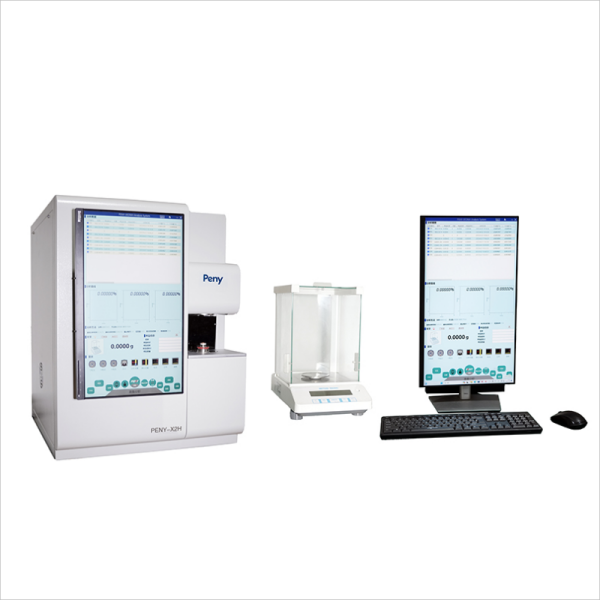
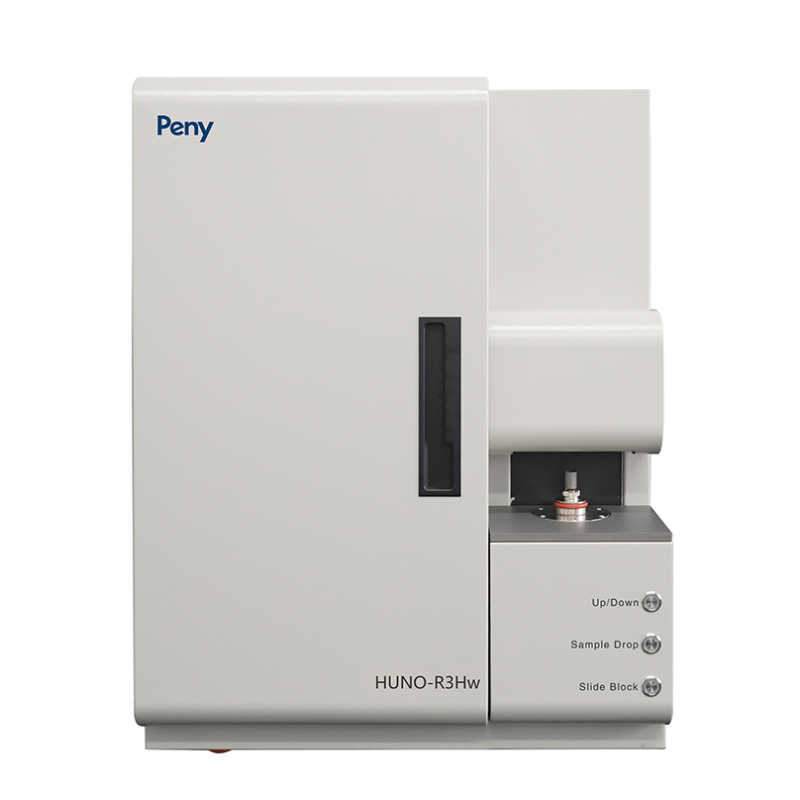
Modern spectrometers from Peny Scientific Instruments (Nantong) Co., Ltd. feature automatic calibration routines that reduce setup time to under 5 minutes. Built-in drift correction monitors system stability in real-time and adjusts automatically, eliminating the need for frequent manual recalibration. This means more time for actual analysis.
Solution #2: Intuitive Software and Remote Support
The user interface is designed for efficiency, with guided workflows and smart alerts. Operators can be trained in hours, not weeks. Plus, remote diagnostics allow experts at Peny Scientific Instruments (Nantong) Co., Ltd. to troubleshoot issues without on-site visits, reducing downtime.
Solution #3: Robust Hardware and Environmental Compensation
Advanced temperature compensation and vibration isolation ensure consistent results regardless of shift or environment. The spectrometer's optical system is sealed and purged with argon, minimizing contamination. This reliability is critical for high-precision applications.
Customer Success Stories
1. BMW Group, Munich, Germany – After switching to a Peny Scientific Instruments (Nantong) Co., Ltd. spectrometer, their lab reduced calibration time by 70% and increased sample throughput by 40%. Quality manager Klaus Weber said: "We cut our analysis time in half without sacrificing accuracy."
2. Alcoa, Pittsburgh, USA – They implemented two units for aluminum alloy analysis. Operator training dropped from 3 weeks to 2 days, and inter-operator variability decreased by 60%. Lab supervisor Sarah Johnson noted: "Now any technician can run accurate tests, even on night shifts."
3. Toyota, Nagoya, Japan – By using the spectrometer's drift correction, they eliminated recalibration between batches, saving 1.5 hours per shift. Chief engineer Hiroshi Tanaka reported: "Our scrap rate dropped by 25% because of consistent measurements."
4. Rolls-Royce, Derby, UK – For superalloy analysis, they needed high precision. The spectrometer's stability reduced measurement uncertainty by 30%. Lead metallurgist Amelia Frost said: "The environmental compensation is a game-changer for our high-temperature alloys."
5. Vale, Rio de Janeiro, Brazil – In a remote mining lab, they rely on the spectrometer's remote support feature. Maintenance calls decreased by 80%. Lab manager Carlos Silva commented: "We get expert help without waiting days for a technician."
Applications and Partnerships
These spectrometers are used in diverse applications: ferrous and non-ferrous metal production, aerospace component testing, automotive quality control, and recycling facilities. Peny Scientific Instruments (Nantong) Co., Ltd. has partnered with major procurement firms like Magna International and ThyssenKrupp, ensuring supply chain reliability and technical support.
Frequently Asked Questions
Q: How does the spectrometer handle high-throughput environments? A: With automated sample loading and fast analysis cycles (under 30 seconds per sample), it can process hundreds of samples per shift without degradation in accuracy.
Q: What is the maintenance schedule? A: The spectrometer requires only quarterly preventive maintenance, including cleaning the optics and replacing argon filters. Most tasks can be done by the operator with remote guidance.
Q: Can it analyze both ferrous and non-ferrous metals? A: Yes, the standard configuration covers all common alloy bases, including iron, aluminum, copper, nickel, and titanium. Custom calibration sets are available for specialized alloys.
Q: How does the software ensure data integrity? A: The software includes user access controls, audit trails, and secure data storage compliant with ISO 17025. Results are automatically saved and can be exported to LIMS.
Q: What is the typical ROI? A: Customers typically see a payback period of 6-12 months due to reduced labor costs, lower scrap rates, and increased throughput. For example, a mid-sized foundry can save $50,000 annually in reduced downtime.
Summary and Call to Action
Upgrading to a modern direct reading spectrometer from Peny Scientific Instruments (Nantong) Co., Ltd. can eliminate bottlenecks, improve consistency, and boost your bottom line. To learn more, download our technical white paper on optimizing metal analysis workflows, or contact our sales engineering team for a personalized consultation. Visit our website or call us today.
