
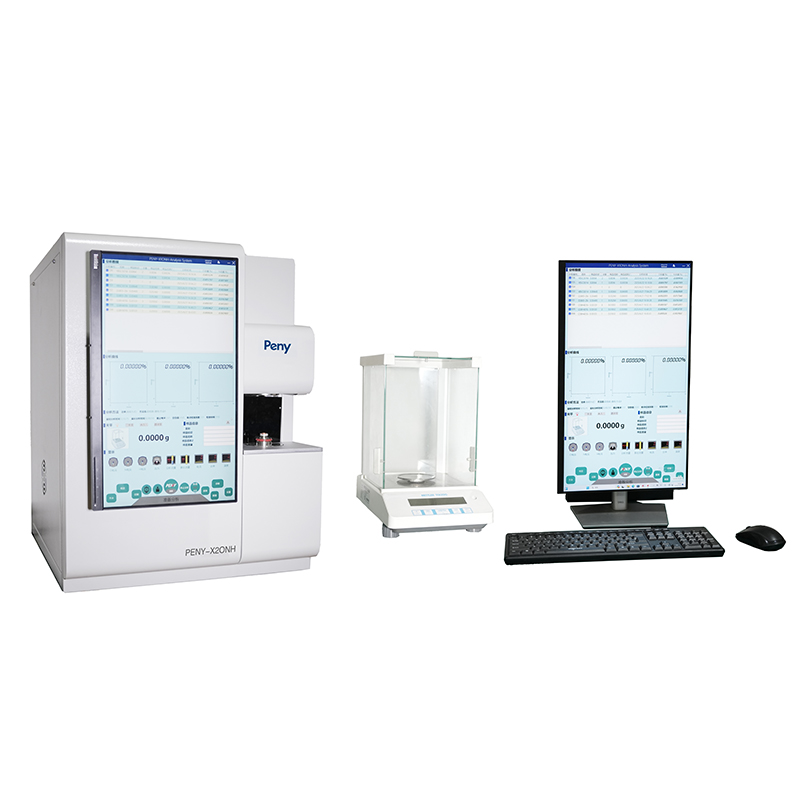
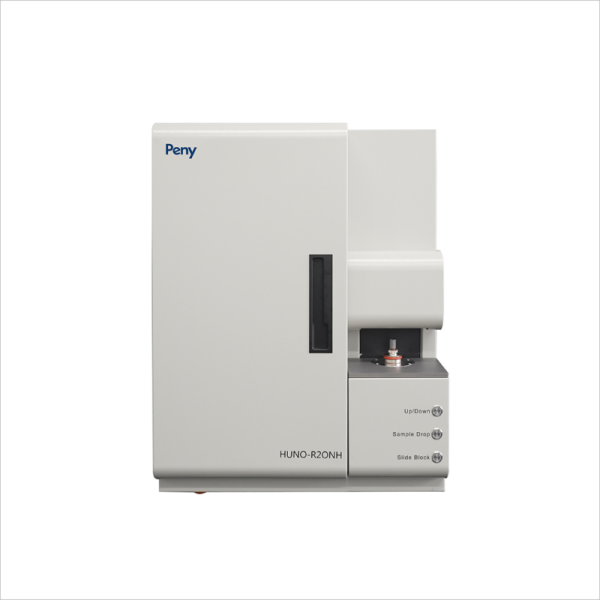
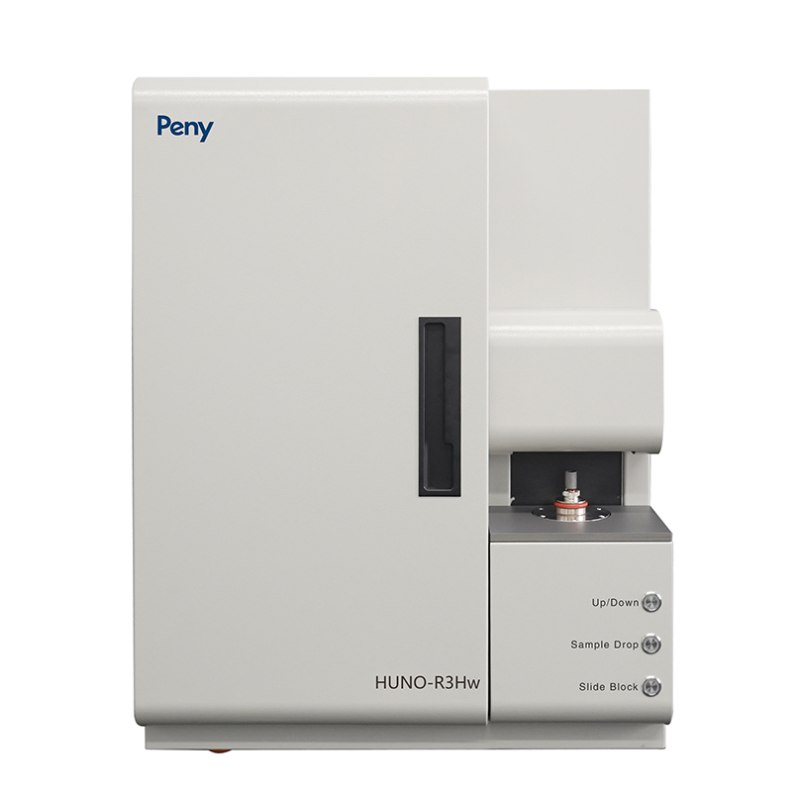
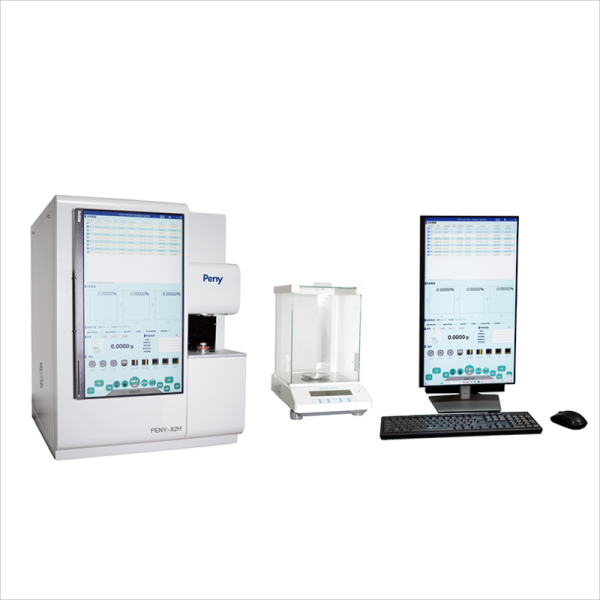
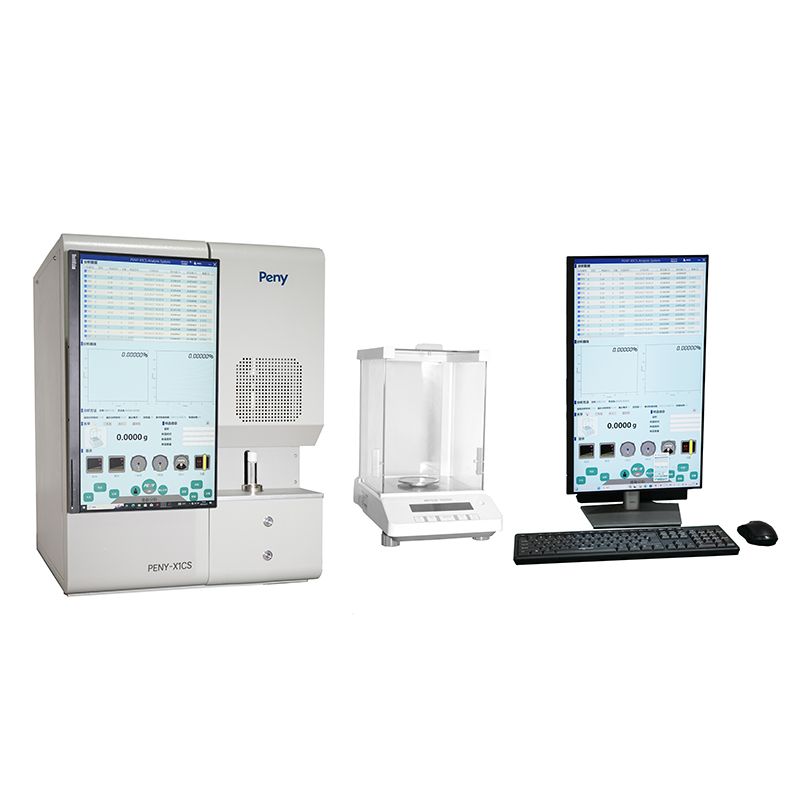
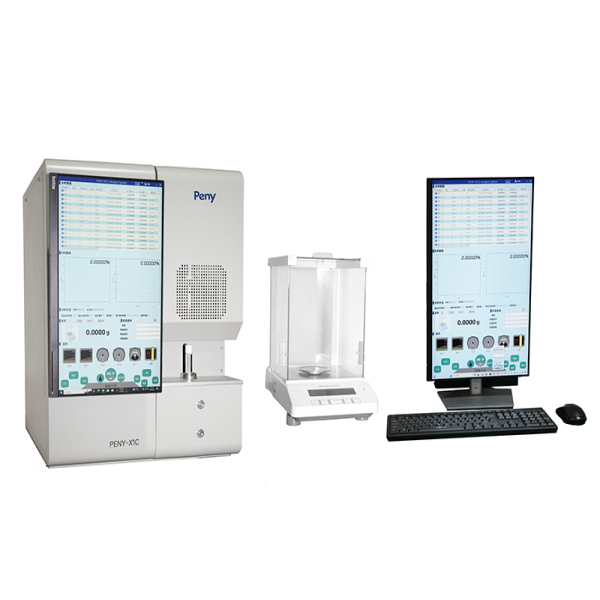
Aircraft maintenance enterprises require a large quantity of metal parts for the installation of aircraft body panels, onboard equipment, and accessories during aircraft maintenance. The metal raw materials used are generally carbon steel and alloy steel. However, excessive oxygen, nitrogen, and hydrogen content in steel parts and raw materials can have a serious impact on the performance of the parts, such as the hydrogen embrittlement problem that often occurs in steel parts, which affects their service life. Therefore, accurate measurement of the oxygen, nitrogen, and hydrogen content in metal materials such as carbon steel and alloy steel is crucial. With the rapid development of the modern aviation industry and the steel industry, the analysis of gas elements such as oxygen, nitrogen, and hydrogen in steel materials is increasingly being valued by aircraft maintenance enterprises. As a highly analytical and professional analysis technique, oxygen, nitrogen, and hydrogen analysis is commonly used by aircraft maintenance enterprises with the help of professional oxygen, nitrogen, and hydrogen analyzers to quickly and accurately measure the oxygen, nitrogen, and hydrogen content in metal materials such as carbon steel and alloy steel.
1. The hazards of oxygen, nitrogen, and hydrogen in carbon steel and alloy steel
Oxygen in steel exists in various forms of oxide inclusions, combining to form non-metallic inclusions, disrupting the continuity of the metal matrix, and thereby affecting the mechanical properties of the steel. The hazards of nitrogen can lead to reduced aging resistance of steel, weakened cold workability and plastic deformation capacity, embrittlement of the welding heat-affected zone, and compromised drawing performance of steel. The hazards of hydrogen are that hydrogen dissolved in steel aggregates into hydrogen molecules, causing embrittlement of the material's mechanical properties, leading to stress concentration, exceeding the strength limit of steel, and forming tiny cracks inside the steel, commonly referred to as "hydrogen embrittlement". It is evident that excessive oxygen, nitrogen, and hydrogen content have a serious impact on the performance of carbon steel and alloy steel metal parts, necessitating control measures. Therefore, it is essential to accurately measure the content of oxygen, nitrogen, and hydrogen in steel parts as well as carbon steel and alloy steel materials. For parts with excessive content, various heat treatment methods such as hydrogen removal by heating can be employed to restore the steel's properties, preventing steel parts with high oxygen, nitrogen, and hydrogen content and defects from being installed on aircraft, which could affect the quality of aircraft repairs and flight safety.
2 Test principle
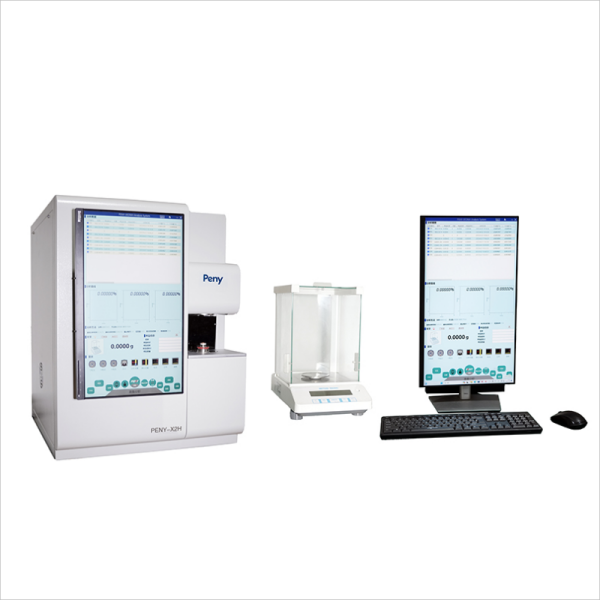
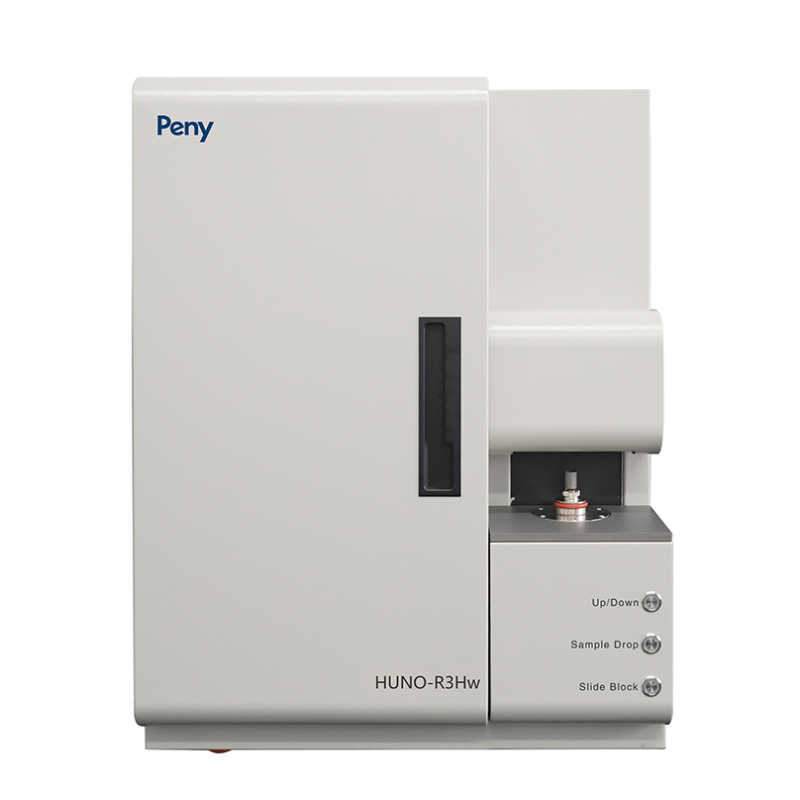
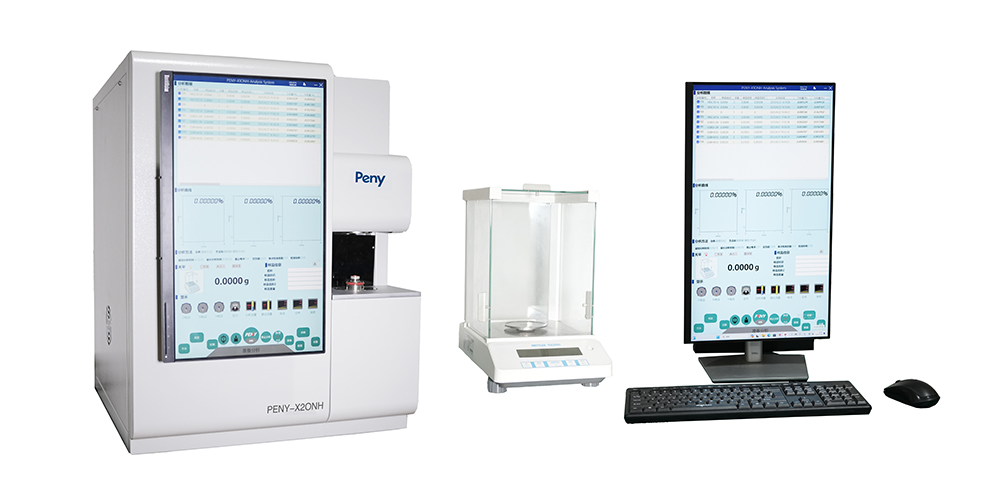
The testing instrument used by aviation maintenance enterprises for quantitatively analyzing the content of three gaseous elements, oxygen, nitrogen, and hydrogen, in steel, cast iron, and alloy materials is an oxygen-nitrogen-hydrogen analyzer (such as ONH-2000), which boasts high accuracy and measurement precision. The oxygen-nitrogen-hydrogen analyzer operates based on the principle of pulse heating fusion - inert gas protection reduction - thermal conductivity infrared detection. When a strong current passes through the graphite crucible between the upper and lower electrodes, the crucible temperature rapidly rises and heats up to a specified temperature. In an inert gas (helium, nitrogen) carrier environment, oxygen in the metal sample is converted into carbon monoxide or carbon dioxide and carried out by the helium carrier, which is then measured by an infrared tester. Nitrogen and hydrogen are released in molecular form and carried out by helium and nitrogen carriers, respectively, entering a thermal conductivity detector for quantitative analysis. There are two separate infrared detection cells for detecting low and high oxygen levels, as well as one thermal conductivity detection cell for detecting hydrogen and nitrogen components. The pulse furnace is cooled by circulating water, and the sample can be heated to a high temperature of over 2600°C in the crucible of the high-power pulse furnace. During the analysis process, it can automatically switch from low temperature to high temperature. Additionally, the analyzer requires compressed air as the power source for the pulse furnace to ascend and descend.
